Is it Better to Overwater or Underwater? Understanding the Risks and Benefits for Your Plants

Watering plants is an essential aspect of gardening, yet the approach can significantly impact their health. Many gardeners grapple with the question: is it better to overwater or underwater their plants? Each method comes with its own set of risks and benefits that can affect plant growth, vitality, and overall wellbeing. Understanding these nuances is crucial for any plant enthusiast looking to cultivate a thriving garden. This article delves into the potential outcomes of both practices, offering insights that will help you make informed decisions to ensure your plants flourish in the best possible conditions.
Is It Better to Overwater or Underwater?
Overwatering and underwatering are two common mistakes that many plant owners make, but understanding the consequences of each can help in making informed decisions for plant care. Overwatering can lead to issues such as root rot and fungal infections, as excess moisture saturates the soil, depriving roots of oxygen and creating an environment ripe for harmful pathogens. Conversely, underwatering can cause stress to plants, leading to wilting, stunted growth, and even death if they cannot access the necessary water for metabolic functions. The best practice typically leans towards avoiding both extremes by providing consistent moisture that allows the soil to dry out slightly between watering, thus promoting healthy root development and overall plant vitality.
Understanding the Risks of Overwatering
Overwatering occurs when plants receive more water than they can absorb, leading to waterlogged soil. This condition creates a breeding ground for pathogens that thrive in wet environments, which can result in root rot—a disease that damages the roots and prevents the plant from taking up vital nutrients. Signs of overwatering include yellowing leaves, wilting, and a foul smell emanating from the soil. Ensuring proper drainage and using the right soil mix can help prevent these issues, as keeping the soil consistently moist rather than soggy is crucial for plant health.
The Dangers of Underwatering
Underwatering, in contrast, deprives plants of the necessary moisture they need to support essential functions such as photosynthesis and nutrient uptake. This can lead to a series of distressing symptoms, including wilting, dryness, and browning leaf edges. If a plant is underwatered for prolonged periods, it may enter a state of shock, severely impacting its growth and overall wellbeing. To mitigate the risks associated with underwatering, regularly check the soil moisture levels and develop a watering schedule that meets the needs of the specific plants being cared for.
Signs of Overwatering vs. Underwatering
Distinguishing between the signs of overwatering and underwatering is essential for proper plant care. Overwatered plants often exhibit yellowing leaves, soft stems, and a mushy texture, whereas underwatered plants display symptoms such as drooping, crispy leaves, and overall stunted growth. A reliable method to check moisture levels is the finger test — inserting a finger into the soil to gauge its moisture content. If it feels damp several inches down, the plant is likely overwatered; if it feels dry, the plant may need water.
Best Practices for Watering Plants
To effectively balance water levels, adopting best practices for watering is key. It's advisable to water deeply but infrequently, allowing the top layer of soil to dry out between watering sessions. This promotes deep root growth and makes plants more resilient to periods of drought. Moreover, watering early in the morning or late in the afternoon helps reduce evaporation rates and ensures plants absorb moisture more effectively. Utilizing pots with drainage holes and selecting a well-aerated soil mix can also aid in preventing both overwatering and underwatering.
The Impact of Soil Type and Environment
Soil type and environmental conditions play a significant role in determining a plant's water needs. Different soils have varying capacities for retaining moisture, which affects how often and how much water should be applied. For instance, sandy soils drain quickly and may require more frequent watering, while clay soils retain water longer and may need less frequent watering. Additionally, environmental factors such as temperature, humidity, and sunlight exposure can impact plant water needs, emphasizing the importance of tailoring watering practices to specific conditions to maintain optimal health.
| Issue | Symptoms | Solutions |
|---|---|---|
| Overwatering | Yellow leaves, root rot, mushy stems | Improve drainage, reduce watering frequency |
| Underwatering | Wilting, dry leaves, stunted growth | Increase watering frequency, check soil moisture regularly |
Is it better to underwater than over water?

Underwatering and overwatering are critical concepts in gardening, agriculture, and landscaping. Understanding which method is better depends on various factors, including the type of plants, the environment, and the specific growth stage of the plants.
Typically, it is considered better to underwater than overwater for several reasons:
1. Root Health: Overwatering can suffocate plant roots, leading to root rot and other fungal diseases. In contrast, underwatering encourages roots to grow deeper in search of moisture, enhancing their overall strength and resilience.
2. Nutrient Availability: Waterlogged soil can lead to nutrient leaching. With underwatering, nutrients remain available in the soil longer as the plant absorbs moisture and essential minerals efficiently.
See also:
3. Plant Stress Response: Mild underwatering can stimulate a plant's stress response, which often leads to increased root growth and better adaptation to drought conditions. Plants that experience slight stress tend to be more robust in the long term.
4. Pest and Disease Resistance: Overwatered plants are more susceptible to diseases and pests due to the moist environment. Underwatered plants may be healthier and less likely to suffer from common garden pathogens.
5. Water Conservation: Underwatering aligns with sustainable practices by reducing water waste and encouraging gardeners to implement effective irrigation strategies.
Root Health
Maintaining healthy roots is essential for plant growth and sustainability. Overwatering significantly compromises root health due to oxygen deprivation. Healthy roots are responsible for nutrient uptake, and when they are deprived of air, they decay.
- Healthy aeration: Roots thrive when they access oxygen.
- Root rot: A consequence of stagnant water and poor soil aeration.
- Deeper growth: Encouraging roots to stretch for moisture fosters strength.
Nutrient Availability
The nutrients in the soil play a crucial role in plant health. Overwatering can cause essential nutrients to leach out, leading to deficiencies. On the other hand, underwatering allows nutrients to stay in the soil longer.
- Reduced leaching: Less water means less nutrient loss.
- Concentration of nutrients: Sometimes, less frequent watering leads to more nutrient-dense soil.
- Balanced soil dynamics: Healthy moisture levels promote optimal nutrient cycling.
Plant Stress Response
Plant stress can be beneficial when it stimulates growth. Underwatering creates a mild stress condition that encourages plants to develop deeper roots to search for nourishment and hydration.
- Enhanced resilience: Adapted plants survive extreme weather conditions better.
- Increased root development: Roots extend to find moisture, increasing their spread.
- Hormonal balance: Stress hormones may trigger growth responses advantageous to plant health.
Pest and Disease Resistance
The moisture level of the soil significantly impacts plant health. Overwatering creates a perfect environment for pests and fungal diseases. In contrast, underwatering can enhance a plant's natural defenses.
- Fewer pests: Drier conditions discourage pests like aphids and root maggots.
- Reduced fungal growth: Overwatered conditions are ideal for fungi, while underwatering prevents this.
- Healthier plants: Stronger plants are typically less prone to attack from harmful organisms.
Water Conservation
Practicing underwatering techniques can lead to better water conservation practices. This is increasingly important in regions affected by drought and water shortages.
- Efficient irrigation: Encouraging practices that reduce waste.
- Climate considerations: Adapting watering schedules to local climate conditions to conserve water.
- Sustainable practices: Emphasizing the importance of responsible water use in gardening and agriculture.
Is it better to overwater or underwater lawn?
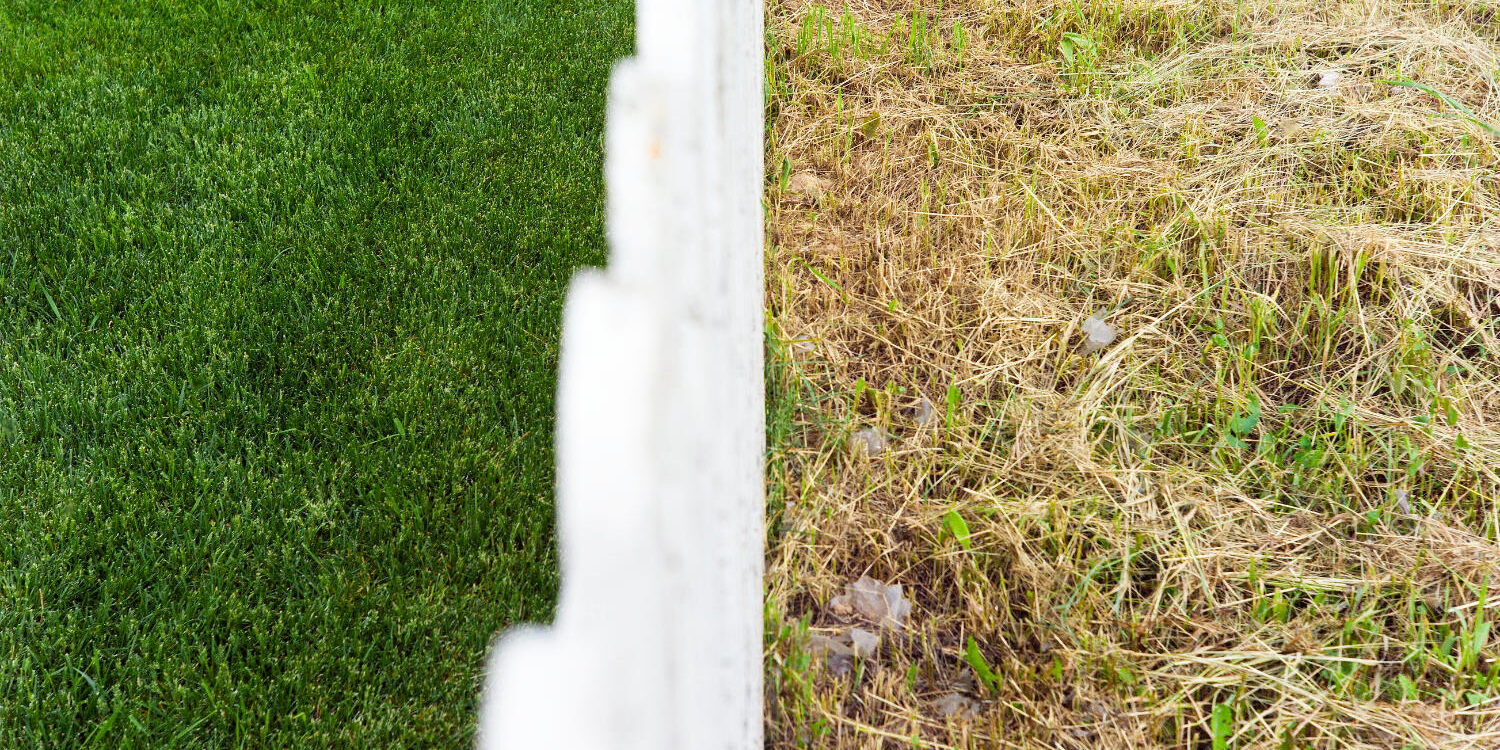
Overwatering and underwatering are crucial considerations in lawn care, and understanding the potential impacts of each can help homeowners maintain a healthy lawn. Generally, it is better to avoid both extremes, but it is essential to recognize the symptoms and consequences of overwatering versus underwatering.
Understanding Overwatering
Overwatering occurs when the lawn receives more water than it can absorb. This can lead to several problems:
- Root Rot: Excess moisture can suffocate the roots, leading to rot and fungal infections.
- Waterlogged Soil: The soil can become compacted and lose its ability to hold air, which is crucial for healthy root development.
- Pest Infestations: Overly moist conditions can attract pests such as mosquitoes and encourage weed growth, which can harm the lawn.
Symptoms of Overwatered Grass
Identifying whether your lawn is overwatered is vital for its recovery:
See also:
- Yellowing Grass: Grass blades can turn yellow or a dull green, indicating stress.
- Soft, Spongy Soil: The ground feels overly wet and squishy underfoot.
- Fungal Growth: You may notice mushrooms or mold growing on the lawn surface.
Understanding Underwatering
Underwatering occurs when a lawn does not receive enough moisture. This can also lead to serious consequences:
- Drought Stress: Grass may become brown and crispy, displaying signs of stress from lack of water.
- Shallow Root Systems: Grass roots may not grow deeply enough to access nutrients and moisture found deeper in the soil.
- Increased Weeds: An underwatered lawn can become more susceptible to weed invasion, as healthy grass is less able to compete.
Symptoms of Underwatered Grass
Recognizing the symptoms of underwatering can help prevent further damage:
- Wilting Blades: Grass blades will droop or wither, indicating a lack of moisture.
- Brown Patches: You might see patches of grass that are completely brown and lifeless.
- Footprints Remain: If footprints remain visible after walking on the lawn, it’s likely underwatered.
Best Practices for Watering
To maintain a healthy lawn, it's essential to follow best watering practices:
- Water Deeply: Aim to water deeply and infrequently to encourage deep root growth.
- Monitor Soil Moisture: Use soil moisture sensors or a simple finger test to determine when to water.
- Adjust Based on Weather: Adapt your watering schedule according to rainfall and seasonal changes.
Is it better to overwater or underwater seeds?
Overwatering and underwatering seeds are two common pitfalls that gardeners face when starting their plants. It is important to understand the consequences of both practices to achieve optimal growth. Generally, underwatering is not as detrimental as overwatering, which can lead to root rot, nutrient deficiency, and even plant death. While seeds require moisture to germinate, excess water can suffocate them, whereas too little can delay or prevent germination.
Understanding Seed Germination
Seed germination is the process where seeds sprout and develop into young plants. This process requires the right amount of moisture, warmth, and oxygen.
- Moisture: Seeds need moisture to activate the enzymes that initiate germination.
- Temperature: The right temperature helps to speed up the germination process.
- Oxygen: Excess water can fill up the spaces in the soil, limiting the oxygen available for the seed.
Effects of Overwatering on Seeds
Overwatering can cause several negative effects on seeds and seedlings, making it one of the most detrimental mistakes a gardener can make.
- Root Rot: Excess moisture leads to fungal growth, which can destroy the roots.
- Nutrient Deficiency: Overwatered soil can leach nutrients away, leaving seeds unable to access the necessary elements for growth.
- Oxygen Deprivation: Too much water can prevent air from reaching the roots, leading to poor root development.
Consequences of Underwatering Seeds
Underwatering can also impact seed germination and growth, but its effects are often less severe compared to overwatering.
- Delayed Germination: Seeds may take longer to sprout if the soil lacks moisture.
- Weak Seedlings: Underwatered seedlings may become weak and fragile due to insufficient water.
- Seed Dormancy: Insufficient moisture can prevent seeds from breaking dormancy, halting growth entirely.
Signs of Overwatering vs. Underwatering
Recognizing the signs of overwatering and underwatering can help gardeners promptly address their watering practices.
- Overwatering Signs: Yellowing leaves, moldy soil surface, and wilting despite wet soil.
- Underwatering Signs: Browning leaf tips, soil pulling away from the pot, and dry soil surface.
- Common Mistakes: Not checking soil moisture before watering or using drainage-impaired pots.
Best Practices for Watering Seeds
Establishing effective watering practices can lead to successful seed germination and plant growth.
- Soil Moisture Check: Always check the moisture level by touching the soil or using a moisture meter.
- Use Proper Containers: Make sure pots and seed trays have adequate drainage holes to prevent standing water.
- Watering Schedule: Establish a consistent schedule based on the specific needs of the seeds being planted.
Questions from Our Readers
Is it better to overwater or underwater plants?
Overwatering is generally worse than underwatering because it can lead to root rot and other serious issues like fungal diseases. When plants sit in waterlogged soil, their roots cannot access the necessary oxygen, which can ultimately kill the plant. In contrast, while underwatering can stress a plant, it is often easier to recover from temporary drought conditions than from the consequences of overwatering.
How can I tell if my plant is overwatered?
Signs of overwatering include yellowing leaves, wilting despite wet soil, and a mushy texture to the stems. Additionally, if you notice a foul smell from the soil or mold on the surface, these are clear indicators that your plant is suffering from excess moisture. It's essential to allow the soil to dry out before watering again to avoid further damage.
See also:
What are the signs of underwatering in plants?
Underwatered plants often display signs such as drooping leaves, dry or crispy leaf edges, and a stunted growth appearance. The soil may also feel very dry and hard when you touch it. While these symptoms can be alarming, most plants can bounce back quickly with proper hydration if addressed in time.
How often should I water my plants to avoid overwatering?
The frequency of watering depends on the plant type, season, and environmental conditions, but a good rule of thumb is to check the top inch of soil; if it feels dry, it's time to water. It's important to monitor your plants regularly, as factors like temperature and humidity will affect how quickly the soil dries out, helping you strike a balance between overwatering and underwatering.
https://youtube.com/watch?v=MTKhBCHrHGE
If you want to read more articles like Is it Better to Overwater or Underwater? Understanding the Risks and Benefits for Your Plants, we recommend you check out our Plants category.
Leave a Reply
Related Articles