How Long Do Saskatoons Last After Picking? Ultimate Guide to Freshness and Storage
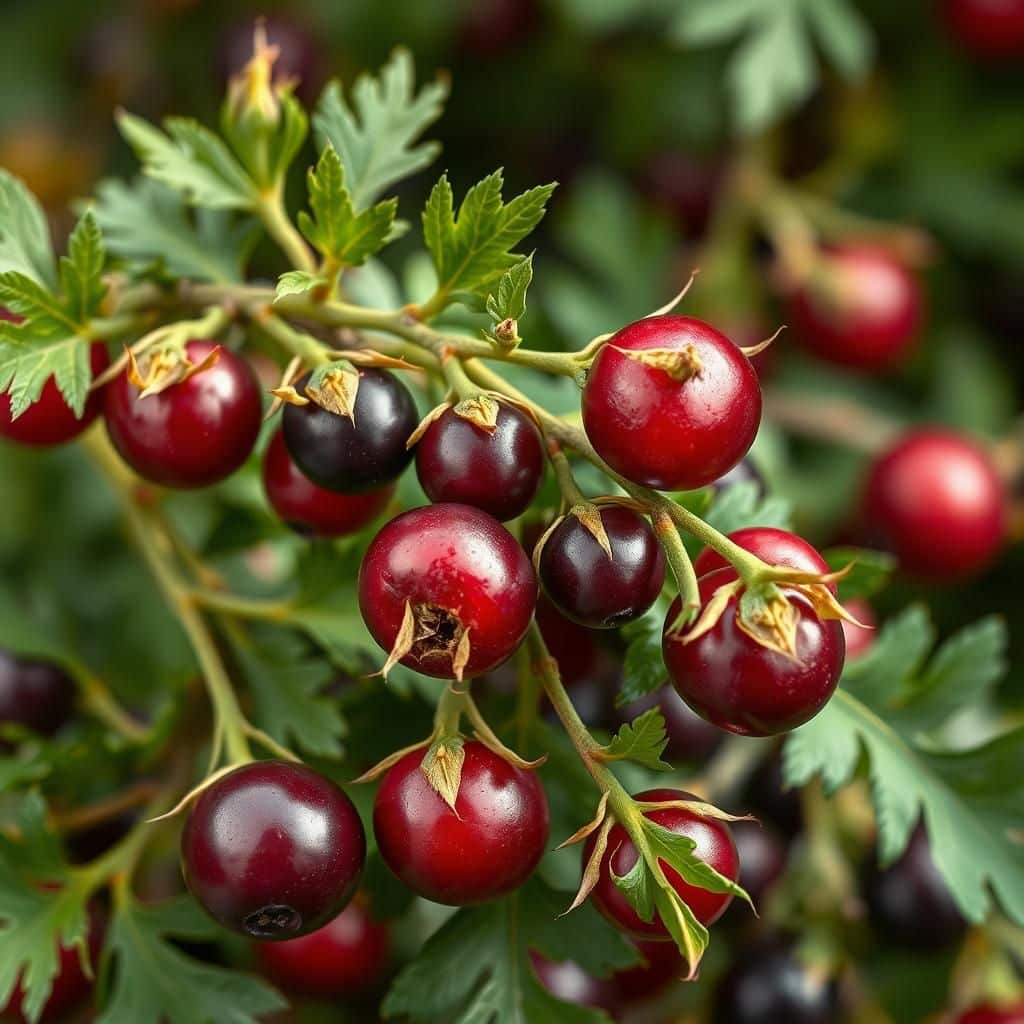
Saskatoons, often celebrated for their sweet flavor and nutritional benefits, are a popular fruit harvested during the summer months. However, many people wonder how long these delightful berries remain fresh after picking. In this ultimate guide, we will explore the factors influencing the freshness of Saskatoons, offering insights into proper storage techniques to extend their shelf life. Whether you're a forager, a gardener, or simply a fruit enthusiast, understanding the longevity of Saskatoons will help you enjoy their delicious taste for longer periods. Join us as we delve into tips and tricks to keep your Saskatoons fresh and flavorful.
How Long Do Saskatoons Last After Picking?
Saskatoons generally last about 1 to 2 weeks after picking when stored properly in the refrigerator. Their shelf life can vary depending on factors such as ripeness at the time of harvest and storage conditions. To maximize their freshness, it is essential to keep them in a cool, dry place and avoid washing them until you're ready to use them, as moisture can lead to mold development and spoilage.
Optimal Storage Conditions
To ensure that saskatoons last as long as possible after picking, it's crucial to store them at optimal temperatures. The best practice is to keep them in the refrigerator at a temperature ranging between 32°F and 36°F (0°C to 2°C). Make sure they are placed in a breathable container to allow for air circulation, which helps to prevent spoilage.
Signs of Spoilage
Saskatoons can quickly show signs of spoilage if not stored properly. Look for softness, mold, or an off smell, which indicates that the berries are no longer fresh. If you notice any berries that are overly mushy or spoiled, it's best to remove them immediately to prevent the spoilage from spreading to other berries.
Freezing Saskatoons
If you want to store saskatoons for an extended period, consider freezing them. When properly frozen, they can last up to a year. To freeze saskatoons, wash and dry them thoroughly, then spread them out in a single layer on a baking sheet before transferring them to an airtight container or freezer bag. This method prevents them from sticking together, allowing for easy portioning later.
Usage of Saskatoons After Picking
Once picked, saskatoons can be consumed fresh or used in various culinary applications. They maintain their flavor and nutrients for about one week when kept refrigerated. After this period, there are still options to use them, such as making jams, pies, or smoothies, ensuring that you make the most out of your harvest before they spoil.
Comparison Table of Storage Methods
| Storage Method | Duration | Notes |
|---|---|---|
| Refrigeration | 1-2 weeks | Store in a breathable container |
| Freezing | Up to 1 year | Ensure thorough washing and drying |
| Room Temperature | 1-3 days | Not recommended for long-term storage |
Best Practices for Storing Saskatoons After Harvest
Properly storing saskatoons after picking is crucial to maintaining their freshness and flavor. To extend their shelf life, it is essential to refrigerate them as soon as possible. Place the berries in a shallow container to avoid crushing and retain their natural moisture. Ideally, saskatoons should be consumed within a week, but they can last longer if frozen correctly. When preparing to freeze, wash and dry the berries thoroughly, and consider spreading them on a baking sheet before transferring them to airtight bags for longer preservation. This method helps to prevent clumping, allowing you to take out only what you need later on.
Understanding the Shelf Life of Fresh Saskatoons
The shelf life of fresh saskatoons can vary based on several factors, including temperature and humidity levels. Under optimal refrigeration conditions, they can last anywhere from 5 to 14 days. However, in warmer climates or if left out at room temperature, their quality significantly declines, resulting in quicker spoilage. Being aware of these variables is key to keeping your saskatoons as fresh as possible.
Signs of Spoilage in Saskatoons
Identifying the signs of spoilage in saskatoons is essential for ensuring quality consumption. Overripe berries may appear soft, damaged, or develop mold. A noticeable off-smell is also an indicator that the berries have started to spoil. Regularly inspecting your stored saskatoons allows for quick removal of compromised fruits, helping to prolong the life of the remaining berries.
How to Freeze Saskatoons Effectively
Freezing is one of the best ways to prolong the shelf life of saskatoons while preserving their texture and nutritional benefits. To freeze saskatoons effectively, begin by rinsing them with cool water to remove any dirt or debris. Next, dry the berries gently with a clean cloth or paper towel to prevent freezer burn. Spread the berries in a single layer on a baking sheet to quick freeze, then transfer them to freezer-safe bags or containers. This method allows for easy portioning and maintains the quality of the fruit.
Storage Containers: Which is Best for Saskatoons?
Choosing the right storage containers for saskatoons is vital in maintaining their freshness. The best options include airtight containers or resealable plastic bags that can prevent exposure to air and moisture. Avoid using containers that allow air flow, as this can lead to faster spoilage. Additionally, using containers that provide some level of ventilation can help absorb excess moisture, further protecting your berries during storage.
Tips for Enjoying Fresh Saskatoons
Incorporating fresh saskatoons into your diet can be both delicious and beneficial. These berries can be eaten raw or added to various dishes, such as smoothies, yogurt, and baked goods. Enjoying them while they are fresh ensures you benefit from their flavor and nutritional value. For those who prefer a longer storage method, consider making jams or syrups, which not only enhance the shelf life of saskatoons but also create delightful culinary options.
Questions from Our Readers
How long do saskatoons last after picking?
Saskatoons can last for about 3 to 5 days at room temperature if kept in a cool, dry place. However, their shelf life is significantly extended when they are stored in the refrigerator, where they can stay fresh for up to two weeks.
Can saskatoons be frozen for later use?
Yes, you can freeze saskatoons to preserve them for a longer period. When properly packed in airtight containers or freezer bags, they can last for up to a year in the freezer while maintaining their flavor and nutritional value.
What is the best way to store saskatoons after picking?
The best way to store saskatoons is by placing them in a breathable container and refrigerating them as soon as possible after picking. Avoid washing them until you are ready to eat or use them, as moisture can accelerate spoilage.
How can you tell if saskatoons have gone bad?
You can tell if saskatoons have gone bad by looking for signs of mold, mushiness, or an off smell. If the berries are shriveled or have developed dark spots, it is best to discard them to avoid any health risks.

If you want to read more articles like How Long Do Saskatoons Last After Picking? Ultimate Guide to Freshness and Storage, we recommend you check out our Berries category.
Leave a Reply
Related Articles