Do you deadhead irises? A Complete Guide to Pruning for Healthier Blooms
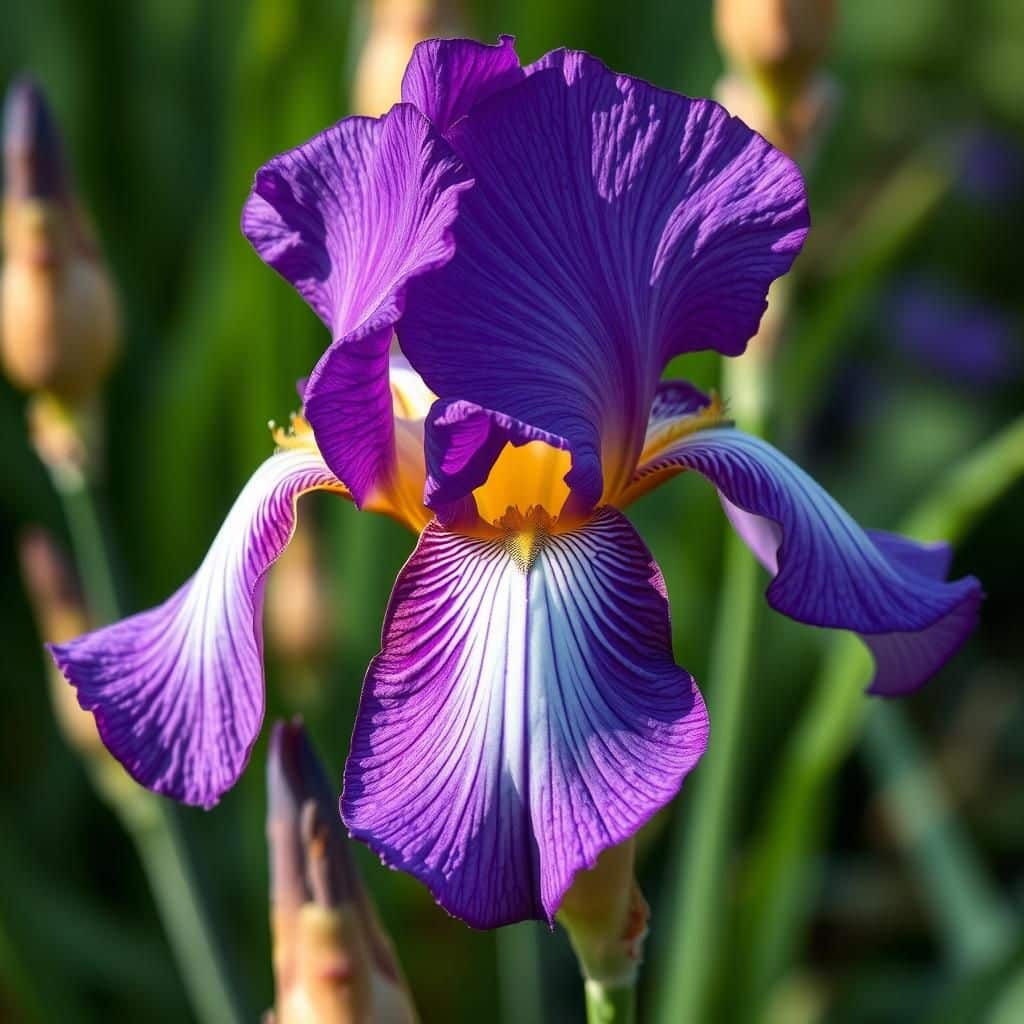
Deadheading irises is an essential practice for gardeners looking to promote healthier blooms and enhance the overall appearance of their garden. This technique involves removing spent flowers and faded foliage to encourage new growth and prolong the flowering season. While some may wonder if deadheading is necessary, the process not only revitalizes the plant but also prevents disease and encourages robust development. In this complete guide, we will explore the benefits of deadheading irises, the best techniques to employ, and tips for maintaining these stunning perennials throughout their growing season. Discover how to keep your irises thriving and blooming beautifully.
Do You Deadhead Irises?
Deadheading irises is a beneficial practice that involves removing the spent flowers after they bloom. This process helps to redirect the plant's energy from producing seeds to developing more robust foliage and even increasing the potential for a more abundant display of flowers in the following seasons. While irises are typically low-maintenance plants, deadheading can promote better growth and overall health by preventing diseases and encouraging a tidier appearance in the garden. It is advisable to perform this task promptly after the flowers have faded to enhance the plant's vigor and aesthetic appeal.
What is Deadheading?
Deadheading refers to the removal of wilted or spent flowers from plants. This horticultural practice serves multiple purposes, including improving the visual appeal of the garden, preventing the plant from spending energy on seed production, and encouraging further blooming. For irises, deadheading can significantly impact the plant's growth and flowering performance, ensuring that it focuses its nutrients on developing new blooms rather than maintaining old, dying flower stalks.
When to Deadhead Irises?
It is best to deadhead irises shortly after the flowers have faded. This stage usually occurs a few days to a week after the blooms have completed their cycle. Waiting too long can lead to the formation of seed pods, which can detract from the plant's appearance and divert energy away from root and foliage development. Regularly checking for dead or fading flowers will ensure that the plant remains healthy and primed for future blooms, maintaining an aesthetically pleasing garden throughout the blooming season.
Tools Required for Deadheading Irises
To effectively deadhead irises, you will need a few simple tools to ensure the process is efficient and successful. A pair of sharp garden shears or pruning scissors will allow you to make clean cuts without damaging the plant. It is also helpful to wear gardening gloves to protect your hands from any sharp foliage or potential irritants. Having a container or bag on hand to collect the removed flowers can streamline the process, keeping your garden tidy and free from debris that can harbor pests or diseases.
See also:
Benefits of Deadheading Irises
Deadheading irises has several notable benefits that contribute to the plant's health and longevity. One of the primary advantages is the enhancement of air circulation and light penetration within the plant, reducing the risk of fungal diseases. Additionally, deadheading encourages more vigorous foliage growth and often increases the likelihood of a more robust flower display during the next blooming cycle. Furthermore, it maintains the overall appearance of the garden, making it visually pleasing by keeping the plant tidy and free of spent blooms.
Does Deadheading Affect Future Blooms?
Yes, deadheading can significantly affect future blooms of irises. By removing spent flowers, you prevent the plant from expending energy on seed production, thus redirecting that energy towards root and leaf development. As a result, you may notice more vibrant and plentiful flowers in subsequent seasons. This practice not only boosts the plant's health but also enhances the overall aesthetic of your garden, promoting ongoing vitality and flowering performance from your irises.
| Action | Purpose | Benefit |
|---|---|---|
| Deadheading | Removing spent flowers | Promotes vigorous growth |
| Timing | After flowers fade | Prevents seed development |
| Tools | Garden shears, gloves | Ensures clean cuts |
| Benefits | Improves circulation | Reduces disease risk |
| Future blooms | Encourages flower production | Enhances garden aesthetics |
Understanding the Benefits of Deadheading Irises
Deadheading irises is an essential practice that not only enhances the aesthetic appeal of your garden but also promotes healthier growth and blooming. By removing spent flowers, you prevent the plant from expending energy on seed production, allowing it to focus instead on developing more vibrant blooms and strengthening its overall health. Furthermore, deadheading can help reduce the risk of disease, as decaying flowers can attract pests and fungal issues. Ultimately, this straightforward yet effective routine is key to ensuring that your irises flourish season after season.
What is Deadheading and Why is it Important?
Deadheading refers to the practice of removing faded or spent flowers from a plant. This technique is crucial for irises as it not only maintains the visual appeal of the plant but also encourages new blooms to emerge. By eliminating flowers that have already bloomed, you allow the plant to redirect its energy into producing stronger and more abundant flowers, enhancing the overall health and vitality of your iris collection.
When to Deadhead Irises
The ideal time to deadhead irises is immediately after the flowers have faded. This timing is critical as it ensures that the plant does not waste resources on seed production. Regularly inspecting your irises during their blooming period will help you promptly remove any wasted blooms. If you notice wilted flowers, use clean garden scissors or shears to cut them at the base of the stem, promoting new growth for the next blooming cycle.
See also:
Tools Needed for Deadheading Irises
To effectively deadhead irises, you will need a few simple tools. The most important is a pair of sharp, clean garden shears or scissors. Keeping your tools sanitized helps prevent the spread of disease among your plants. Additionally, using gloves can protect your hands while working with sharp instruments and can also prevent the transfer of any diseases from your hands to the plant. With the right tools in hand, deadheading becomes a quick and efficient task.
How to Properly Deadhead Irises
Proper deadheading of irises involves more than just snipping off spent flowers. Start by locating the flower that has faded, and trace down the stem to find the base where it meets the foliage. Using your garden shears, cut the stem cleanly at this junction, ensuring you do not damage any surrounding leaves. This method not only tidies up your plant but also encourages air circulation and prevents pests and diseases from taking hold.
Aftercare Post-Deadheading Irises
After deadheading your irises, it's essential to provide proper care to support their continued health. Ensure that the plants receive adequate water and nutrients, particularly if they are entering a blooming cycle. You might consider applying a balanced fertilizer to nourish the plants and encourage further blooming. Additionally, monitor the overall condition of your irises, looking for any signs of pests or diseases that could hinder their growth and flowering capabilities.
Questions from Our Readers
Do you deadhead irises?
Yes, deadheading irises is recommended as it encourages the plant to focus its energy on growing new blooms rather than producing seeds. By removing the spent flowers, you can also help prevent disease and promote a tidier appearance in your garden.
When is the best time to deadhead irises?
The best time to deadhead irises is right after the flowers have faded. This process allows the plant to redirect its nutrients effectively, and it is advisable to do it regularly during the blooming period to enhance overall plant health.
See also:
How do you properly deadhead irises?
To properly deadhead irises, wait until the flowers have completely wilted and then cut the flower stalk back to the base of the plant. Be sure to use sharp, clean tools to avoid any damage to the plant and to reduce the risk of infection.
Do deadheading irises affect their growth?
Yes, deadheading can positively affect the growth of irises. By removing spent blooms, the plant can concentrate on producing new foliage and flowers for the next season, leading to a healthier, more vigorous plant overall.

If you want to read more articles like Do you deadhead irises? A Complete Guide to Pruning for Healthier Blooms, we recommend you check out our Pruning category.
Leave a Reply