Do Yellow Leaves on Plants Mean Too Much Water? Discover the Truth Behind Your Plant's Health
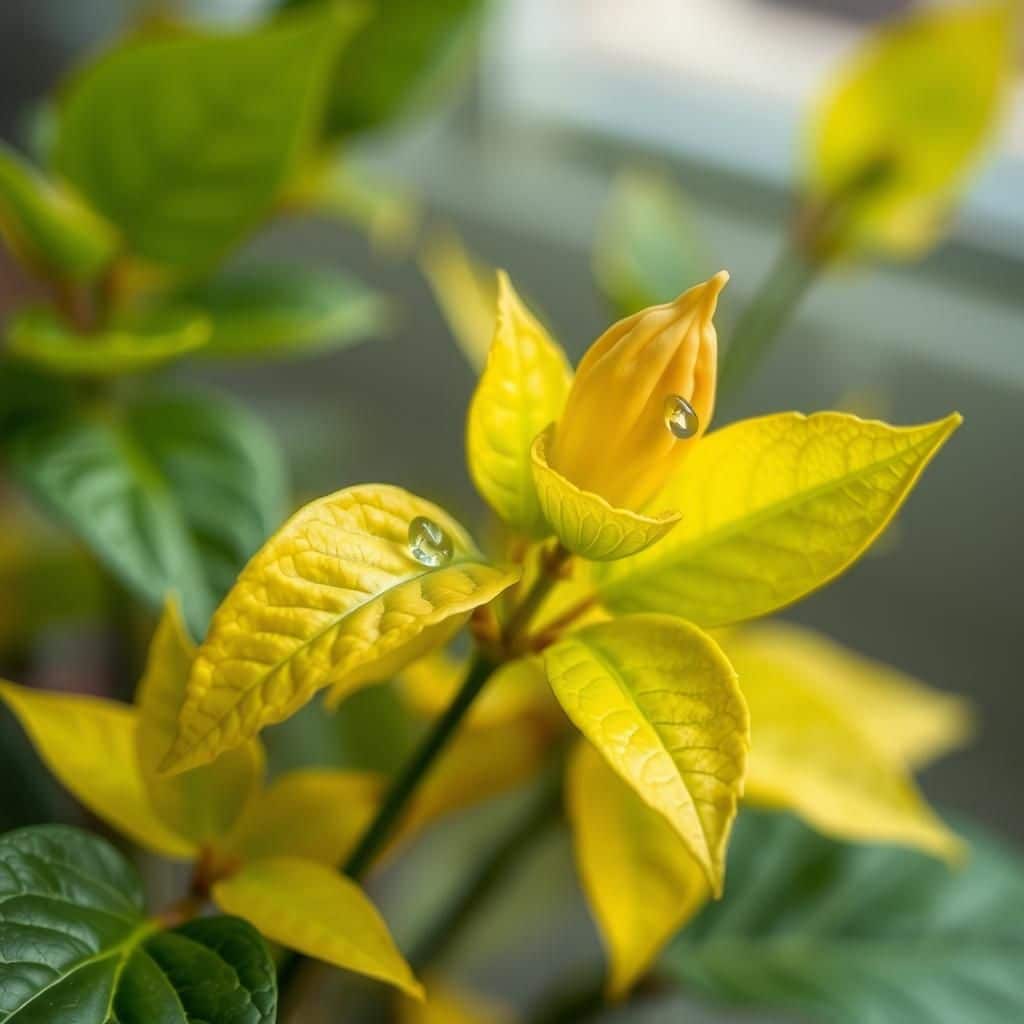
Yellow leaves on plants can be alarming for any gardener, often signaling distress. One common assumption is that this discoloration indicates overwatering, but the truth may be more nuanced. Understanding the reasons behind yellowing leaves is essential for maintaining plant health. Factors such as soil quality, drainage, light exposure, and nutrient levels can also play significant roles. In this article, we will explore the various causes of yellow leaves, how to assess your plant's condition, and provide tips for effective care. By identifying the problem accurately, you can ensure your plants thrive and remain vibrant.
Do Yellow Leaves on Plants Indicate Overwatering?
Yellow leaves on plants can indeed signify that a plant is receiving too much water, but it's essential to consider other factors that may also contribute to this issue. When the roots are exposed to excess moisture, they can become waterlogged, leading to a lack of oxygen and eventual root rot. As a result, the plant may respond by displaying yellowing leaves as a sign of distress. However, yellowing can also be caused by other factors like nutrient deficiencies, insufficient light, or pests. To accurately determine the cause, it is vital to assess the soil moisture levels, observe the plant’s overall health, and check for any other signs of stress.
Causes of Yellow Leaves in Plants
Several factors can lead to yellow leaves in plants, including overwatering, underwatering, nutrient deficiencies, and pest infestations. Overwatering is often the most common issue, as it leads to root rot, which hampers the plant's ability to absorb vital nutrients. Nutrient deficiencies, particularly a lack of nitrogen, can also cause yellowing, as leaves don’t receive the essentials they need to thrive. Furthermore, pests such as aphids can sap the plant's strength, resulting in similar symptoms.
Identifying Overwatering
To identify if a plant is suffering from overwatering, check the soil's moisture levels. If the top layer is consistently wet and the soil below feels soggy, it indicates excess water. Another sign is if the pot has poor drainage; this can trap moisture and suffocate the roots. Additionally, observe the roots for signs of rot, which may appear brown and mushy rather than firm and white. Monitoring the plant’s overall appearance and checking for changes is essential to diagnose the issue accurately.
Correcting Overwatering Issues
If it is determined that overwatering is the problem, the first step is to allow the soil to dry out before watering again. Adjust the watering schedule to ensure that the plant receives only the necessary amount of moisture. Improving drainage can also help mitigate the problem; consider repotting in a container with proper drainage holes or using well-draining soil. In severe cases, removing the plant from its pot and trimming any rotten roots may be necessary and beneficial for its recovery.
See also:
Nutrient Deficiencies and Yellow Leaves
Nutrient deficiencies can also cause yellow leaves; one of the most common issues is a lack of nitrogen. Nitrogen is vital for chlorophyll production, and without it, leaves will begin to yellow from the bottom upwards. Other nutrient deficiency issues include a lack of iron or magnesium, which also lead to yellowing in different patterns. To address these deficiencies, applying a balanced fertilizer or specific nutrient supplements can enhance the overall health of the plant and improve its color.
Preventing Yellow Leaves in Indoor Plants
To prevent yellow leaves in indoor plants, it’s crucial to maintain a consistent watering routine. Check soil moisture regularly and adjust watering practices accordingly. Ensure the plants are getting adequate light; some plants thrive in bright, indirect sunlight, while others may require more shade. Additionally, consider repotting plants every couple of years to refresh the soil, promote better drainage, and provide necessary nutrients. Monitoring for pests regularly can also help in catching any issues early on before they lead to further problems.
| Issue | Symptoms | Solution |
|---|---|---|
| Overwatering | Yellow leaves, soggy soil | Allow soil to dry, enhance drainage |
| Nutrient Deficiency | Yellowing from bottom, pale leaves | Apply balanced fertilizer |
| Pest Infestation | Yellowing leaves, stunted growth | Inspect and treat for pests |
| Insufficient Light | Leggy growth, yellowing leaves | Move plant to a brighter location |
| Root Rot | Brown, mushy roots | Trim affected roots, reduce watering |
Understanding Overwatering: Signs and Solutions for Your Plants
Overwatering is a common problem that many plant owners face, as it can lead to yellowing leaves, root rot, and other health issues for plants. When plants receive too much water, their roots suffocate and cannot absorb the necessary nutrients, resulting in stress and poor growth. To avoid this, it's vital to recognize the signs of overwatering and adjust your care routine accordingly. Proper drainage, soil selection, and monitoring the plant's moisture levels are essential to promote a healthy growing environment and ensure your plant thrives.
Identifying the Symptoms of Overwatered Plants
Common symptoms of overwatered plants include yellowing leaves, wilting, and root rot. The yellowing leaves may appear on the lower part of the plant and can become soft or mushy to the touch. In addition, plants may start to exhibit wilting despite wet soil, as the roots can no longer absorb water effectively. If left unchecked, these conditions can escalate, ultimately leading to the plant's demise if not properly addressed.
Factors Influencing Water Requirements for Different Plants
Different plants have varying water needs based on their species, size, and environmental conditions. For example, succulents and cacti thrive in dry climates and require less water, while tropical plants may need more moisture to grow adequately. Additionally, factors such as light, temperature, and humidity significantly affect how much water a plant needs. Understanding these differences is crucial for maintaining plant health and preventing overwatering.
See also:
How to Properly Water Your Plants
To properly water your plants, it's important to assess the soil moisture before adding more water. A good rule of thumb is to stick your finger about an inch into the soil; if it feels dry, it’s time to water. When watering, do so deeply to reach the roots, but allow the soil to dry out completely between watering sessions to avoid waterlogged conditions. Using pots with drainage holes can also help maintain appropriate moisture levels and prevent excess water from accumulating at the bottom.
The Role of Soil Type in Water Retention
Soil type plays a significant role in how much water is retained and how quickly it drains. For instance, sandy soils drain quickly and may require more frequent watering, while clay soils retain more moisture but may lead to waterlogged conditions. Choosing the right soil mix based on your plant’s requirements is essential, as this can greatly affect your plant's ability to thrive and prevent symptoms of overwatering, such as yellow leaves.
Best Practices for Ensuring Plant Drainage
Ensuring proper drainage is vital for plant health. This can be achieved by using pots with drainage holes and adding materials like perlite or gravel to improve the soil structure. Additionally, elevating pots or using pot feet can prevent water from pooling at the bottom, enhancing air circulation and allowing for better evaporation. Regularly checking that the drainage system is functioning well can prevent the risk of overwatering and maintain optimal soil conditions for your plants.
Questions from Our Readers
Do yellow leaves on plants indicate overwatering?
Yellow leaves can often be a sign of overwatering, as too much water can lead to root rot and hinder the plant's ability to absorb essential nutrients. When the roots are saturated, they may not receive enough oxygen, causing the leaves to turn yellow and drop.
Can yellow leaves mean something other than too much water?
Yes, while overwatering is a common cause of yellow leaves, other factors such as nutrient deficiencies, pest infestations, or environmental stress can also contribute to this issue. It's important to consider the overall health of the plant and examine other signs before concluding.
See also:
How can I determine if my plant is overwatered?
To assess if your plant is overwatered, check the soil moisture by inserting your finger into the soil about an inch deep. If the soil feels wet and muddy, your plant might be receiving too much water, and it’s advisable to reduce the frequency of watering.
What should I do if my plant has yellow leaves?
If you notice yellow leaves, first evaluate your watering schedule and adjust it if necessary. Additionally, inspect for signs of pests or nutrient deficiencies to provide appropriate care and possibly incorporate fertilizers to restore the plant's health.

If you want to read more articles like Do Yellow Leaves on Plants Mean Too Much Water? Discover the Truth Behind Your Plant's Health, we recommend you check out our Plants category.
Leave a Reply
Related Articles