Do Strawberries Like Epsom Salt? Discover the Benefits for Your Garden!

Strawberries are a beloved fruit among gardeners, offering sweetness and vibrant color to any garden. As they require careful attention to thrive, many enthusiasts seek natural methods to enhance their growth. One such method is the use of Epsom salt, a compound rich in magnesium and sulfur. This article explores the potential benefits of incorporating Epsom salt into your strawberry care routine. From boosting nutrient absorption to improving fruit quality, discover how this simple addition can transform your garden and lead to a more bountiful strawberry harvest. Uncover the secrets of successful strawberry cultivation with Epsom salt.
Do Strawberries Benefit from Epsom Salt?
Epsom salt, chemically known as magnesium sulfate, can indeed benefit strawberry plants, as it aids in enhancing nutrient absorption and promoting overall plant health. The magnesium in Epsom salt is crucial for chlorophyll production, leading to healthier and more vibrant green leaves, which in turn allows the plant to photosynthesize more effectively. Additionally, the sulfate component supports the development of fruit, potentially resulting in larger and sweeter strawberries. However, it is essential to use Epsom salt in moderation, as excessive amounts can lead to nutrient imbalances in the soil.
What Nutrients Do Strawberries Need?
Strawberries primarily require nitrogen, phosphorus, potassium, and magnesium for optimal growth. Nitrogen aids in green leaf development, phosphorus encourages strong root growth, and potassium is crucial for overall plant health and fruit quality. Magnesium, often found in Epsom salt, plays a vital role in chlorophyll production and helps plants absorb other nutrients more effectively. Therefore, incorporating Epsom salt as a supplement can address magnesium deficiencies and promote a balanced nutrient intake for your strawberry plants.
How to Use Epsom Salt for Strawberries?
To use Epsom salt for strawberries, dissolve approximately 1 tablespoon of Epsom salt in a gallon of water and apply it to the soil around the base of the plants. This solution should be used once a month during the growing season, ensuring that it does not come into contact with the leaves directly, which might cause burning. This method not only provides the necessary magnesium but also allows for easy absorption by the roots, promoting healthier growth and improved fruit quality.
Possible Side Effects of Using Epsom Salt
While Epsom salt can be beneficial, overusing it may lead to nutrient imbalances in the soil, particularly if magnesium levels become too high. Excessive magnesium can interfere with the uptake of essential nutrients such as calcium and potassium, potentially leading to deficiencies in your strawberry plants. Therefore, it is crucial to monitor the overall nutrient levels in the soil and adjust your application of Epsom salt accordingly, ensuring a balanced environment for the strawberries to flourish.
When to Apply Epsom Salt to Strawberries?
The best time to apply Epsom salt to strawberries is at the start of the growing season, just as new growth begins to emerge. A second application can be made during the flowering stage, as this is when the plants require additional nutrients to support the development of fruit. Therefore, a good practice is to administer Epsom salt once in early spring and again when the plants start to flower. This timing maximizes the benefits of magnesium during critical growth phases.
Comparing Epsom Salt with Other Fertilizers
Epsom salt differs from traditional fertilizers, which often provide a broad range of nutrients in larger quantities, focusing on nitrogen, phosphorus, and potassium. While most fertilizers supply the primary nutrients, Epsom salt specifically addresses magnesium deficiencies, which are less commonly found in standard fertilizers. However, using Epsom salt as a supplement alongside a balanced fertilizer can enhance the overall nutrient profile for strawberry plants, resulting in improved growth and fruiting.
| Nutrient | Role | Source |
|---|---|---|
| Nitrogen | Leaf development | Traditional fertilizers |
| Phosphorus | Root growth | Traditional fertilizers |
| Potassium | Plant health and fruit quality | Traditional fertilizers |
| Magnesium | Chlorophyll production | Epsom salt |
What plants should you not put Epsom salt on?
Epsom salt, composed mainly of magnesium sulfate, is often used in gardening to provide magnesium, which can enhance plant growth. However, not all plants benefit from this treatment. Here are some plants and categories of plants that should not be treated with Epsom salt.
1. Plants Sensitive to Magnesium
Some plants are sensitive to increased magnesium levels and can experience nutrient imbalances if Epsom salt is applied. Choosing to fertilize with Epsom salt on these plants might result in:
- Tomatoes: Excess magnesium can lead to a calcium imbalance.
- Potatoes: High magnesium levels may inhibit potassium uptake.
- Peppers: Susceptible to nutrient deficiencies when magnesium is excessive.
2. Non-Flowering Plants
Some plants, particularly non-flowering varieties, do not require additional magnesium and may not respond positively to Epsom salt. Their needs are generally met through standard fertilization. Examples include:
- Ferns: Generally prefer less magnesium and more nitrogen.
- Succulents: Too much magnesium can hinder their growth.
- Air plants: Often thrive in low-nutrient conditions.
3. High Nitrogen-Dependent Plants
Certain plants that require a high nitrogen content for growth might not respond well to the application of Epsom salt. They could develop nutrient imbalances as a result. This includes:
- Grass: Benefits from nitrogen more than magnesium.
- Legumes: Fix nitrogen themselves and might not need extra magnesium.
- Some leafy greens: Need a balance skewed towards nitrogen to promote growth.
4. Cacti and Succulents
Cacti and succulents are specially adapted to thrive in low-nutrient environments. Adding Epsom salt may cause unnecessary stress. In these plants, it's crucial to maintain a careful balance. Consider:
- Echinopsis: May suffer from over-fertilization.
- Aloe Vera: Prefers dry, nutrient-poor conditions.
- Jade Plant: Can develop root rot with excess magnesium.
5. Plants with Well-Defined Nutrient Needs
Certain plants have very specific nutrient requirements and are best supported by tailored fertilization rather than general additives like Epsom salt. Notable examples include:
- Rhododendrons: Prefer acidic soils and may react poorly to added magnesium.
- Blueberries: Thrive in low pH soils, adding Epsom could alter this.
- Azaleas: Also prefer lower magnesium levels to maintain health.
What is the best thing to feed strawberry plants?

To promote healthy growth and maximize fruit production in strawberry plants, it's essential to provide them with the right nutrients. The best thing to feed strawberry plants includes a combination of organic matter, fertilizers, and proper soil management. Here are the optimal options:
Organic Matter
Feeding strawberry plants with adequate organic matter improves soil structure, boosts microbial activity, and enhances nutrient availability. Compost, aged manure, or peat moss are excellent sources of organic matter. They help retain moisture and provide essential nutrients over time.
- Compost: Rich in nutrients and improves soil aeration.
- Aged Manure: Provides a slow release of nutrients like nitrogen, phosphorus, and potassium.
- Peat Moss: Enhances moisture retention, ideal for dry areas.
Balanced Fertilizers
Using a balanced fertilizer specifically formulated for fruit-bearing plants can benefit strawberry plants significantly. Look for fertilizers with a balanced N-P-K (Nitrogen, Phosphorus, Potassium) ratio, like 10-10-10 or 5-10-10, to support overall plant health and fruit development.
- Nitrogen: Promotes vigorous leaf growth.
- Phosphorus: Encourages strong root development and flowering.
- Potassium: Improves fruit quality and enhances disease resistance.
Mulching
Mulching around strawberry plants is vital for moisture conservation and weed control. Organic mulches like straw, wood chips, or grass clippings not only suppress weeds but also decompose over time, enhancing the soil with organic nutrients.
- Straw: Aids in moisture retention and weed suppression.
- Wood Chips: Provides long-lasting coverage while gradually improving soil quality.
- Grass Clippings: Adds nitrogen content but should be used carefully to avoid mats.
Soil pH Management
Maintaining the correct soil pH is crucial for strawberry plants, as it affects nutrient absorption. Strawberries prefer a slightly acidic pH of 5.5 to 6.5. Testing soil pH regularly and adjusting with lime (to raise pH) or sulfur (to lower pH) can enhance nutrient uptake.
- Testing: Regular soil tests determine pH levels and nutrient needs.
- Lime: Raises soil pH and provides calcium.
- Sulfur: Lowers soil pH and improves availability of some nutrients.
Watering and Fertility Management
Watering plays a crucial role in nutrient uptake. Strawberry plants require consistent moisture, especially during fruiting. Regular watering, coupled with strategic feeding schedules, helps maintain nutrient levels and plant growth.
- Consistent Moisture: Essential for nutrient absorption and preventing stress.
- Fertility Schedule: Regular feeding throughout the growing season ensures nutrient availability.
- Avoiding Over-Fertilization: Prevents nutrient runoff and plant damage.
What can I add to my soil to make my strawberries sweeter?
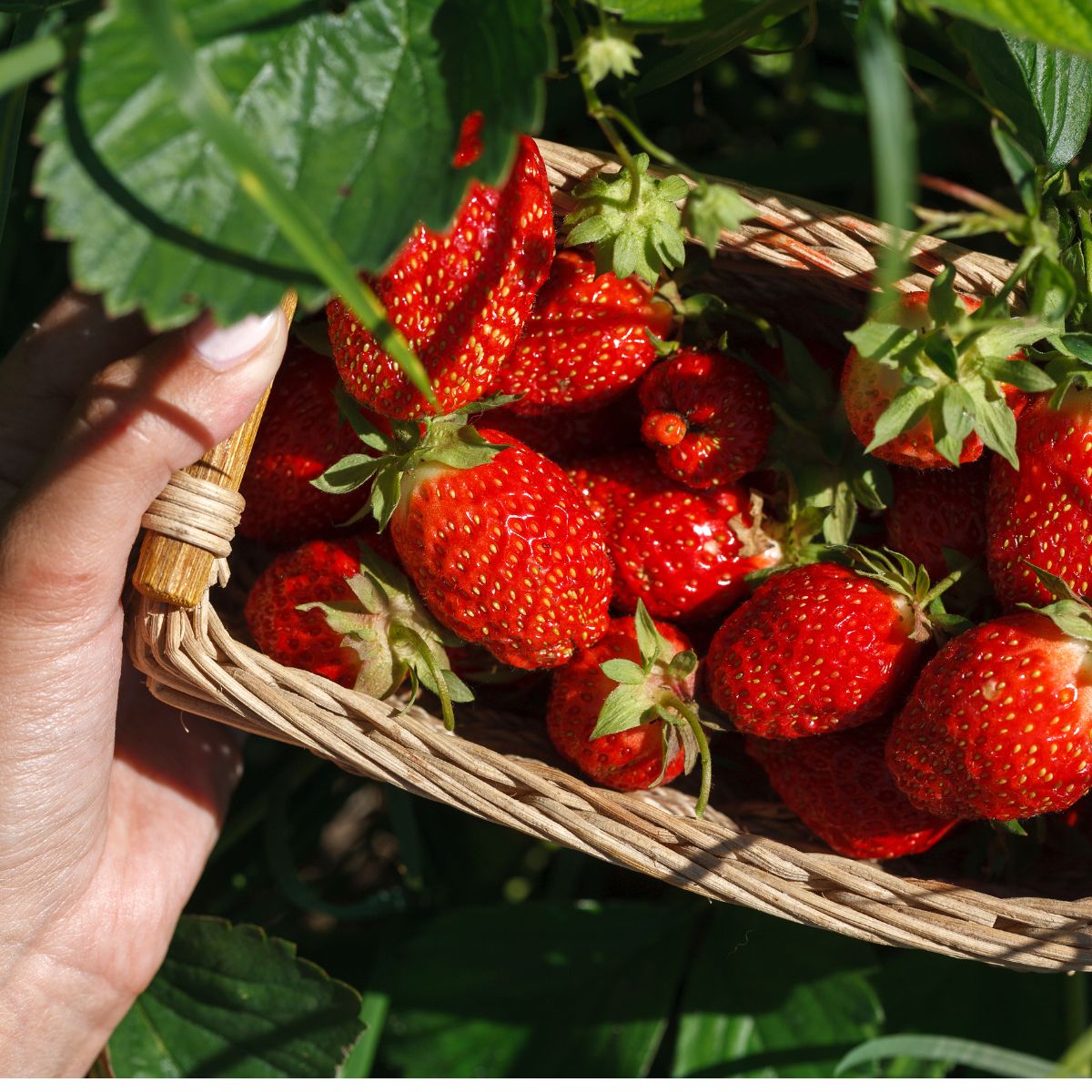
To enhance the sweetness of strawberries grown in your garden, there are several amendments and practices you can employ in your soil management. Strawberries thrive best in nutrient-rich, well-draining soil with the right pH levels, typically between 5.5 and 6.8. Here are key amendments you can add to your soil to promote sweeter strawberries.
Organic Matter
Adding organic matter is crucial for improving soil structure and enhancing overall fertility. Organic materials help retain moisture and provide essential nutrients over time.
- Compost: Incorporate well-rotted compost into your soil, which will improve its nutrient content and microbial activity.
- Animal Manure: Well-composted manure, like chicken or cow manure, can enrich the soil with nitrogen, promoting healthier growth and sweeter fruits.
- Mulch: Use organic mulches to regulate soil temperature, retain moisture, and gradually release nutrients as they break down.
Soil pH Adjustment
Maintaining the appropriate soil pH is vital for nutrient availability. Strawberries prefer slightly acidic soil, which helps them absorb nutrients more effectively.
- Adding Sulfur: If your soil pH is too high, incorporating elemental sulfur will lower it, creating a more suitable environment for strawberries.
- Peat Moss: Incorporating peat moss can also help achieve the desired acidity while adding organic matter.
- Testing pH: Regularly test your soil’s pH to ensure it stays within the optimal range for strawberries.
Fertilizers
Using the right fertilizers at the correct times can significantly impact the flavor of your strawberries. It’s important to choose fertilizers that suit strawberries' nutritional requirements.
- Balanced Fertilizers: Use a balanced fertilizer with equal parts nitrogen, phosphorus, and potassium to support overall plant health.
- Bone Meal: This organic option is rich in phosphorus, promoting strong root development and enhancing berry sweetness.
- Fish Emulsion: A natural fertilizer that provides essential nutrients and boosts microbial activity in the soil, resulting in healthier plants.
Water Management
Proper water management is essential for producing sweet strawberries. Over or under-watering can lead to stress and affect the sugar content of the fruit.
- Consistent Moisture: Keep the soil consistently moist but not waterlogged, ensuring that strawberries have enough water to develop flavors.
- Drip Irrigation: Consider using a drip irrigation system to deliver water directly to the root zone, minimizing evaporation and maximizing moisture efficiency.
- Mulching: Using mulch helps retain soil moisture, reducing the frequency of watering and preventing stress on the plants.
Sunlight Exposure
Strawberries require ample sunlight to produce sugary, sweet fruits. Ensuring they receive enough light is essential for optimal flavor development.
- Full Sunlight: Plant strawberries in an area that receives at least 6-8 hours of direct sunlight daily to enhance sugar production.
- Location Planning: Choose south-facing spots or elevated areas in your garden for maximum sunlight exposure.
- Avoid Shade: Limit planting near trees or structures that could block sunlight and reduce fruit sweetness.
Questions from Our Readers
Do strawberries benefit from Epsom salt?
Epsom salt is often used as a fertilizer for strawberries because it contains magnesium and sulfur, which can enhance fruit development and improve overall plant health. These nutrients are essential for various plant processes, making Epsom salt a beneficial addition to the soil for strawberry plants, particularly in magnesium-deficient soils.
How should Epsom salt be applied to strawberries?
To apply Epsom salt to strawberries, you can mix about 1 tablespoon of Epsom salt with a gallon of water and use it as a foliar spray or apply it directly to the soil around the plants. It's best to apply this solution every 4-6 weeks during the growing season to optimize nutrient uptake and promote lush growth.
Can too much Epsom salt harm strawberries?
Yes, while Epsom salt can be beneficial, using it in excessive amounts can lead to an imbalance of nutrients in the soil. Over-application may cause issues such as salt buildup, which can hinder plant growth, so it's essential to follow recommended guidelines and monitor your plants for any signs of stress.
What are the signs that strawberries need Epsom salt?
Strawberries that exhibit yellowing leaves, slow growth, or poor fruit production may indicate a magnesium deficiency, suggesting they could benefit from Epsom salt. Regularly checking your plants and soil conditions can help you determine if it's time to add this supplement to support healthy strawberry growth.

If you want to read more articles like Do Strawberries Like Epsom Salt? Discover the Benefits for Your Garden!, we recommend you check out our Berries category.
Leave a Reply
Related Articles