Do Raspberries Grow Better in Pots or Ground? A Comprehensive Guide for Gardeners

Raspberries are a popular fruit among gardeners for their delicious flavor and health benefits. However, selecting the right growing method—whether in pots or directly in the ground—can significantly impact their growth and yield. This comprehensive guide explores the advantages and disadvantages of each approach, helping you make an informed decision tailored to your gardening space, climate, and personal preferences. By understanding the unique requirements of raspberry plants, from soil types to watering needs, you can ensure a bountiful harvest and enjoy the satisfaction of homegrown berries. Dive in to discover the best practices for cultivating these delightful fruits!
Do Raspberries Grow Better in Pots or Ground?
When considering whether raspberries grow better in pots or the ground, several factors come into play, including root space, drainage, and sunlight access. Raspberries thrive in well-drained soil with good fertility, which is often easier to manage in the ground where roots have more room to expand. However, pots can be beneficial for urban gardening or if soil conditions are not ideal, as they allow for better control over soil quality and help prevent certain pests and diseases. Ultimately, the best option depends on the specific growing conditions available to the gardener and the variety of raspberries being cultivated.
Growing Conditions for Raspberries
Raspberries prefer well-drained, loamy soil with a pH between 5.5 and 6.5. In the ground, they can spread their roots to access nutrients and moisture more effectively. When grown in pots, choosing the right potting mix that retains moisture while providing adequate drainage is crucial. In both settings, ensuring sunlight exposure is essential since raspberries require at least six hours of full sun each day for optimal growth and fruit production.
Pests and Diseases
Growing raspberries in pots can potentially reduce the risk of certain pests and diseases, as containers are more manageable and can be moved to avoid affected areas. In the ground, while raspberries can be susceptible to issues like root rot and aphids, good cultural practices—such as crop rotation and good gardening hygiene—can minimize these risks. Nonetheless, pest control is crucial regardless of the growing medium.
Space Requirements
Raspberries are typically spaced about 2 to 3 feet apart when planted in the ground to allow for their spreading habit. When grown in pots, it's essential to select sufficiently large containers (at least 5 gallons) to accommodate their growth. In pots, space can be limited, which may restrict berry production but can lead to easier maintenance and harvesting.
Watering Needs
Both ground and pot-grown raspberries require consistent moisture, but watering needs can differ. Ground-planted raspberries may require deep watering less frequently, while potted ones may need more regular watering to prevent drying out. A good rule of thumb is to monitor the top inch of soil; it should remain moist but not saturated.
Impact on Flavor and Yield
The flavor and yield of raspberries can be influenced by their growing conditions. Raspberries grown in the ground may have larger yields due to better root development and access to nutrients, while those grown in pots may have a more concentrated flavor, as their growth is limited and they may ripen quicker. Ultimately, the choice may depend on whether quantity or quality is the gardener's priority.
| Growing Medium | Advantages | Disadvantages |
|---|---|---|
| Ground | Better root development, larger yields | More susceptible to pests and diseases |
| Pots | Controlled soil conditions, easier to manage | Limited root space, potentially lower yields |
Do raspberries like pots or ground?
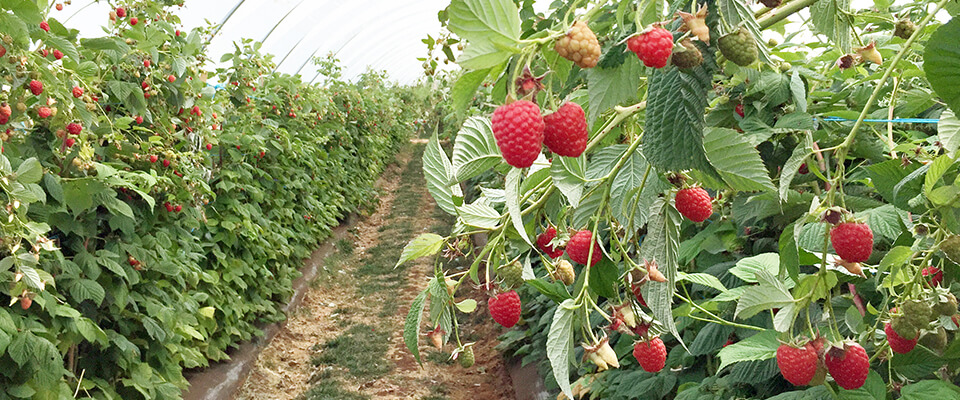
Raspberries can thrive in both pots and the ground, but each method has its own set of advantages and considerations. When choosing between pots and ground planting, it's essential to consider factors like space, soil conditions, and care requirements.
Benefits of Growing Raspberries in Pots
Growing raspberries in pots offers several key benefits:
- Mobility: Pots allow for easy movement, enabling gardeners to find the best location for sunlight and temperature.
- Soil Control: Pots provide the opportunity to use high-quality, well-draining potting soil that can promote better growth.
- Space Optimization: Ideal for small spaces or urban gardening where ground planting may not be feasible.
Considerations for Growing Raspberries in Pots
While growing raspberries in pots is convenient, there are factors to keep in mind:
- Watering Needs: Pots may dry out more quickly than ground soil, requiring more frequent watering.
- Size Limitations: Space for root growth is limited in pots, which may impact the overall yield.
- Fertilization: Regular fertilization is necessary, as nutrients in pots can be depleted faster than in the ground.
Advantages of Planting Raspberries in the Ground
Planting raspberries in the ground has its unique set of advantages:
- Root Development: In-ground planting allows for deeper root systems, which can enhance nutrient and water access.
- Higher Yields: Generally, raspberries grown in the ground can produce larger harvests due to more available space and nutrients.
- Less Maintenance: Once established, ground-planted raspberries often require less frequent watering and fertilization.
Considerations for Growing Raspberries in the Ground
When opting for ground planting, there are a few considerations:
- Soil Quality: The quality of the native soil must be adequate; poor soil may require amendments for successful growth.
- Pest Management: Ground-planted raspberries may face more pest challenges, necessitating monitoring and management.
- Space Requirements: They require more space than pot-grown raspberries and need to be in a location that encourages sunlight and airflow.
Choosing Between Pots and Ground for Raspberries
Deciding whether to grow raspberries in pots or the ground involves several considerations:
- Available Space: Assess your gardening area and determine which method fits better in terms of space.
- Desired Yield: Consider how much fruit you want to harvest; in-ground may yield more.
- Gardening Goals: Whether you prefer container gardening due to mobility or the satisfaction of traditional gardening will influence your choice.
What is the best thing to grow raspberries in?
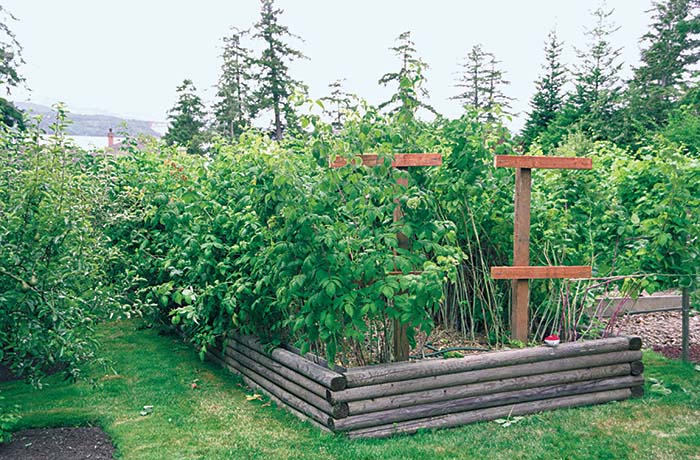
To grow raspberries successfully, the best medium is a well-drained, nutrient-rich soil that maintains moisture but does not become waterlogged. Raspberries thrive in slightly acidic to neutral soil pH, ideally between 5.5 and 6.5. This type of environment ensures that the plants can access the essential nutrients they require for robust growth and fruit production. Additionally, adding organic matter such as compost can significantly enhance the soil structure and fertility.
Soil Requirements
The specific soil characteristics that facilitate optimal raspberry growth include:
- Drainage: Good drainage prevents root rot and other diseases.
- Soil pH: Maintaining a pH level of 5.5 to 6.5 is essential for nutrient absorption.
- Nutrient-Rich: Incorporate organic matter such as compost to enrich the soil.
Sunlight Needs
Raspberries require full sunlight to produce fruit effectively. Here are the light conditions:
- Full Sun: Aim for at least 6-8 hours of direct sunlight daily.
- Avoid Shade: Plant in areas that are not shaded by trees or tall plants.
- Microclimates: Look for areas that benefit from reflected heat, such as south or west-facing walls.
Watering Guidelines
Consistent moisture levels are crucial for raspberry health. Effective watering practices include:
- Regular Watering: Water deeply once a week, increasing frequency during dry spells.
- Mulching: Apply mulch to retain moisture and suppress weeds.
- Soil Check: Always check soil moisture before watering, as overwatering can damage root systems.
Supporting Structures
Providing adequate support for raspberry plants is essential for their growth. Consider the following:
- Trellising: Use trellises to help support the canes and improve air circulation.
- Staking: Stake individual plants if they are not planted in rows or if they require additional support.
- Spacing: Ensure correct spacing between plants to prevent overcrowding and promote healthy growth.
Fertilization Practices
Fertilization supports robust growth in raspberries. Keep these tips in mind:
- Organic Fertilizers: Use compost or well-rotted manure to enhance soil nutrient levels.
- Timing: Fertilize in early spring as plants emerge and again after fruiting.
- Test Soil: Conduct a soil test to determine specific nutrient needs, ensuring balanced fertilization.
How big of a container do I need to grow raspberries?

To grow raspberries successfully, the size of the container is crucial for their development and fruit production. Generally, you will need a container that is at least 5 gallons (19 liters) in volume to provide adequate space for the roots and to ensure that the plants receive enough nutrients and moisture. However, more significant options, such as 10 gallons (38 liters) or larger, will yield better results, as raspberries are relatively vigorous growers.
Container Depth Requirements
Raspberries have deep root systems that require ample space to grow. Therefore, the depth of the container is important for promoting healthy growth.
- Minimum Depth: A minimum depth of 12-18 inches (30-45 cm) is recommended to accommodate the roots.
- Water Retention: Deeper containers help retain moisture, which is critical for raspberry plants.
- Root Expansion: Adequate depth allows roots to expand freely, reducing the chances of stunted growth.
Container Width Considerations
The width of the container is equally important as it allows for lateral root growth and provides ample space for the plant to thrive.
- Minimum Width: A width of at least 18-24 inches (45-60 cm) is advisable for raspberry plants.
- Airflow: A wider container promotes better air circulation, which is essential for preventing diseases.
- Multiple Plants: If planting multiple raspberry canes, ensure adequate spacing within the container to avoid overcrowding.
Material Choices for Containers
The type of material used for the container can affect the plant's growth and overall health. Different materials have varying attributes concerning insulation and moisture retention.
- Plastic Containers: Lightweight and often come with drainage holes. They retain moisture well but may need periodic insulation.
- Terracotta Pots: These pots are breathable, allowing for better air circulation but can dry out quickly, requiring frequent watering.
- Fabric Pots: Excellent for drainage and promoting healthy root systems; they allow roots to breathe and prevent circling.
Drainage Needs
Good drainage is critical for raspberry plants, as they do not tolerate waterlogged conditions. Containers require effective drainage solutions.
- Drainage Holes: Ensure your container has sufficient drainage holes at the bottom to allow excess water to escape.
- Drainage Material: Consider adding a layer of gravel or broken pottery at the bottom to further enhance drainage.
- Moisture Management: Monitor moisture levels regularly to avoid root rot, adjusting watering practices as needed.
Using Support Structures
Raspberry plants benefit significantly from support structures as they grow, making container size and volume important in terms of accommodating support.
- Treillage Requirements: When growing in containers, leave enough space in the container for a trellis or support for the canes.
- Weight Distribution: Containers need to be sturdy enough to support the weight of the trellis and the fruit-laden plants.
- Height Considerations: Choose a container that provides enough vertical space for the growth of canes and attached supports.
Questions from Our Readers
Do raspberries grow better in pots or ground?
Raspberries generally grow better in the ground than in pots because they have deeper roots that can access more nutrients and moisture. However, potted raspberries can thrive if they receive proper care, including sufficient water and fertilization.
What are the benefits of growing raspberries in pots?
Growing raspberries in pots offers several benefits, including easier mobility, better control over soil conditions, and the ability to protect the plants from pests and diseases. Additionally, potted raspberries can fit into smaller spaces, making them ideal for urban gardening.
Can I grow raspberries in containers year-round?
While it is possible to grow raspberries in containers year-round, they may require extra care during the winter months. It’s important to insulate the pots or move them to a sheltered location to protect the roots from freezing temperatures, ensuring a healthy crop in the following season.
What type of pot is best for growing raspberries?
The best pots for growing raspberries are those that are at least 12-18 inches deep and have good drainage. Choosing a large container allows the roots to spread out, providing the plants with enough space to grow while maintaining healthy soil moisture levels.
If you want to read more articles like Do Raspberries Grow Better in Pots or Ground? A Comprehensive Guide for Gardeners, we recommend you check out our Berries category.
Leave a Reply
Related Articles