Do Raspberries Do Better in Sun or Shade? Exploring the Ideal Growing Conditions

Raspberries are a beloved fruit known for their vibrant color and delicious flavor, making them a popular choice among home gardeners. However, one crucial aspect of growing healthy and productive raspberry plants is understanding their light requirements. Do these berries thrive best in full sun, or can they also succeed in shaded areas? This article delves into the ideal growing conditions for raspberries, exploring how sunlight exposure affects their growth, fruit production, and overall health. By examining the balance between sun and shade, we can uncover the secrets to cultivating a fruitful raspberry patch that yields bountiful harvests.
Do Raspberries Prefer Sun or Shade?
Raspberries thrive best in full sun conditions, ideally receiving at least 6 to 8 hours of sunlight each day. This exposure promotes optimal growth, flowering, and fruiting. When planted in shaded areas, raspberries may still grow, but they will produce significantly fewer berries, and those berries may be smaller and less flavorful. Adequate sunlight not only enhances the photosynthesis process but also assists in preventing fungal diseases that can develop in overly humid and shaded conditions.
Impact of Sunlight on Raspberry Growth
The amount of sunlight that raspberries receive directly affects their overall growth and productivity. When cultivated in sunny environments, these plants exhibit robust growth, enhancing their ability to produce a higher yield. In contrast, those grown in shaded areas tend to be weaker and less productive, as they struggle to gather enough light for essential metabolic processes.
Optimal Sun Exposure for Raspberry Plants
Raspberry plants flourish best when exposed to full sun, with 6 to 8 hours of direct sunlight being ideal. The warmth from sunlight encourages blooming, ripening, and increases the sugar content in the fruit, leading to sweeter raspberries. Moreover, adequate sun exposure aids in the development of strong roots, which are crucial for nutrient and moisture uptake.
Effects of Shade on Raspberry Production
When raspberries are grown in shaded environments, their production can suffer considerably. The lack of sufficient sunlight not only reduces the quantity of fruit produced but also diminishes the quality of the berries, making them less flavorful. Additionally, shaded conditions can contribute to increased humidity, fostering disease pressure that can further impair plant health and productivity.
Temperature and Sunlight Requirements
In addition to sunlight, raspberries also require warmer temperatures for optimal growth. Sunny conditions help maintain the necessary warmth, which promotes better fruit set and maturation. Cooler temperatures combined with prolonged shading can lead to poor growth and a reduced harvest, as the plants do not thrive in such an environment.
Considerations for Planting Raspberries
When planning to plant raspberries, it is crucial to select a site that ensures maximum sunlight exposure throughout the growing season. Evaluate surrounding structures or vegetation that may cast shadows and consider their potential impact on raspberry plants. Ideally, building or planting should not obstruct sunlight, allowing these plants to achieve their full growing potential.
| Condition | Sunlight Requirements | Impact on Growth | Fruit Quality | Disease Risk |
|---|---|---|---|---|
| Full Sun | 6 to 8 hours | Robust growth and high yield | Sweet and abundant | Lower risk |
| Partial Shade | 4 to 6 hours | Moderate growth | Adequate, less sweet | Higher risk |
| Full Shade | Less than 4 hours | Weak growth, low yield | Smaller and less flavorful | Very high risk |
Where should you not plant raspberries?
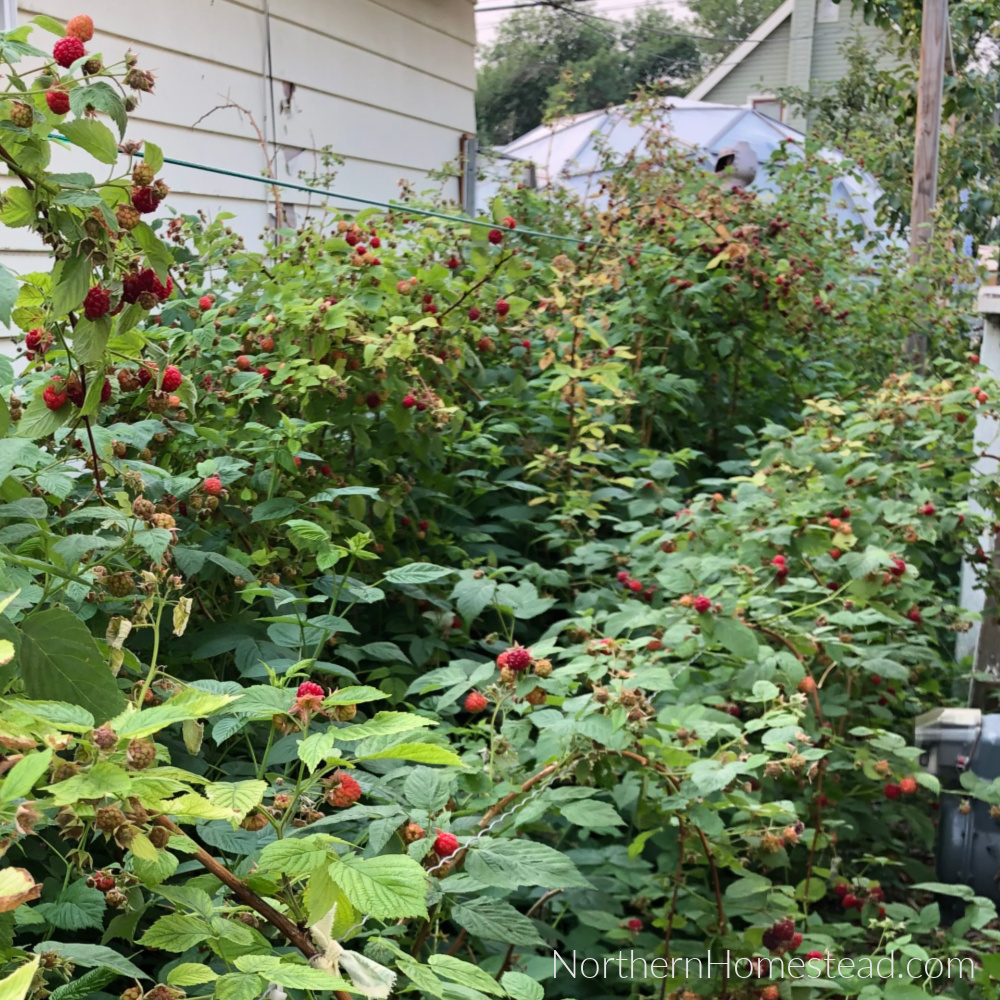
Raspberries are a delicious fruit that can thrive in the right conditions, but there are specific locations where planting them is discouraged. Here are some areas where you should not plant raspberries.
1. Areas with Poor Soil Drainage
Raspberries prefer well-drained soil to prevent root rot and other diseases. Waterlogged soils can lead to fungal infections and poor growth. If you notice that the area stays muddy after rainfall or does not drain effectively, consider avoiding it for raspberry planting.
- Soils that retain excessive moisture.
- Low-lying areas where water accumulates.
- Locations near rivers or ponds where flooding can occur.
2. Locations with High Humidity
High humidity can create an ideal environment for diseases and pests, which can severely impact raspberry plants. Planting in areas where humidity levels are consistently high is not advisable.
- Regions with frequent rain and high humidity levels.
- Coastal areas where humidity is naturally elevated.
- Enclosed spaces that trap moisture.
3. Zones with Extreme Temperature Fluctuations
Raspberry plants are sensitive to extreme temperature variations. Areas that experience extreme heat or cold can stress the plants, leading to poor yields. It is essential to select zones with relatively stable temperatures for optimal growth.
- Regions with severe winter temperatures.
- Areas that have hot summers with little shade.
- Places experiencing frequent temperature swings.
4. Areas with Heavy Shade
Raspberries require full sun for at least six to eight hours a day to produce fruit effectively. Planting in heavily shaded areas can inhibit their growth and reduce fruit quality.
- Underneath large trees that block sunlight.
- In places where other structures create extended shadows.
- Areas dominated by dense vegetation that limit sun exposure.
5. Near Competing Plants
Raspberries can be affected by competition from nearby plants for nutrients, water, and sunlight. Planting them too close to other crops or weeds can hinder their growth and productivity.
- Areas densely populated with weeds.
- Close proximity to large, established garden plants.
- Locations where neighboring crops can overshadow them.
Questions from Our Readers
Do raspberries prefer full sun or shade?
Raspberries typically prefer full sun for optimal growth and fruit production. At least 6-8 hours of direct sunlight daily is ideal, as it helps the plants develop strong canes and produces sweeter berries.
Can raspberries grow in partial shade?
While raspberries can survive in partial shade, their overall growth and yield may be significantly reduced. In shade, they are more susceptible to diseases and may produce fewer berries, making full sun preferable.
What happens to raspberries in too much shade?
In too much shade, raspberries may struggle to thrive, leading to weak growth and less fruit. The lack of adequate sunlight can also result in increased vulnerability to pests and diseases, affecting the overall health of the plant.
Is morning sun better for raspberries than afternoon sun?
Morning sun is often considered better for raspberries than afternoon sun because it allows the foliage to dry out quickly, reducing the risk of fungal diseases. Therefore, a site that receives morning sunlight is ideal for healthy raspberry plants.

If you want to read more articles like Do Raspberries Do Better in Sun or Shade? Exploring the Ideal Growing Conditions, we recommend you check out our Berries category.
Leave a Reply
Related Articles