Do Peace Lilies Like Coffee Grounds? Discover the Benefits and Tips for Care
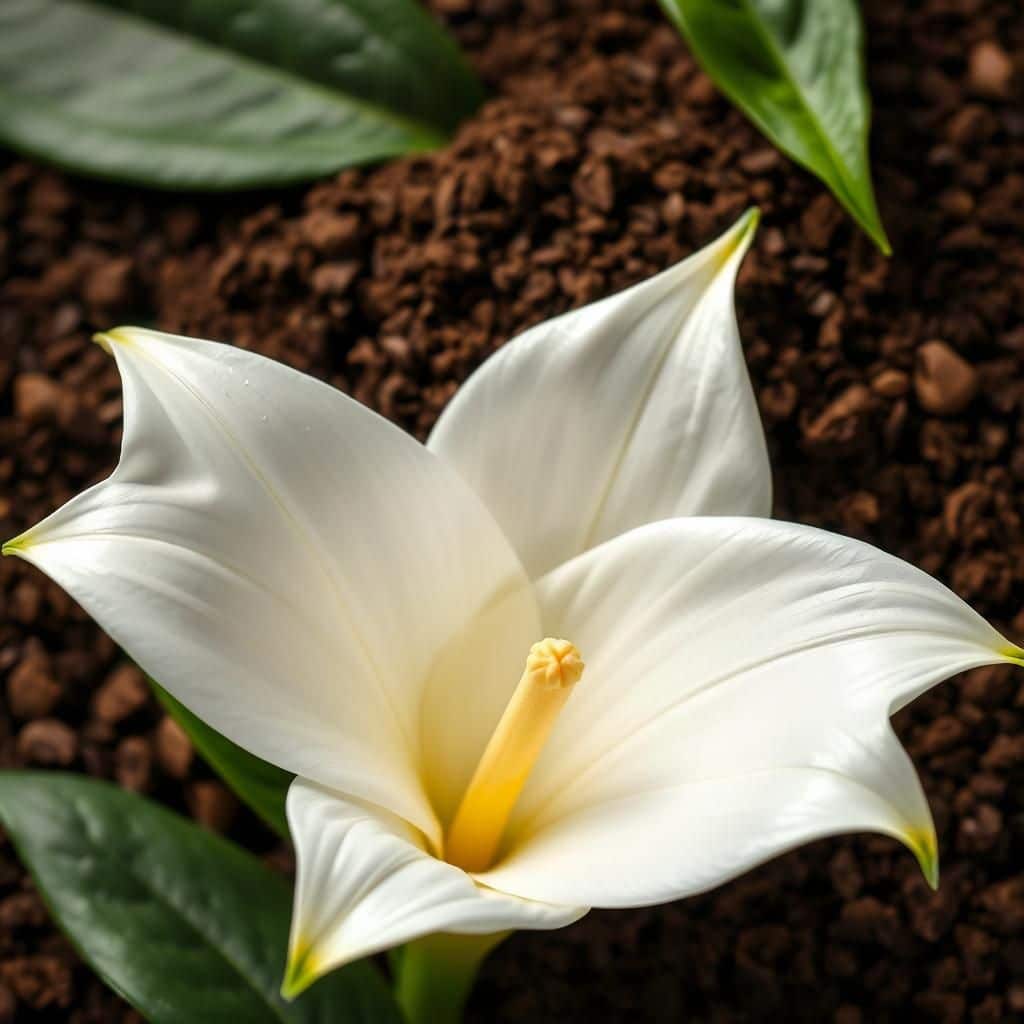
Peace lilies are beloved houseplants known for their elegant white blooms and glossy green leaves. However, proper care can sometimes be a puzzle for plant enthusiasts. One intriguing question that arises among gardeners is whether coffee grounds can benefit these stunning plants. In this article, we will explore the effects of coffee grounds on peace lilies, touching on their potential advantages and the best practices for using them as a natural fertilizer. By understanding how to care for your peace lily with the right nutrients, you can ensure it thrives in your home for years to come.
Do Peace Lilies Like Coffee Grounds?
Peace lilies can benefit from the addition of coffee grounds to their soil, as these organic materials can contribute to a healthier growing environment. When used in moderation, coffee grounds provide nitrogen, enhance soil structure, and improve water retention. Additionally, they can slightly increase soil acidity, which is favorable since peace lilies thrive in slightly acidic conditions. However, it is essential to avoid overusing coffee grounds, as excessive amounts can lead to mold growth or nutrient imbalances in the soil.
Benefits of Coffee Grounds for Peace Lilies
Coffee grounds are rich in nutrients, particularly nitrogen, which is essential for the growth of healthy peace lilies. The slow release of nitrogen from the coffee grounds can promote lush green leaves and overall plant vitality. Additionally, they can improve the structure of the soil, allowing for better aeration and drainage, which is crucial for the roots of peace lilies that do not tolerate sitting in water.
How to Use Coffee Grounds
To effectively use coffee grounds for peace lilies, it's best to mix them into the potting soil rather than sprinkling them on top. You should aim to incorporate no more than 10-20% coffee grounds into the soil mixture to ensure the plant receives the benefits without the risk of moisture retention issues. You can also create a compost using coffee grounds to further enrich the soil as they break down over time.
Potential Risks of Using Coffee Grounds
While coffee grounds can be beneficial, there are potential risks to be aware of. Over-application can lead to mold growth and can create an overly acidic environment that may harm the peace lily. There is also the possibility that coffee grounds can attract pests if not used properly, which could lead to additional challenges for plant care.
Alternatives to Coffee Grounds
If you find that coffee grounds are not suitable for your peace lilies, there are several alternatives to consider. Other organic materials, such as well-rotted compost, worm castings, or balanced fertilizers, can provide essential nutrients without the risks associated with coffee grounds. Each alternative has unique benefits; for example, compost can improve moisture retention, while fertilizers can deliver a more controlled nutrient supply.
Signs of Overuse
If peace lilies are exposed to too many coffee grounds, they may exhibit signs such as yellowing leaves, stunted growth, or mold on the soil surface. These symptoms indicate that the coffee grounds may be creating an unfavorable growing environment. Regular monitoring of the plant’s health and careful balancing of amendments will help maintain optimal conditions for peace lilies.
| Aspect | Benefit | Risk |
|---|---|---|
| Coffee Grounds | Rich in nitrogen, improves soil structure | Over-application can lead to mold and pests |
| Soil Structure | Enhances drainage and aeration | May retain too much moisture |
| Alternatives | Provide balanced nutrients | Need to be tested for effectiveness |
How much coffee for peace lily?

To determine how much coffee is suitable for a peace lily, it is essential to understand the specific requirements of this plant regarding nutrients, particularly nitrogen, which coffee grounds provide. Using coffee grounds can benefit peace lilies, but moderation is key. Generally, it is advisable to add a small amount—about 1 to 2 tablespoons of used coffee grounds per pot—once every few months. The grounds should be mixed into the soil rather than applied directly on top, to help avoid mold growth and to ensure even nutrient distribution.
Benefits of Coffee Grounds for Peace Lilies
Coffee grounds can provide several advantages for peace lilies. These grounds are rich in nitrogen, which is crucial for healthy foliage. Additionally, they help improve soil structure and drainage.
See also:
- Nutrient-Rich: Coffee grounds contain essential nutrients that can enhance the growth and vibrancy of peace lilies.
- Improves Soil Structure: The addition of coffee grounds can improve the overall texture and aeration of the soil.
- Encourages Microbial Activity: Coffee grounds can promote beneficial microbial activity in the soil, which helps plants absorb nutrients more effectively.
How to Apply Coffee Grounds
Applying coffee grounds requires a careful approach to ensure the health of your peace lily. Proper application involves mixing the grounds into the soil, which can help with nutrient distribution and prevent potential mold issues.
- Mix Them in Soil: Always blend the coffee grounds into the soil rather than leaving them on the surface.
- Use Sparingly: Limit the amount to avoid overwhelming the plant with excess nutrients; moderation is essential.
- Monitor Plant Response: Observe how your peace lily reacts; if the leaves start to yellow, reduce the amount used.
Frequency of Application
The frequency of applying coffee grounds to a peace lily is important for maintaining a balance in nutrient intake. Generally, adding coffee grounds every few months is sufficient.
- Every 2-3 Months: Apply the grounds to prevent nutrient overload and sustain a healthy soil environment.
- Seasonal Adjustment: Consider varying the frequency based on the plant's growth cycle; more frequent application might be needed during active growth periods.
- Observe Conditions: Adjust frequency based on factors like soil health and humidity levels in the environment.
Potential Risks of Using Coffee Grounds
While coffee grounds can be beneficial, there are also potential risks associated with their use that should be considered when caring for your peace lily.
- Mold Growth: If not incorporated into the soil properly, a layer of coffee grounds may promote mold growth.
- pH Levels: Coffee grounds can slightly affect the acidity of the soil, which may not be optimal for all plants.
- Nutrient Imbalance: Overuse can lead to a nitrogen overload, which may harm the plant's health.
Alternatives to Coffee Grounds
There are several alternatives to coffee grounds for providing nutrients and enhancing the soil for peace lilies. Exploring different options can ensure the best growth for your plant.
- Compost: Well-decomposed compost can provide balanced nutrition and improve soil health.
- Worm Castings: This organic material is rich in nutrients and beneficial microbes, promoting plant growth.
- Organic Fertilizers: Use a slow-release organic fertilizer that meets the specific needs of peace lilies for consistent feeding.
Which plants cannot use coffee grounds?

Coffee grounds are a popular organic material often used in gardening due to their rich nitrogen content. However, not all plants benefit from the addition of coffee grounds to their soil. Some plants may actually be harmed by the high acidity and specific compounds found in coffee grounds.
1. Plants Sensitive to Acidic Soil
Certain plants thrive in alkaline or neutral soil conditions, making them highly sensitive to the acidity that coffee grounds bring. These plants may experience poor growth or even die if coffee grounds are added to their soil.
- Blueberries: Require acidic soil, but excessive coffee ground application can harm them.
- Rhododendrons: Prefer a stable pH and may suffer in fluctuating acidic conditions.
- Aspartame Plants: Highly sensitive to soil pH changes; coffee grounds may stress these plants.
2. Plants with Low Nutrient Tolerance
Some plants have a low tolerance for nutrient-rich environments, making the nitrogen boost from coffee grounds potentially harmful. Excessive nutrients can lead to leaf burn or other growth issues.
- Succulents: Thrive in low-nutrient soils; coffee grounds may lead to over-fertilization.
- Cacti: Similar to succulents, they prefer poor soil conditions and can rot in nutrient-rich media.
- Air Plants (Tillandsia): They absorb nutrients differently and may not benefit from added nutrients.
3. Plants with Poor Drainage Needs
Using coffee grounds in soil that retains moisture can be particularly harmful, as these grounds can lead to compaction and poor aeration. Some plants need free-draining conditions to thrive and can easily suffer from root rot.
- Lily of the Valley: Requires well-draining soil; coffee grounds can lead to sogginess.
- Gardenias: Benefit from airy soil, and coffee grounds can hinder drainage.
- Ferns: Require specific moisture content; excess organic matter can ruin their preferred conditions.
4. Plants Susceptible to Fungal Diseases
Coffee grounds can promote microbiological activity, potentially leading to fungal infections in certain sensitive plants. These plants may be better suited to soils that do not hold additional organic material.
See also:
- Peonies: Can fall prey to fungal diseases; excessive organic matter can exacerbate this.
- Roses: Especially hybrids, may struggle with fungus in overly rich soils.
- Root Vegetables: Such as carrots and radishes may develop rot due to increased moisture levels.
5. Plants Requiring Specific Nutrient Ratios
The addition of coffee grounds can alter the nutrient balance in the soil. Some plants require specific ratios of nutrients, making coffee grounds incompatible for their cultivation.
- Tomatoes: Need balanced nutrients; too much nitrogen from coffee grounds may lead to excess foliage at the cost of fruit.
- Peppers: Similar to tomatoes, they may suffer from nutrient imbalances.
- Legumes: Benefit from nitrogen-fixing bacteria in the soil, and high nitrogen can disrupt this.
What is the best fertilizer for peace lilies?

The best fertilizer for peace lilies is typically a balanced, water-soluble fertilizer with an N-P-K ratio of 20-20-20 or 30-10-10. This type of fertilizer provides the necessary nutrients that help the plant thrive and bloom beautifully. It's essential to choose a fertilizer that is specifically designed for houseplants, as these formulations are usually milder and tailored to meet the needs of indoor plants like the peace lily.
Understanding N-P-K Ratios
The N-P-K ratio on fertilizer packaging indicates the percentage of nitrogen (N), phosphate (P), and potassium (K). Each of these components plays a vital role in plant health:
- Nitrogen: Essential for leaf growth and overall vegetative development.
- Phosphate: Important for root development and flowering.
- Potassium: Aids in overall plant functions, including water regulation and disease resistance.
Frequency of Fertilization
Peace lilies generally benefit from regular feeding, especially during their growing season in the spring and summer. Here’s how often to fertilize:
- Use fertilizer every 4-6 weeks during the growing season.
- Reduce or stop fertilizing during the fall and winter months when plant growth slows down.
- Always follow the instructions on the fertilizer label.
Types of Fertilizers
There are various types of fertilizers suitable for peace lilies. Each offers unique benefits:
- Liquid Fertilizer: Easy to apply and quickly absorbed; ideal for fast results.
- Slow-Release Fertilizer: Provides nutrients over an extended period; beneficial for consistent feeding.
- Organic Fertilizer: Includes natural ingredients; great for promoting healthy soil but may be slower acting.
Signs of Nutrient Deficiency
It’s essential to recognize when your peace lily may need fertilization due to nutrient deficiency. Look for:
- Yellowing Leaves: A sign of nitrogen deficiency.
- Stunted Growth: Indicates a lack of essential nutrients.
- Poor Flowering: May signify insufficient phosphorous levels.
Tips for Applying Fertilizer
Proper application of fertilizer can enhance the health of your peace lily. Consider these tips:
- Water the Plant First: This helps prevent root burn by ensuring that the roots are hydrated.
- Dilute the Fertilizer: Always dilute liquid fertilizers to avoid over-fertilization.
- Avoid Fertilizing with New Soil: Fresh potting mix usually contains sufficient nutrients for the first few months.
Questions from Our Readers
Do peace lilies like coffee grounds?
Yes, peace lilies can benefit from coffee grounds as they are slightly acidic, which can help enhance soil fertility. However, it's important to use them in moderation to avoid over-acidifying the soil, which may harm the plant's growth.
How should I use coffee grounds for peace lilies?
To use coffee grounds with peace lilies, simply mix a small amount (about 10-20%) into the potting soil or sprinkle them on the surface as a light mulch. This method ensures that the nutrients are gradually released into the soil without overwhelming the plant.
See also:
Are there any risks to using coffee grounds on peace lilies?
While coffee grounds can be beneficial, excessive use may lead to poor drainage and root rot, as they can retain moisture. Ensuring a balanced approach and monitoring the plant's response is essential to mitigate these risks.
Can I use old coffee grounds for peace lilies?
Yes, old coffee grounds are suitable for peace lilies as long as they are not moldy or contaminated. They can still provide essential nutrients and maintain a slightly acidic environment, promoting healthy growth for your peace lily.

If you want to read more articles like Do Peace Lilies Like Coffee Grounds? Discover the Benefits and Tips for Care, we recommend you check out our Plants category.
Leave a Reply
Related Articles