Do Echinacea Come Back Each Year? A Comprehensive Guide to Echinacea Perennials

Echinacea, commonly known as coneflower, is a beloved perennial plant cherished for its vibrant blooms and potential health benefits. Gardeners often wonder whether these stunning flowers will return year after year in their landscapes. Understanding the growth habits of Echinacea can help you cultivate a thriving garden that bursts with color each season. In this comprehensive guide, we will explore the characteristics of Echinacea perennials, their care requirements, and tips for ensuring they flourish in your garden. Discover how to enjoy the beauty and benefits of Echinacea for many years to come with the right knowledge and techniques.
Do Echinacea Come Back Each Year?
Echinacea, commonly known for its medicinal properties, is a perennial plant that returns each year in suitable conditions. This means that once established, Echinacea plants will come back season after season, especially in areas with well-drained soil and adequate sunlight. Typically blooming in late summer to early fall, Echinacea will emerge from the ground in spring as temperatures warm, and it can thrive for many years if properly cared for. However, the health and vitality of the plants can be affected by factors such as harsh weather, water availability, and soil quality, which can influence their ability to return.
What is a Perennial Plant?
A perennial plant is one that lives for more than two years, returning each growing season from its root system. Unlike annuals that must be replanted every year, perennials like Echinacea can grow back year after year, establishing a strong root system that helps them survive through winter conditions. This trait not only makes them ideal for gardens, but it also contributes to soil stability and biodiversity in natural ecosystems.
How to Care for Echinacea Plants?
Caring for Echinacea plants involves providing them with the right conditions such as full sunlight, well-drained soil, and adequate moisture, particularly during dry spells. Regular deadheading of spent flowers can encourage the plant to produce more blooms, while ensuring that they are not overwatered is critical for their health. Additionally, applying mulch in the fall can help protect the roots from extreme cold, allowing the plants to thrive and return the following year.
When Does Echinacea Bloom?
Echinacea typically starts to bloom in mid to late summer, often peaking in August and September. The vibrant flowers are characterized by their daisy-like appearance, with prominent central cones surrounded by colorful petals, usually in shades of purple, pink, or white. This blooming period attracts various pollinators, including bees and butterflies, making Echinacea not only a beautiful addition to gardens but also a vital part of the ecosystem during its flowering months.
Can Echinacea Survive Winter?
Yes, Echinacea is generally quite winter-hardy, particularly in USDA hardiness zones 3 to 9. The plant's root system enables it to withstand cold temperatures, often lying dormant during the winter months before sprouting anew in spring. However, excessively wet soil during winter can pose a risk of root rot. To enhance winter survival, gardeners should ensure proper drainage and can add mulch to protect the plant from deep frosts.
See also:
Do Echinacea Plants Spread?
Echinacea plants can spread through self-seeding, particularly when the seed heads are left intact after blooming. This natural propagation can lead to new plants emerging in the vicinity of the parent plant, contributing to a fuller garden over time. Additionally, gardeners may choose to divide established plants every few years to encourage robust growth and spread them throughout the garden, thereby increasing their presence and creating a more vibrant display during the growing season.
| Aspect | Description |
|---|---|
| Plant Type | Perennial |
| Blooming Season | Mid to late summer |
| Winter Hardiness | Zones 3 to 9 |
| Propagation | Self-seeding and division |
| Care Requirements | Full sun, well-drained soil |
How do you winterize Echinacea?
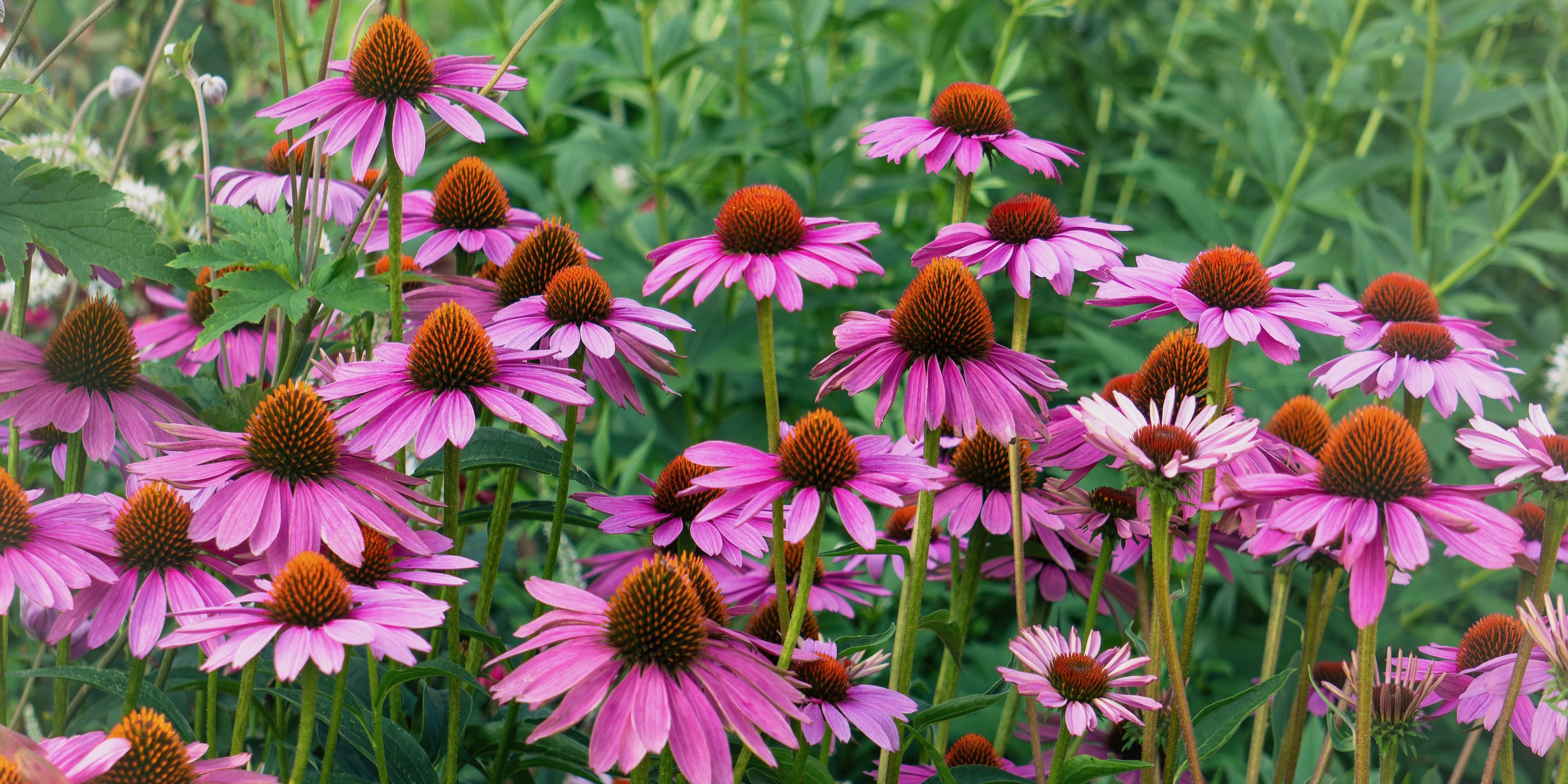
To effectively winterize Echinacea, also known as coneflower, it is important to take several steps that help protect the plant during the colder months. Although Echinacea is relatively hardy, proper winterization can enhance its chances of surviving winter and thriving in the spring.
Understanding Echinacea Hardiness
Echinacea species are generally hardy perennials, capable of surviving in USDA zones 3 to 9, depending on the specific variety. Understanding their hardiness is crucial for determining appropriate winter care. Here’s what to consider:
- Variety of Echinacea: Different species and cultivars have varying levels of cold tolerance.
- Local Climate: Assessing local weather patterns can inform the best practices for winter protection.
- Soil Health: Well-drained soil is essential for preventing rot during winter months.
Preparing Your Echinacea for Winter
Preparation for winter should begin in the fall. This includes cleaning up the garden and ensuring that the Echinacea plants are ready for the colder temperatures. Key preparation steps include:
- Pruning: Remove dead or diseased foliage to prevent pests and diseases.
- Mulching: Apply a thick layer of organic mulch around the base to protect the roots and retain moisture.
- Watering: Ensure plants are well-watered before winter to keep them hydrated during frost periods.
Mulching Techniques
Mulching is an essential step in winterizing Echinacea. It helps regulate soil temperature and provides insulation for the roots. Consider these techniques:
See also:
- Type of Mulch: Use organic mulches such as straw, shredded leaves, or bark to encourage beneficial microbes.
- Depth of Mulch: A layer of 2-4 inches is typically sufficient to provide adequate insulation.
- Application Timing: Apply mulch after the first hard frost, but before the ground freezes to maximize effectiveness.
Container Care for Echinacea
If Echinacea is grown in containers, additional steps are necessary to protect them from extreme temperature fluctuations. Here are some important considerations:
- Move Containers Indoors: If possible, bring containers indoors to a cool, bright spot.
- Insulate Pots: Wrap pots with burlap or use insulated pot covers to protect roots from freezing temperatures.
- Watering: Ensure pots do not dry out, as container plants can lose moisture more quickly in winter.
Monitoring for Pest and Disease
During winter, it’s essential to continue monitoring Echinacea for potential pest and disease issues, which can persist even in colder weather. Key tactics include:
- Routine Checks: Regularly inspect stems and soil for signs of rot or pests.
- Pest Control: If pests are noticed, consider using appropriate organic pest control methods before winter sets in.
- Spring Cleanup: Plan to clean up any debris in the spring to deter diseases from recurring.
Questions from Our Readers
Do Echinacea come back each year?
Echinacea are perennial plants, meaning they typically return each year. As long as they are in suitable conditions and properly cared for, these plants will regrow from their root system after the winter months.
How long do Echinacea plants live?
On average, Echinacea can live for about two to four years, although some varieties may last longer with proper care. Regular maintenance and care can help extend their lifespan and flowering potential.
What conditions do Echinacea need to thrive?
Echinacea thrives in well-drained soil and full sun, ideally receiving at least 6 hours of sunlight per day. Providing adequate drainage and not overwatering is crucial for their health and growth.
When should I cut back Echinacea?
It is generally recommended to cut back Echinacea in late fall or early spring after the danger of frost has passed. This helps to encourage new growth and maintain a healthy plant for the coming season.
See also:

If you want to read more articles like Do Echinacea Come Back Each Year? A Comprehensive Guide to Echinacea Perennials, we recommend you check out our Perennials category.
Leave a Reply
Related Articles