Can You Overdo Compost? Understanding the Risks and Benefits of Composting Excess
Composting is widely praised for its environmental benefits and ability to enhance soil health. However, as more individuals and communities embrace this sustainable practice, a crucial question arises: can you overdo compost? Understanding the balance between the benefits of composting and the potential risks associated with excessive compost production is essential for both novice and experienced gardeners. This article delves into the implications of composting more than what is manageable, exploring how it can impact soil composition, plant health, and the overall ecosystem. By examining these factors, we aim to provide guidelines for effective and responsible composting practices.
Can You Overdo Compost?
Yes, it is possible to overdo compost, which can lead to various issues such as odors, imbalanced nutrient levels, and slowed decomposition. When compost is overly saturated with nitrogen-rich materials, such as grass clippings or kitchen scraps, it can become too hot and anaerobic, resulting in unpleasant smells and nutrient loss. Additionally, excessive amounts of certain materials can create an imbalance in the carbon-to-nitrogen ratio, which is essential for the microbial activity that drives the composting process. To maintain a healthy compost pile, it is vital to achieve a balanced mix of green (nitrogen-rich) and brown (carbon-rich) materials, ensure proper aeration, and monitor moisture levels.
What Happens When You Overdo Compost?
When composting is overdone, especially with too much nitrogen, the pile can heat excessively, making it anaerobic. This condition promotes the growth of harmful bacteria, which can produce foul odors and inhibit the beneficial microbial processes essential for the breakdown of organic matter. Moreover, an overloaded compost pile might become compacted, restricting airflow and further exacerbating the anaerobic conditions. If left unchecked, this can lead to a complete breakdown failure and require the compost to be turned or aerated significantly to recover.
Signs of Overdone Compost
Indicators of overdone compost include a strong, unpleasant smell, often described as similar to rotten eggs or sewage, which signals anaerobic decomposition. Another sign is the presence of a slimy texture or the material sticking together, indicating too much moisture. Additionally, a lack of heat or a reduction in microbial activity can suggest that the compost is imbalanced. If you notice pest attraction, particularly from flies, it can also be a sign of too much green material in the mix.
Correcting Overdone Compost
To correct an overdone compost pile, start by increasing the amount of brown materials, such as dried leaves, straw, or shredded paper, which can help absorb excess moisture and balance the carbon-to-nitrogen ratio. Turning the pile to introduce more oxygen can also stimulate aerobic bacteria, helping to restore balance. If the pile is too wet, consider spreading the excess compost out in a thin layer to promote drying. Adding lime or agricultural gypsum can also help neutralize odors and improve compost structure.
Best Practices for Composting
To avoid overdoing compost, it is important to follow best practices such as maintaining a proper carbon-to-nitrogen ratio, ideally around 30:1, and regularly mixing or turning the pile to improve aeration. Keep your compost ingredients balanced by alternating layers of green and brown materials. Additionally, monitor moisture levels; the compost should feel like a damp sponge, neither too wet nor too dry. It is also beneficial to avoid adding bulky items that do not break down easily, such as meat or dairy products, which can cause odors and attract pests.
Benefits of Properly Managed Compost
When managed correctly, compost provides numerous benefits, including improved soil structure, enhanced nutrient content, and increased water retention in the soil. Furthermore, a well-maintained compost pile helps reduce organic waste in landfills, minimizing greenhouse gas emissions. It also fosters a thriving ecosystem in the garden by encouraging beneficial microorganisms and insects. Using your properly composted material can lead to healthier plants and increased crop yields.
| Aspect | Overdone Compost | Well-Balanced Compost |
|---|---|---|
| Odor | Strong, unpleasant | Earthy, fresh |
| Texture | Slimy, compacted | Fluffy, crumbly |
| Temperature | Too hot or cool | Warm |
| Aeration | Poor | Good |
| Decomposition Rate | Slow | Fast |
What happens if you put too much compost?

When too much compost is added to soil, several negative effects can arise that can compromise plant health and garden productivity. Compost, while beneficial, needs to be balanced with the existing soil to ensure that plants receive the necessary nutrients in proper amounts. Here are some potential consequences of overusing compost:
1. Nutrient Imbalance
Excessive compost can lead to a nutrient imbalance, where certain elements become overly concentrated. This may result in:
- High Nitrogen Levels: An overabundance of nitrogen can cause plants to grow too quickly, leading to weak stems and increased susceptibility to pests and diseases.
- Low Micronutrient Availability: Important micronutrients may be outcompeted or locked away, preventing proper plant development.
- Over-Fertilization Symptoms: Plants may show signs of stress, such as yellowing leaves or burned leaf edges, indicating nutrient overload.
2. Soil Structure Alteration
Application of excessive compost can significantly alter the soil structure over time. This can lead to:
- Poor Drainage: Too much compost can create a dense layer which prevents water from permeating through the soil effectively.
- Compaction: Heavy compost layers may lead to soil compaction, restricting root growth and limiting access to necessary water and nutrients.
- Soil Acidity Changes: Continuous addition of compost may alter the pH levels, making the soil more acidic than desired for particular plants.
3. Increased Weed Growth
A high volume of compost can inadvertently encourage weed growth due to its rich organic material. This may result in:
- Weed Seed Germination: Many composts contain viable weed seeds that can sprout quickly in a nutrient-rich environment.
- Competition with Plants: Weeds compete with garden plants for nutrients, light, and water, potentially stunting their growth.
- Increased Maintenance: More time and resources will be needed to manage weeds, detracting from overall garden enjoyment.
4. Fungal and Bacterial Issues
Overapplication of compost can lead to excessive fungi and bacteria in the soil, which may cause pathogen problems such as:
See also:
- Root Rot: Fungal pathogens thrive in overly wet compost, which can lead to root rot in plants.
- Soil Diseases: High levels of certain bacteria can foster diseases that attack the plant roots or foliage, compromising plant health.
- Odor Problems: Excess compost can produce unpleasant odors stemming from anaerobic decomposition if not managed correctly.
5. Financial and Resource Waste
Applying too much compost can be a waste of both financial investment and gardening resources because:
- Unnecessary Expense: Spending more on compost than needed can strain a gardening budget.
- Time and Effort: More effort is required to amend or correct issues caused by over-application, leading to diminished satisfaction.
- Plant Loss: The potential loss of plants due to nutrient stress or diseases from excessive compost can lead to further costs for replacement.
Is it possible to turn compost too much?
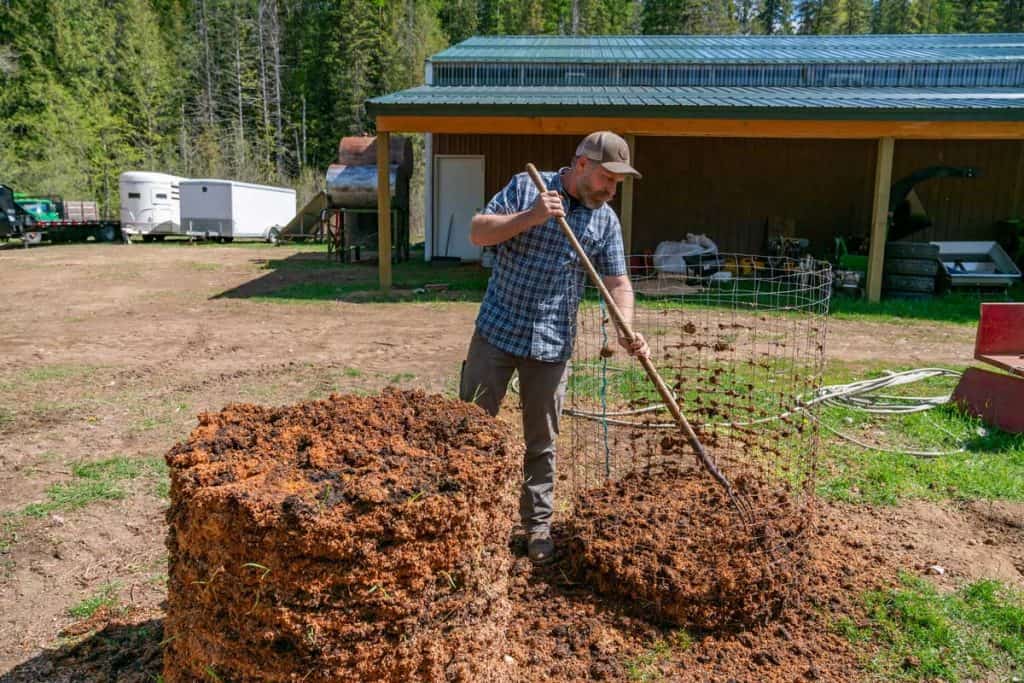
Turning compost is an essential part of the composting process, but it is possible to turn compost too much. Over-turning can disrupt the natural decomposition process and lead to a few potential issues. Let's explore this further.
Understanding Compost Turning
Turning compost involves aerating the pile to promote aerobic bacteria growth and evenly distribute moisture and temperature. While it is beneficial, excessive turning can have negative effects.
- Disruption of Microbial Activity: Frequent turning can disturb the microbial communities that are crucial for breaking down organic materials.
- Loss of Heat: Over-turning can cause the compost pile to cool down too quickly, which may be detrimental to thermophilic bacteria needed for effective decomposition.
- Decreased Oxygen Levels: While turning is meant to increase oxygen, too much disturbance can actually reduce the compactness of the materials, leading to low oxygen levels in some parts of the pile.
Signs of Over-Turning
Identifying if you are turning your compost too often can be determined by observing certain signs. Here are a few to look out for:
- Slow Decomposition: If the compost is breaking down slower than expected, it might be due to constant disturbances interrupting the decomposition cycle.
- Dry Pile: Overly agitated compost can dry out quickly, leading to insufficient moisture necessary for microbial activity.
- Foul Odors: A well-managed compost should have an earthy smell. Frequent turning can sometimes lead to anaerobic conditions, causing unpleasant smells.
Best Practices for Turning Compost
To maintain a healthy composting environment, follow these best practices for turning compost to ensure efficient breakdown of materials:
- Limit Frequency: Turn your compost pile every two to four weeks instead of every week to maintain proper moisture and temperature.
- Use a Compost Thermometer: Monitoring the temperature can help determine the right time to turn without disrupting the process too much.
- Observe Moisture Levels: Check for dryness; if the compost is consistently dry, it might need less turning and more moisture addition.
Impact on Compost Quality
Turning compost too frequently can negatively affect the overall quality of your compost. Here are some ways this can manifest:
- Inconsistent Texture: Over-turning can lead to a mushy texture or clumping, which may hinder further decomposition.
- Loss of Nutrients: Continual disturbance can result in nutrient loss, which diminishes the fertility of the finished compost.
- Contamination Risks: Excessive turning might also disturb the balance of carbon and nitrogen, potentially leading to contamination from unwanted materials.
When to Avoid Turning Compost
There are specific circumstances where turning should be minimized to allow for optimal microbial activity and decomposition:
- During Active Decomposition: If the compost is heating up and actively breaking down, it's best to leave it alone.
- When Moisture is Low: If the compost is dry, avoid turning until moisture levels are restored to support the aerobic process.
- In Cold Weather: Composting slows down in colder temperatures; turning may not be necessary and could hinder microbial activity.
Can you overmix compost?

Yes, you can overmix compost. While ensuring that compost materials are well-aerated and evenly broken down is crucial for effective composting, excessive mixing can have negative consequences on the composting process. Overmixing can disrupt the natural balance of microbial activity and can also lead to the loss of important nutrients, moisture, and heat, which are essential for decomposition.
What Happens When You Overmix Compost?
When compost is overmixed, it can lead to a disturbance in the microbial community. Each time you disturb the compost pile, you may inadvertently expose beneficial microbes to oxygen, which can lead to overheating and die-off. The result can be:
- Loss of nutrient availability
- Increased aeration, which may dry out the compost
- Reduced overall efficiency of decomposition
Signs of Overmixing in Compost
Identifying signs of overmixing is essential for maintaining a healthy compost pile. Some indicators include:
- Unpleasant odors due to anaerobic conditions.
- A dry and crumbly texture, indicating too much air exposure.
- Disruption in temperature stability, leading to cooling of the pile.
Best Practices for Mixing Compost
To avoid overmixing while ensuring proper aeration, consider these best practices:
See also:
- Mix compost every 2 to 4 weeks, rather than more frequently.
- Use a pitchfork or compost turner to mix only the outer layers thoroughly.
- Monitor moisture levels to maintain an ideal environment.
Balancing Aeration and Mixing in Composting
Achieving a balance between aeration and mixing is crucial. Here are some tips:
- Incorporate bulky materials like straw to enhance aeration without frequent mixing.
- Layer materials to create natural air pockets that enhance airflow.
- Use a compost thermometer to monitor temperature and adjust your mixing schedule accordingly.
Effects of Undermixing vs. Overmixing
Understanding the consequences of both undermixing and overmixing can help you optimize your composting process. The contrasts include:
- Undermixing can lead to compactness, causing poor airflow.
- Overmixing can result in nutrient loss and drying.
- Both can delay the decomposition process, impacting the timeframe for finished compost.
Can you let compost go too long?
Yes, compost can be left for an extended period, but there are several important factors to consider regarding its health and effectiveness. If compost is left too long, it can lead to potential issues such as nutrient depletion, unpleasant odors, and even undesirable pests. Here are some insights on the matter:
Understanding Composting Duration
Leaving compost to sit for too long can change its overall quality. Composting is a biological process that breaks down organic materials, which requires balance. If you do not turn or aerate it regularly, anaerobic conditions may occur, leading to problems. It's essential to monitor the compost's conditions to ensure they remain favorable for decomposition.
- Temperature Control: Excessive heat can lead to the death of beneficial microorganisms.
- Moisture Levels: Too much moisture can lead to anaerobic conditions.
- Aeration: Regular turning helps bring in oxygen, essential for composting.
Signs of Overdue Compost
When compost has been allowed to sit for too long, certain signs can indicate that it may be past its prime. Monitoring these physical cues will help you determine the status of your compost.
- Odor: A foul smell suggests anaerobic conditions and decomposition issues.
- Visible Layers: Layers of materials may separate, indicating a lack of mixing.
- Insect Infestation: An increase in pests could suggest the compost is breaking down improperly.
Potential Problems with Long-Term Composting
Long-term composting without proper maintenance can lead to various problems that hinder its effectiveness. These issues may affect not only the compost itself but also the environment around it.
- Nutrient Loss: Essential nutrients can be depleted if compost doesn’t have a good balance.
- Pest Attraction: Overripe compost can attract rodents and insects that you might not want in your garden.
- Pathogen Growth: If the compost becomes overly wet, it can promote harmful pathogen growth.
Best Practices for Maintaining Compost
To avoid problems associated with letting compost go too long, adhere to best practices that promote healthy composting. These steps ensure that your compost remains effective and nutrient-rich.
- Regular Aeration: Turn the compost every few weeks to introduce oxygen and promote decomposition.
- Check Moisture Levels: Maintain a balance; the compost should be moist but not soggy.
- Use a Compost Thermometer: Monitor the internal temperature to ensure effective microbial activity.
When to Use Your Compost
Knowing when your compost is ready for use is crucial. Recognizing the appropriate time to utilize your compost can enhance your gardening efforts.
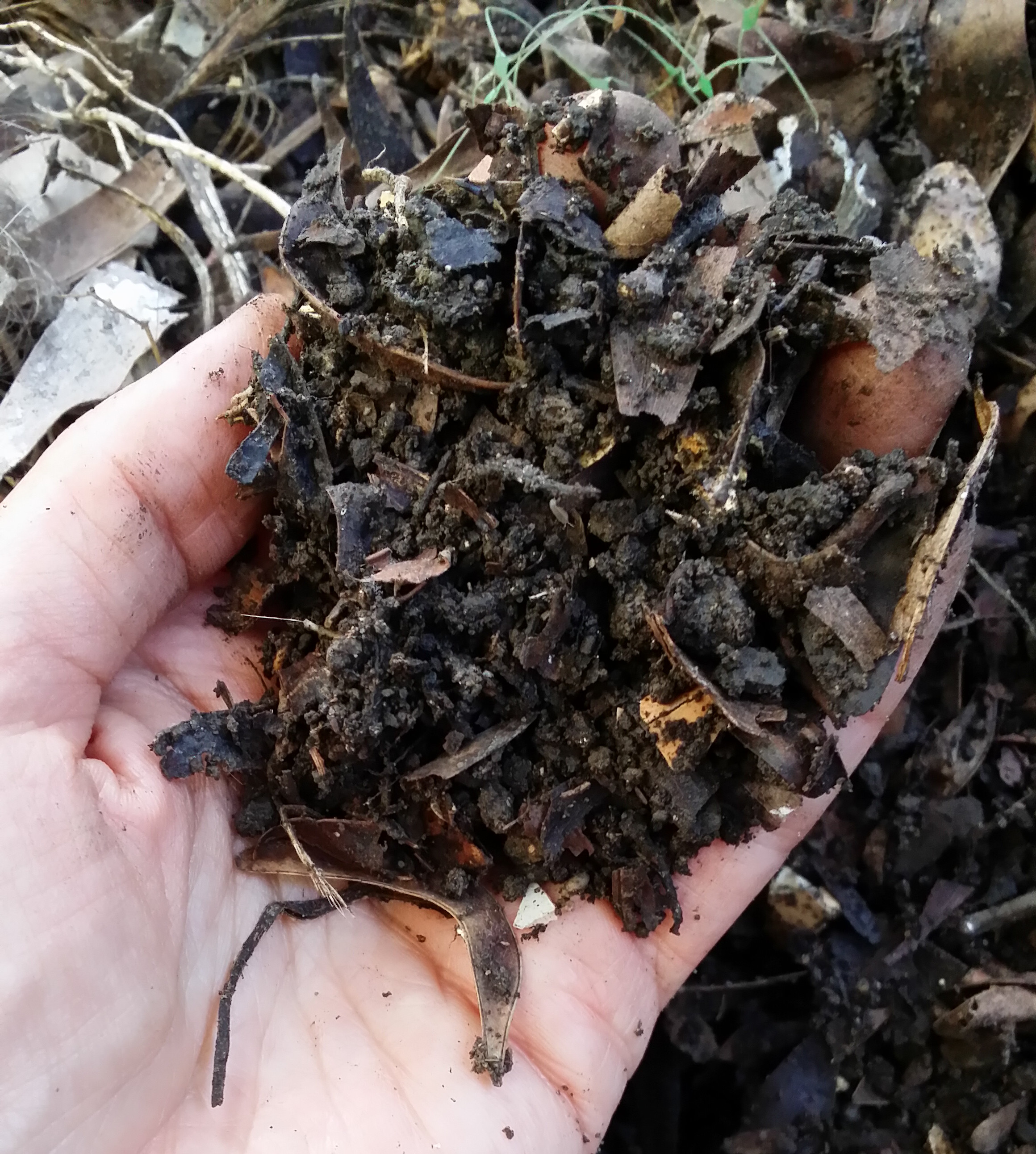
- Aged Appearance: Compost should look dark, crumbly, and rich in texture.
- Smell: A pleasant earthy smell indicates that it’s ready to enrich your garden.
- Temperature Drop: A significant decrease in temperature usually signals completion.
Questions from Our Readers
Can you overdo compost?
Yes, you can overdo compost if you add too much material or let it sit too long without turning it. This may lead to bad odors and attract unwanted pests. It's essential to maintain a balanced ratio of greens (nitrogen-rich materials) and browns (carbon-rich materials) to prevent this from happening.
What happens if you overdo compost?
When you overdo compost, the pile may become too compacted and anaerobic, resulting in poor decomposition and the production of unpleasant smells. Additionally, an imbalanced compost heap can hinder the growth of beneficial microorganisms crucial for breaking down organic matter.
How can I tell if my compost is overdone?
Signs that your compost is overdone include a foul odor, a lack of warmth in the pile, and a slow decomposition process. Visible pests or mold growth can also indicate that the composting conditions are not ideal and that you may need to adjust the material ratio or aerate the pile.
What should I do if my compost is overdone?
If your compost is overdone, start by aerating the pile by mixing in more browns to balance the nitrogen content. You can also add dry leaves or straw to help absorb excess moisture and improve airflow, which supports the growth of beneficial bacteria and accelerates the composting process.
See also:

If you want to read more articles like Can You Overdo Compost? Understanding the Risks and Benefits of Composting Excess, we recommend you check out our Compost category.
Leave a Reply
Related Articles