Can Saskatoon Berries Grow in Shade? The Ultimate Guide to Shade Gardening for Saskatoon Berries

Saskatoon berries, known for their sweet flavor and nutritional benefits, are a beloved fruit in many gardens. However, many gardeners question whether these resilient plants can thrive in shady conditions. This ultimate guide delves into the world of shade gardening specifically for Saskatoon berries, exploring their growth requirements, optimal conditions, and tips for successful cultivation. Whether you have a partially shaded garden or live in a cooler climate with limited sunlight, this article will provide valuable insights on how to grow these delicious berries, enhancing your garden's diversity and productivity. Discover how to make the most of your shade while enjoying a bountiful harvest.
Can Saskatoon Berries Thrive in Shaded Areas?
Saskatoon berries, known for their sweet flavor and nutritional benefits, can grow in shaded areas, but their growth and fruit production may be limited. While they are adaptable to various light conditions, these berries prefer full sun for optimal yield. When grown in partial shade, they might still survive but often produce fewer berries and have a slower growth rate compared to plants that receive ample sunlight. To enhance their productivity, it is advisable to plant Saskatoon berries in areas that receive at least six hours of direct sunlight daily.
Light Requirements for Saskatoon Berries
Saskatoon berries thrive best in full sunlight, needing around 6-8 hours of direct light daily for optimal growth. In shaded conditions, plants might not photosynthesize effectively, leading to weaker growth and reduced berry yield. However, they can tolerate some shade, particularly during the hottest part of the day, but consistently low light levels can hinder their overall health and production.
Effects of Partial Shade on Growth
When grown in partial shade, Saskatoon berries may continue to grow, but their fruit development can be significantly affected. The absence of adequate sunlight may result in fewer flowers, which translates to lower fruiting capacity. Furthermore, shaded areas can also promote disease and pests, as air circulation is often limited, compounding the issues faced by these plants.
Soil and Water Requirements
Regardless of the light conditions, Saskatoon berries require well-drained soil that retains moisture without becoming waterlogged. In shaded areas, it's important to monitor soil moisture levels closely, as the reduced evaporation rates can lead to overly wet soil conditions. Proper irrigation, along with mulching, can help maintain moisture levels and support healthier plants even in less than ideal lighting.
Companion Planting in Shaded Areas
If planting Saskatoon berries in shaded areas, consider companion planting with species that also thrive in partial shade. Options such as rhubarb or certain herbs can help create a supportive ecosystem, improving soil health and potentially offering some shelter if the berries are not receiving enough sunlight. These companions can also attract beneficial insects, promoting a healthier garden environment.
Optimal Growing Conditions for Maximum Yield
For the best results with Saskatoon berries, aim for a location that offers full sun exposure, adequate space for air circulation, and compatible soil conditions. While they can tolerate some shade, selecting a sunnier spot provides the best opportunity for robust growth and the highest possible yield of berries. If planting in slightly shaded spaces, be mindful of their light exposure to ensure they receive sufficient sunlight for thriving production.
| Condition | Ideal | Partial Shade |
|---|---|---|
| Light Exposure | 6-8 hours of sunlight | 3-5 hours of direct sunlight |
| Soil Type | Well-drained, moist | Requires monitoring for moisture |
| Yield | High production | Lower production |
| Growth Rate | Fast | Slower |
| Pest/Disease Exposure | Lower risk | Higher risk |
What berries thrive in shade?

Berries that thrive in shaded areas include a variety of species that can tolerate lower light conditions while still producing delicious fruits. Here are some of the most common berries that grow well in shade:
1. Blueberries: These plants can flourish in partial shade, particularly if they receive at least 4-6 hours of sunlight per day. Their soil should be acidic, which is ideal for growth in forested or wooded areas.
2. Blackberries: While they can tolerate some shade, it's best for blackberries to have a combination of sun and shade. They can prosper in areas with dappled sunlight, making them adaptable to different garden environments.
3. Raspberries: Similar to blackberries, raspberries appreciate some shade, especially in warmer climates. They do well in areas where they can escape the harsh afternoon sun.
4. Gooseberries: Gooseberry bushes are quite shade-tolerant and can produce fruit in low-light conditions. They thrive best in moist, well-drained soil and benefit from some protection against the wind.
5. Currants: Both red and black currants can grow well in partial shade. They are quite adaptable and can be successfully cultivated beneath trees or in other shaded locations.
Characteristics of Shade-Tolerant Berries
Shade-tolerant berries possess unique characteristics that allow them to survive and produce fruit without full sun exposure. These include adaptations in leaf structure and growth habits that optimize their ability to photosynthesize effectively under lower light conditions. Some of the primary characteristics are:
- Leaf Morphology: Many shade-tolerant plants have broader leaves to capture more sunlight.
- Slower Growth Rate: They often grow at a slower pace, which can be compensated for by a longer growing season.
- Fruit Production: They may yield smaller fruits in shadier conditions, but they can still be quite flavorful.
Planting and Care Tips for Shade Berries
When growing berries in shady conditions, proper planting and care are essential for successful yields. Here are some tips to improve the growth and fruiting potential of your shade berries:
- Soil Preparation: Ensure the soil is well-draining with the right pH level for the specific berry type.
- Watering: Maintain consistent moisture, as shaded areas can still dry out quickly despite lower sunlight.
- Mulching: Use organic mulch to retain moisture and suppress weeds, which may compete for nutrients.
Common Pests and Diseases in Shade Berries
Berries grown in shade can be susceptible to various pests and diseases, just like those in sunny environments. Here are some common issues you might encounter:
- Powdery Mildew: This fungal disease thrives in humid conditions, often found in shaded areas.
- Crown Gall: A bacterial infection that can affect the roots and stems of berry plants.
- Bird Damage: Birds are attracted to berries, making it important to protect your plants with netting or other deterrents.
Companion Planting with Shade Berries
Companion planting can enhance the growth and health of shade-tolerant berries by encouraging beneficial interactions between different plant species. Some effective companions include:
- Herbs: Plants like chamomile and basil can enhance flavor while attracting beneficial insects.
- Flowers: Marigolds can help repel pests and add beauty to your garden.
- Vegetables: Some root vegetables like carrots and onions can thrive alongside berries in shaded areas.
Harvesting and Storing Shade-Grown Berries
Harvesting berries that thrive in shade should be done carefully to ensure the best quality fruit. Here are some methods for effectively harvesting and storing these berries:
- Timing: Harvest berries when they are fully ripe for maximum sweetness and flavor.
- Gentle Handling: Avoid crushing the berries by handling them gently during the harvesting process.
- Storage: Store harvested berries in the refrigerator; for longer preservation, consider freezing them to maintain quality.
Do Saskatoon Serviceberries like sun or shade?
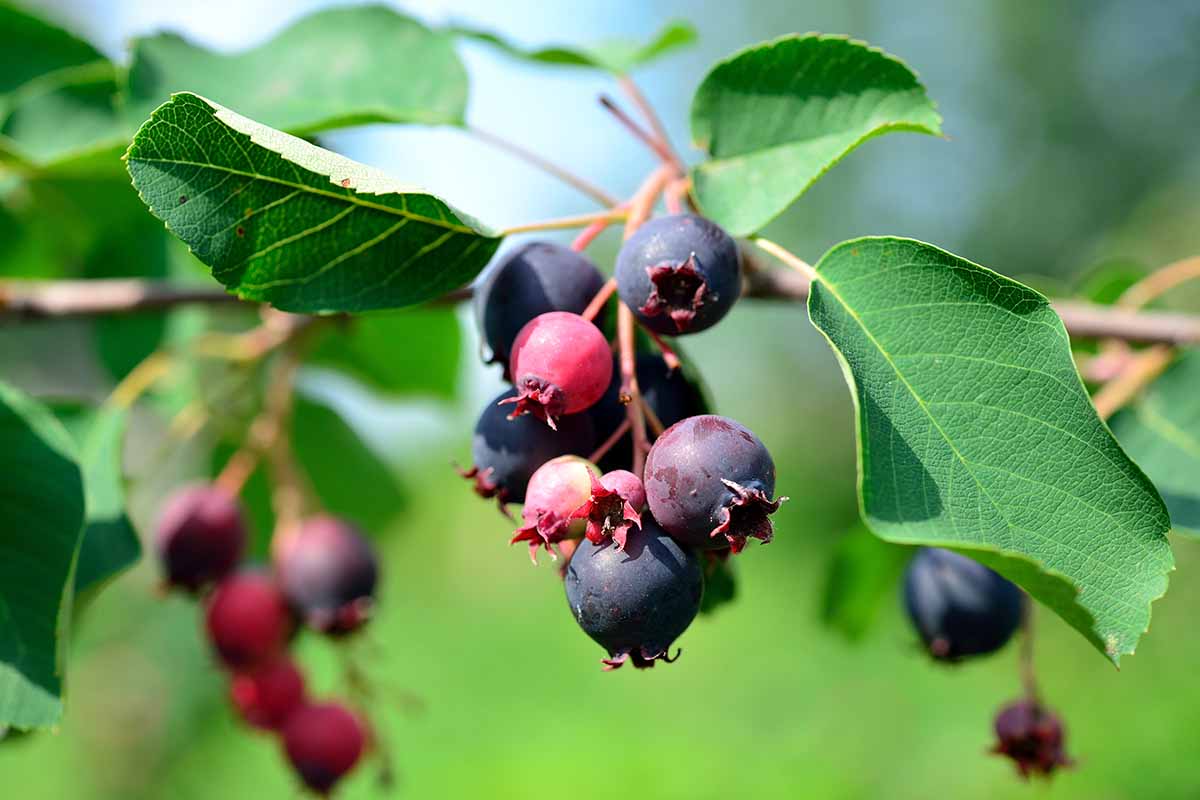
Saskatoon serviceberries, known scientifically as Amelanchier alnifolia, thrive best in full sun conditions. While they can tolerate some partial shade, their growth, flowering, and fruit production are significantly enhanced when they receive plenty of direct sunlight. Ideally, these plants should receive at least 6 to 8 hours of sunlight each day. When planted in sunny locations, serviceberries are more vigorous, producing larger fruits and maintaining a healthier overall appearance.
Optimal Sunlight Requirements
Saskatoon serviceberries flourish in full sun environments, where they can soak up substantial sunlight. Here are key points about their sunlight requirements:
- 6-8 hours of sunlight: Aim for at least this amount each day for best results.
- Sunlight exposure: Direct sun promotes better growth, flowering, and fruiting.
- Shade tolerance: While they can handle some shade, avoid areas with heavy canopy coverage.
Effects of Full Sun on Growth
When Saskatoon serviceberries receive full sun, their growth patterns change positively. The exposure to sunlight:
- Encourages rapid growth: The more sun, the faster the plants grow.
- Increases fruit production: Direct sunlight is essential for fruit-setting and ripening.
- Prevents diseases: Better air circulation and reduced humidity levels help to deter fungal issues.
Impact of Shade on Serviceberry Performance
While Saskatoon serviceberries can survive in shaded areas, their performance can be compromised. Here’s how shade impacts them:
- Stunted growth: Insufficient sunlight results in slower growth rates.
- Reduced flowering: Flowering and subsequent fruiting may be limited in shaded conditions.
- Increased vulnerability: Plants may become more susceptible to pests and diseases in shaded settings.
Planting Tips for Saskatoon Serviceberries
To ensure optimal growth and fruiting of Saskatoon serviceberries, consider these planting tips:
- Choose a sunny location: Select a site that receives ample sunlight throughout the day.
- Soil well-draining: Ensure the soil has good drainage to avoid root rot.
- Spacing: Provide adequate space between plants to prevent overcrowding and allow for air circulation.
Long-Term Care for Sunlight Exposure
Proper long-term care will enhance the health and productivity of Saskatoon serviceberries, particularly with respect to their sunlight needs:
- Regular pruning: Helps to maintain shape and allows sunlight to reach all parts of the plant.
- Watering adequately: Keep the soil moist, especially in sunny areas, but avoid waterlogging.
- Monitor soil nutrients: Ensure nutrient levels support healthy growth in sunny locations.
Where is the best place to plant Saskatoon berries?
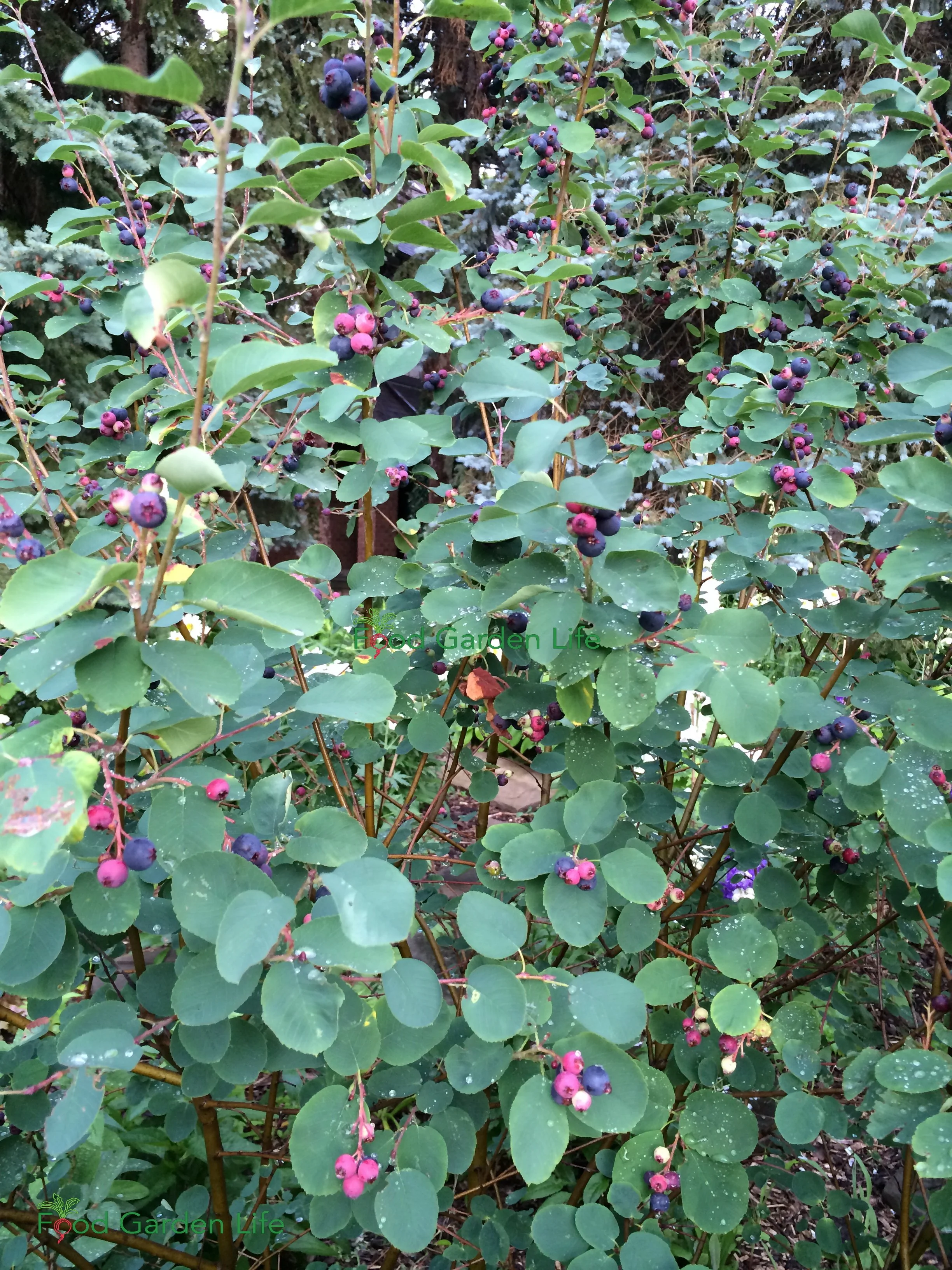
The best place to plant Saskatoon berries is in an environment that mimics their native habitat, which is typically found in the northern regions of North America. Here are some key considerations for selecting the ideal location:
1. Sunlight: Saskatoon berries thrive in full to partial sunlight. Ideally, they require at least 6 hours of sunlight each day. This exposure enhances fruit production and overall plant health.
Optimal Sunlight Exposure
Saskatoon berries need a significant amount of sunlight to produce abundant fruit. The more sunlight they receive, the better the fruit yield. Here are key points to consider about sunlight exposure:
- They prefer full sun for at least 6 hours daily.
- Partial shade can be tolerated, but yields may be lower.
- A south-facing slope can help maximize sunlight exposure.
2. Soil Type: These plants prefer well-drained, sandy loam soil rich in organic matter. Good drainage is essential to prevent root rot, which can occur in overly saturated soils.
Soil Requirements
The choice of soil plays a crucial role in the health of Saskatoon berries. Understanding soil characteristics can improve fruit production:
- Soil should be sandy loam, providing a balance of drainage and moisture retention.
- Organic matter enhances soil fertility and structure.
- pH levels should ideally be between 5.5 and 7.0 for optimal growth.
3. Climate Considerations: Saskatoon berries are well-suited to regions with cold winters and warm summers. They are hardy and can withstand temperatures as low as -40°F (-40°C).
Climate Requirements
Understanding the climate conditions necessary for Saskatoon berries can help in choosing the right planting location:
- They thrive in USDA hardiness zones 2 through 6.
- Plants can tolerate cold winters, necessary for dormancy.
- Warm summers help in flowering and fruiting processes.
4. Watering Needs: Although Saskatoon berries are drought-tolerant once established, they benefit from regular watering, especially during dry spells.
Watering Considerations
Proper watering routines are crucial for the growth of Saskatoon berries. Here are the best practices for watering:
- Water deeply once a week during dry periods.
- Avoid waterlogging, as it can damage roots.
- Mulching can help retain soil moisture and regulate temperature.
5. Spacing and Planting Arrangement: When planting Saskatoon berries, it's important to consider their spacing to ensure proper airflow and sunlight penetration.
Planting Arrangement
The way you arrange your plants can impact their growth and fruit quality. Consider these factors when planting:
- Space plants about 4 to 6 feet apart for adequate airflow.
- Rows should be arranged to maximize sunlight exposure.
- Intercropping can help in pest management and soil health.
How many hours of sun do berries need?

Berries typically require 6 to 8 hours of sunlight each day for optimal growth and fruit production. Sunlight is essential for the photosynthesis process, which allows the plants to convert sunlight into energy. Insufficient sunlight can lead to poor fruit development, lower yields, and increased susceptibility to diseases. Adapting berry plants to their specific sunlight needs can enhance their health and productivity.
Understanding Berry Plant Varieties
Each type of berry has different sunlight requirements, which can be influenced by their genetic makeup and growing conditions.
- Strawberries: These plants thrive with around 6 to 8 hours of direct sunlight.
- Blueberries: Require full sun, ideally 6 to 8 hours, to develop sweet and flavorful berries.
- Raspberries: Prefer full sun also, needing 6 to 8 hours for optimal growth and fruiting.
Impact of Insufficient Sunlight
Lack of adequate sunlight can hinder the growth and health of berry plants, leading to various problems.
- Reduced Fruit Yield: Plants may produce fewer berries when light is limited.
- Poor Fruit Quality: Berries may be smaller and less sweet without enough sunlight.
- Increased Disease Risk: Insufficient sunlight can lead to weakened plants that are more susceptible to diseases.
Optimal Planting Locations
Choosing the right location is crucial for ensuring your berry plants receive adequate sunlight.
- South-Facing Areas: Locations that receive maximum sunlight throughout the day are ideal.
- Avoid Shady Spots: Do not plant berries under trees or other structures that cast shadows.
- Consider Climate: In cooler climates, maximizing sunlight exposure is even more critical for growth.
Seasonal Changes
Sunlight availability can change with the seasons, impacting berry growth and care.
- Longer Days in Summer: Ensure the plants receive full sun during the summer months to maximize yield.
- Preparing for Winter: Understand that shorter days in winter will affect berry growth and plan accordingly.
- Adjusting Care Routines: Monitor sunlight changes and adjust watering and fertilization routines based on the season.
Additional Tips for Growing Berries
There are several additional strategies to enhance berry growth related to sunlight and plant care.
- Mulching: Use organic mulch to retain moisture and regulate soil temperature.
- Pruning: Regularly prune berry plants to promote airflow and better sunlight penetration.
- Support Structures: Employ trellises for trailing varieties to enhance sunlight exposure and air circulation.
Questions from Our Readers
Can Saskatoon berries grow in full shade?
Saskatoon berries prefer full sun for optimal growth and fruit production, but they can tolerate some shade. However, in full shade, their growth may be stunted, and the yield could be significantly reduced.
What level of shade can Saskatoon berries tolerate?
Saskatoon berries can generally tolerate partial shade, especially in the afternoon, which may help prevent damage from excessive heat. Ideally, they should receive at least 4 to 6 hours of direct sunlight each day for the best results.
How does shade affect the growth of Saskatoon berries?
Shade can lead to weaker plants and reduced fruit quality in Saskatoon berries. Without sufficient sunlight, the plants may produce fewer flowers and berries, resulting in a less productive harvest.
Can I grow Saskatoon berries in a shaded garden area?
While it is possible to grow Saskatoon berries in a shaded garden area, it's important to ensure they receive adequate light. If possible, choose a location that gets morning sun or some dappled light throughout the day to enhance their chances of thriving.

If you want to read more articles like Can Saskatoon Berries Grow in Shade? The Ultimate Guide to Shade Gardening for Saskatoon Berries, we recommend you check out our Berries category.
Leave a Reply
Related Articles