Can Hair be Put in Compost? Discover the Benefits and Tips for Composting Hair
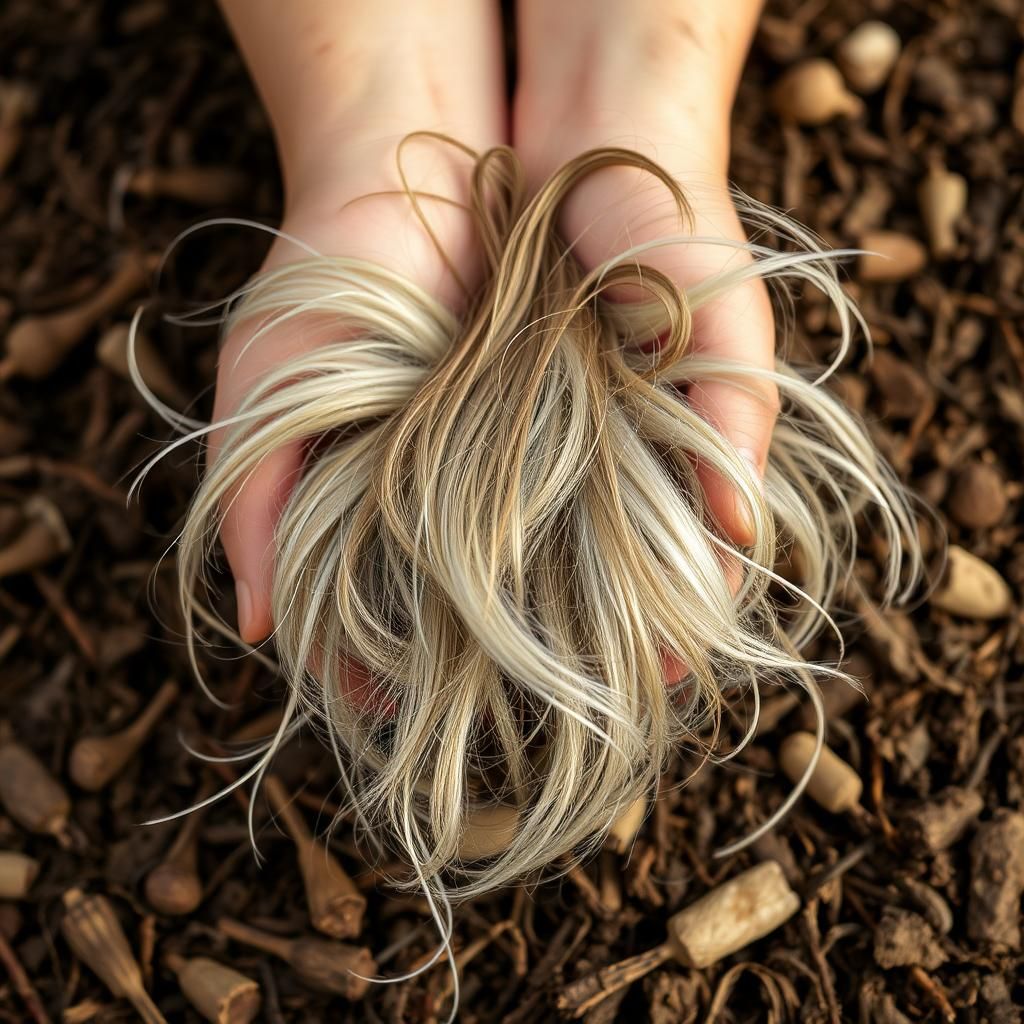
When it comes to composting, many materials are considered valuable, but hair often remains overlooked. As a natural organic matter, hair can play a significant role in enriching compost and improving soil health. This article explores whether hair can be included in your compost pile and highlights its benefits, such as adding nitrogen and enhancing microbial activity. Additionally, we provide practical tips on how to effectively incorporate hair into your composting routine. Whether you’re an experienced composter or just starting, understanding the role of hair in compost can help you create a more sustainable and nutrient-rich garden.
Can Hair Be Put in Compost?
Yes, hair can be put in compost, and it is actually a beneficial addition to your compost pile. Rich in nitrogen, hair is a brown material that can help balance the carbon-rich components in your compost, promoting healthy decomposition. When adding hair to compost, it's important to chop it into smaller pieces to prevent matting, which can hinder the airflow needed for effective composting. Additionally, hair takes a long time to decompose, so mixing it with other organic materials is essential to create a more balanced compost mix.
The Nutritional Value of Hair in Compost
Hair is primarily composed of keratin, a protein that provides a valuable source of nitrogen for microbes during the composting process. This protein is crucial because it helps promote microbial activity, which is vital for breaking down other organic matter in the compost. Given the slow decomposition rate of hair, its long-term presence in the compost can continually enrich the soil over time, contributing to plant health once the compost is used in gardening.
How to Prepare Hair for Composting
To effectively compost hair, it is recommended to cut it into smaller lengths of about one to two inches. This minimizes the chance of it clumping together, which can restrict airflow and lead to anaerobic conditions, resulting in unpleasant odors. Additionally, mixing hair with other carbon-rich materials, such as straw, leaves, or cardboard, can help create a balanced compost mix that will decompose efficiently and produce high-quality compost.
Benefits of Using Hair in Your Compost
Using hair in your compost pile has several benefits. Not only does it add valuable nitrogen, but it can also improve soil structure when the compost is eventually applied to gardens. The presence of hair contributes to a richer nutrient profile in compost, which promotes healthy plant growth. Moreover, hair can help retain moisture within the compost pile due to its ability to hold water, making it easier to maintain the optimal moisture level for effective decomposition.
Potential Concerns When Composting Hair
While composting hair has numerous benefits, there are some potential concerns to consider. Hair that comes from sources treated with chemicals or dyes may introduce unwanted substances into your compost. Furthermore, hair can attract certain pests if not properly managed, so it's advisable to mix it well with other materials to deter animals like rodents. Lastly, the slow decomposition of hair might result in a longer timeframe before the compost is ready for use, requiring patience from the gardener.
Alternatives to Hair in Compost
If you prefer not to compost hair for any reason, there are several alternatives that can provide similar benefits without the concerns associated with hair. Organic materials such as green manure, plant clippings, and kitchen scraps can all serve as excellent nitrogen sources. Additionally, adding coffee grounds or blood meal can effectively increase nitrogen levels in your compost. These alternatives can be decomposed more quickly, ensuring that your compost is nutrient-rich in a shorter time frame.
| Material | Nitrogen Content | Decomposition Rate |
|---|---|---|
| Hair | High | Slow |
| Coffee Grounds | High | Fast |
| Green Manure | Moderate | Moderate |
| Plant Clippings | Moderate | Fast |
| Blood Meal | Very High | Fast |
Can I put human hair in compost?

Yes, you can put human hair in compost. Human hair is a good source of nitrogen, which is one of the essential nutrients that plants need for healthy growth. It decomposes slowly, adding organic matter to your compost pile. However, there are some considerations to keep in mind regarding its use.
Benefits of Adding Human Hair to Compost
Adding human hair to your compost pile can offer several benefits:
See also:
- Nitrogen Source: Hair is rich in nitrogen, which helps boost the fertility of the compost.
- Slow Decomposition: Hair decomposes slowly, which can benefit the overall nutrient release in the compost.
- Microbial Activity: The presence of hair can stimulate microbial activity, enhancing the composting process.
How to Prepare Human Hair for Composting
Before adding human hair to your compost, it’s important to prepare it properly:
- Cut into Small Pieces: Shorter strands of hair will compost more easily than long ones.
- Mingle with Other Materials: Mix hair with brown materials (like dry leaves) and green materials (like kitchen scraps) for balanced compost.
- Avoid Excessive Use: Use hair in moderation to prevent smell and ensure that it mixes well with other compost ingredients.
Potential Drawbacks of Composting Human Hair
While hair has benefits, there are some potential drawbacks to consider:
- Slow Breakdown: Hair takes a long time to decompose, which could slow down the composting process.
- Pests: Hair can attract pests if not mixed thoroughly with other compost materials.
- Contamination Risks: If the hair originates from a person with certain conditions treated with chemicals, those could enter the compost.
Best Practices for Composting Human Hair
To ensure that composting human hair is effective, follow these best practices:
- Mix Well: Ensure hair is integrated sufficiently into the compost pile rather than clumping together.
- Add Carbon-Rich Materials: Incorporate materials high in carbon to create a balanced compost mix.
- Monitor the Compost: Keep an eye on moisture and temperature to facilitate decomposition.
Alternative Uses for Human Hair
If you choose not to compost human hair, there are alternative uses:
- Natural Fertilizer: Use hair directly around plants, as it gradually releases nitrogen.
- Gardening Mulch: Layer hair in garden beds to deter pests and enrich the soil.
- Craft Projects: Use hair in crafts or jewelry making, as some people do with animal hair.
Why is hair not compostable?
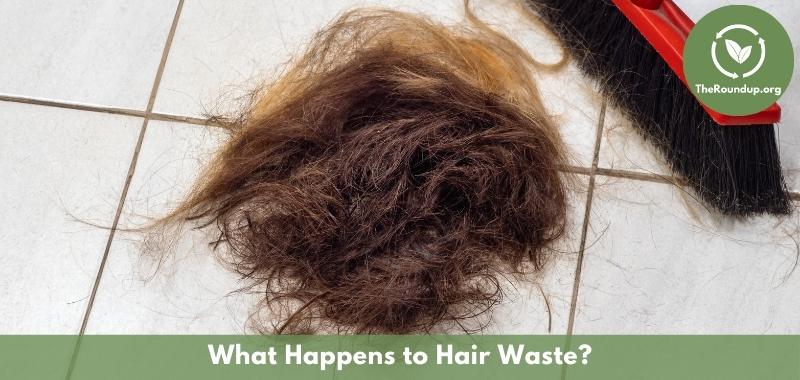
Hair is often deemed non-compostable primarily due to its unique structural composition and properties. While it is a natural substance, hair consists mainly of keratin, a fibrous protein that is highly resistant to degradation. This resistance poses several challenges to the composting process, making hair a less suitable material for composting compared to other organic waste.
The Composition of Hair
Hair is primarily made up of a protein called keratin, which is tough and difficult for microbes to break down. The molecular structure of keratin makes it:
- Highly stable: Keratin can take years to decompose under normal conditions.
- Resilient to bacteria: Many composting microorganisms struggle to effectively digest keratin.
- Low in nutrients: Unlike other compostable materials, hair does not contribute beneficial nitrogen or carbon to the soil.
Decomposition Rate
The decomposition rate of hair is notably slow, which can impact compost quality. Unlike other organic materials that break down quickly, hair:
- Takes years: It can take 1 to 2 years for hair to fully biodegrade.
- Disrupts compost balance: Its slow breakdown can cause an imbalance in the compost pile.
- Can become a contaminant: Lingering hair may lead to a less aesthetically pleasing compost mix.
Impact on Soil Health
Although hair can eventually be broken down, its impact on soil health is often negative during the composting process. When included in compost, hair:
- Does not enrich soil: Unlike traditional compost materials, it lacks vital nutrients.
- Attracts pests: Decomposing hair may attract unwanted insects and rodents to compost piles.
- May lead to odor issues: The slow decomposition can sometimes produce unpleasant smells.
Alternatives to Composting Hair
Instead of composting, there are other methods to utilize hair that can be more effective. Some alternatives include:
See also:
- Biodegradable hair mats: Used in gardens to control weeds and promote moisture retention.
- Wool reusable items: Hair can be spun and used for various sustainable practices.
- Animal bedding: Some expand their use of hair in agricultural settings.
Environmental Considerations
Understanding the environmental considerations surrounding hair disposal is crucial. Hair might not be compostable, but its management in the ecosystem includes:
- Waste reduction: Finding uses for hair can contribute to overall waste reduction efforts.
- Utilizing natural fibers: Promoting a cycle where hair is reused in sustainable ways.
- Educating others: Raising awareness about the challenges hair poses can improve compost practices.
What are the two things that should not be put into your compost?

When it comes to composting, ensuring the right materials are included is crucial for creating nutrient-rich compost. Two primary categories of materials that should never be added to your compost pile are meat and dairy products, and oils and fats.
Meat and Dairy Products
Meat and dairy products can introduce various problems into your composting system. These items can attract pests such as rodents and raccoons, making your compost pile a nuisance. Additionally, they can lead to unpleasant odors due to the decomposition process.
- Pest Attraction: The aroma of decomposing meat and dairy can attract unwanted animals.
- Odor Issues: These products can emit foul smells as they break down, making composting less pleasant.
- Pathogen Risk: Meat and dairy may harbor diseases and pathogens that are not destroyed in a typical composting process.
Oils and Fats
Adding oils and fats is another common mistake in composting practices. These substances hinder the composting process and can prevent other materials from properly decomposing.
- Clogs Air Flow: Oils can coat organic materials, reducing air circulation within the compost pile.
- Slow Decomposition: Fats are not easily broken down, leading to a slower composting process overall.
- Unpleasant Smells: Like meat and dairy, oils can create bad odors while decomposing, which can be off-putting.
Why Balance is Key
Maintaining a good balance of materials is essential for healthy compost. Avoiding problematic items like meat, dairy, oils, and fats helps to preserve this balance and allows for effective decomposition.
- Carbon-Nitrogen Ratio: Proper compost relies on a balanced carbon to nitrogen ratio, which oily or fatty foods disrupt.
- Aerobic Microorganisms: Healthy composting requires the presence of aerobic microorganisms, which become hindered by excessive oils.
- Ideal Temperature: Maintaining the right temperature for composting can be thrown off by the addition of inappropriate materials.
Alternatives to Composting
Instead of composting meat, dairy, oils, and fats, consider other disposal methods that are more appropriate for these items. These alternatives can help manage waste effectively while keeping your compost clean and healthy.
- Food Waste Disposal: Consider using municipal food waste programs where available, as these are often equipped to handle meat and dairy.
- Trash Bins: In many cases, simply putting these items in the trash is a viable option.
- Animal Feed: Certain meats and dairy may be suitable for pets, so always explore other options before discarding.
Best Practices for Composting
Following best practices in composting can greatly enhance the quality of your compost. Avoiding specific items and focusing on the right kinds of organic materials is essential.
- Use Plant-Based Waste: Stick to fruits, vegetables, coffee grounds, and other plant materials that decompose quickly.
- Maintain Moisture: Ensure your compost pile remains moist, but not overly wet, to promote proper decomposition.
- Turn it Regularly: Aerate your compost by turning it regularly to maintain a balance of oxygen and contribute to effective breakdown.
Questions from Our Readers
Can hair be put in compost?
Yes, hair can be composted as it is a natural organic material. When added to compost, it breaks down slowly and contributes to the overall nutrient content of the compost pile.
Is human hair better than animal hair for composting?
Both human hair and animal hair can be composted, but they have different nutrient profiles. Human hair may have a higher concentration of nitrogen, making it a beneficial addition to your compost.
See also:
How should I prepare hair for composting?
To prepare hair for composting, it is best to cut it into smaller pieces to speed up the decomposition process. You can also mix it with other compost materials to ensure an even breakdown.
What are the benefits of composting hair?
Composting hair adds valuable nitrogen to your compost while also supporting the microbial activity needed for healthy decomposition. This can enhance the quality of the finished compost, making it richer in nutrients for your plants.

If you want to read more articles like Can Hair be Put in Compost? Discover the Benefits and Tips for Composting Hair, we recommend you check out our Compost category.
Leave a Reply
Related Articles