Are Zinnias Perennials or Annuals? A Comprehensive Guide to Understanding Zinnia Lifecycles

Zinnias are vibrant, colorful flowers that have become a favorite among gardeners and flower enthusiasts. However, many people wonder whether these stunning plants are perennials or annuals. Understanding the lifecycle of zinnias is essential for proper care and cultivation, as it influences everything from planting time to maintenance practices. This comprehensive guide will delve into the characteristics of zinnias, exploring their growth habits, seasonal behavior, and what gardeners can do to maximize their blooming potential. Whether you’re an experienced gardener or a beginner, this article will provide valuable insights into the world of zinnias and their fascinating lifecycle.
Are Zinnias Perennials or Annuals?
Zinnias are universally regarded as annuals, meaning they complete their life cycle within a single growing season, typically germinating in spring, blooming throughout summer, and dying off with the onset of frost in fall. They are known for their vibrant colors and long-lasting flowers, making them a popular choice for gardens and floral arrangements. Although zinnias are usually not perennials, some species may behave like perennials in warmer climates where they can survive mild winters. Gardeners often treat them as annuals, replanting them each year to enjoy their colorful and hearty blooms during the warm months.
Characteristics of Annual and Perennial Plants
Annual plants are those that complete their life cycle in one year, while perennial plants live for multiple years, developing roots and structures over time to survive across seasons. Zinnias, being classified as annuals, will sprout from seeds, flower, produce more seeds, and then die all within one growing season. On the other hand, perennials return each year from their root systems, providing a sustainable cardiovascular system of growth and blooms.
Growing Conditions for Zinnias
Zinnias thrive in full sunlight and well-drained soil, making them ideal for gardens that receive ample light throughout the day. They require consistent watering but should be monitored to avoid over-saturation, which can lead to root rot. The optimal temperature for zinnias ranges from 70°F to 90°F, and they genuinely flourish when planted after the last frost of spring, making their annual life cycle perfectly adapted to warm climates.
Replanting Zinnias Each Year
Since zinnias are considered annuals, they must be reseeded every year to enjoy their bright blooms. While they can reseed themselves in favorable conditions, gardeners often prefer to sow new seeds to ensure the best variety and health of blooms. Starting seeds indoors or purchasing young plants from garden centers allows gardeners to extend the bloom season by getting a jumpstart on spring planting.
Differences in Species of Zinnias
There are several species of zinnias, including Zinnia elegans and Zinnia angustifolia. While most zinnias are annuals, some variants, particularly Zinnia angustifolia, can sometimes be treated as perennials in warm climates due to their ability to survive milder winters. Each species offers different characteristics in terms of size, shape, and color, with certain types being bred specifically for cut flowers or garden displays.
Care Tips for Zinnias
To ensure healthy growth, zinnias benefit from fertilization during their active growth phase, especially when blooming begins. Deadheading, or the process of removing spent flowers, encourages more blooms and keeps the plants looking fresh. Additionally, maintaining proper spacing between plants allows for adequate air circulation, minimizing the risk of disease and promoting healthy growth.
| Type | Life Cycle | Planting Schedule |
|---|---|---|
| Zinnias | Annual | Spring |
| Perennials | Multiple Years | Varies |
Can zinnias come back every year?
:strip_icc()/Zinnias-BCyb0YBhqDh9-MJJ79kSzJ-cc246aa0cd1c4e0098a64d58c2ddc848.jpg)
Zinnias are popular garden flowers known for their vibrant colors and long-lasting blooms. However, whether they can return every year depends on the specific type of zinnia. Most commonly grown zinnias, such as Zinnia elegans, are annuals, which means they complete their life cycle in one growing season and do not return the following year without reseeding. Here are some key points regarding the zinnia's life cycle and care:
Understanding Zinnia Species
Zinnias come in various species, and their ability to return each year varies.
- Zinnia elegans: The most commonly cultivated variety, it is an annual and does not come back.
- Zinnia angustifolia: This is another species that can behave like a perennial in warmer climates but is typically treated as an annual.
- Hardy Perennials: Some garden practices may allow zinnia-like plants to return, but these are usually not true zinnias.
Environmental Factors
The growth and return of zinnias can be influenced by various environmental conditions.
- Climate: In mild climates, zinnias may reseed and sprout the following year, depending on the weather.
- Soil Conditions: Well-draining soil increases the chances of successful reseeding.
- Watering Practices: Consistent watering helps annual plants complete their lifecycle but doesn't ensure perennation.
Care and Maintenance Tips
To promote the best growth during their season, follow these care tips.
- Deadheading: Regularly remove spent blooms to encourage more flowers and vigorous growth.
- Fertilization: Apply a balanced fertilizer during the growing season to enhance flowering.
- Weeding: Keep the area clear of weeds to reduce competition for nutrients and water.
Reseeding Practices
Prepared gardeners can improve the chances of zinnias returning through proper reseeding techniques.
See also:
- Leave Seed Heads: Allowing the flowers to go to seed increases the likelihood of natural reseeding.
- Collecting Seeds: You can collect seeds from healthier plants to directly sow in the next planting season.
- Covering Seeds: Lightly covering seeds with soil can help protect them and encourage germination.
Alternatives to Zinnias for Perennial Gardens
If you are specifically looking for perennial flowers, consider these alternatives.
- Black-eyed Susans: These are hardy perennials known for their bright yellow petals.
- Echinacea (Coneflowers): These resilient flowers can thrive and return each year.
- Daylilies: Known for their resilience, daylilies offer a range of colors and textures for perennial gardens.
Which zinnias are perennials?
The zinnias that are considered perennials are typically not the common garden varieties that most people grow, which are usually annual. However, one notable species that behaves as a perennial in certain climates is Zinnia angustifolia. In warmer regions where the conditions are suitable, some zinnias can survive for more than one season, providing vibrant blooms year after year.
Characteristics of Perennial Zinnias
Perennial zinnias, such as Zinnia angustifolia, have distinct characteristics that set them apart from their annual counterparts. They tend to have a more rugged foliage and can withstand harsher conditions.
- Longer Lifespan: Unlike annual zinnias that complete their life cycle in one year, perennial zinnias can live for several years.
- Drought Resistance: Perennial zinnias often have higher drought tolerance, allowing them to thrive in less-than-ideal soil moisture.
- Habitat Adaptation: They can adapt to various habitats, including poor soil, which adds to their resilience.
Growing Conditions for Perennial Zinnias
Understanding the growing conditions necessary for perennial zinnias is crucial for successful cultivation. These plants thrive in warm, sunny environments and require well-drained soil.
- Sunlight: Perennial zinnias require at least six hours of direct sunlight each day for optimal growth.
- Soil Type: Well-draining sandy or loamy soil is the best choice to prevent root rot.
- Watering: Regular watering helps, especially during dry spells, but the soil should not become waterlogged.
Propagation Methods for Perennial Zinnias
There are several methods to propagate perennial zinnias, which include seeds and cuttings, enabling gardeners to expand their plant collection effectively.
- Seeds: Collect seeds from the spent flowers after blooming, allowing them to dry before storing.
- Cuttings: Take cuttings from healthy plants in early spring to encourage new growth.
- Division: Divide established plants every few years to maintain vigor and support growth.
Common Uses of Perennial Zinnias
Perennial zinnias are versatile plants that can be utilized in a variety of landscaping settings, enhancing both beauty and ecology.
- Border Plants: They are excellent for creating colorful borders in gardens.
- Pollinator Gardens: Their flowers attract pollinators like bees and butterflies, making them ideal for eco-friendly gardens.
- Cuts for Arrangements: Their long stems and vibrant colors make them popular choices for cut flower arrangements.
Varieties of Perennial Zinnias to Consider
While Zinnia angustifolia is the primary perennial zinnia, there are other varieties recognized for their hardiness and vibrant colors that gardeners can explore.
- Zinnia haageana: Known for its unique flowers and resilience in drought conditions.
- Zinnia marylandica: Offers a range of colors and maintains a compact form, ideal for small spaces.
- Zinnia linearis: Features narrow, linear leaves and is known for its drought resistance.
Can I just scatter zinnia seeds?
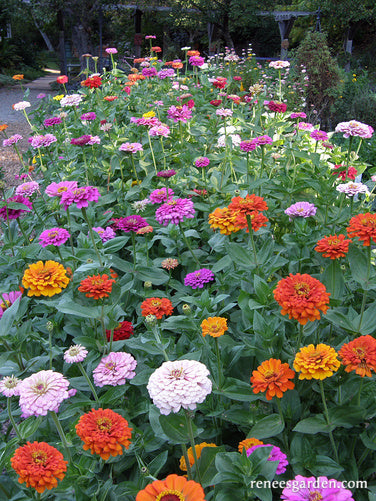
Yes, you can scatter zinnia seeds, but there are some important considerations to ensure successful germination and growth. Zinnias are fairly easy to grow and can thrive in various conditions, but scattering seeds randomly may not yield the best results. It's essential to follow specific guidelines for spacing, timing, and soil preparation to maximize your success.
Optimal Timing for Planting Zinnia Seeds
Planting zinnia seeds at the right time is crucial for their success. Zinnias are warm-season annuals that thrive in sunny conditions. The best time to scatter seeds is after the last frost date in your area, as they prefer warm soil.
- Check your local frost dates to determine the best planting time.
- Wait until daytime temperatures consistently exceed 70°F (21°C).
- Consider starting seeds indoors 4-6 weeks prior to the last frost for earlier blooms.
Soil Preparation for Zinnia Seeds
Preparing the soil is vital to create a suitable environment for zinnia seeds. They prefer well-draining soil with a good mix of nutrients.
- Loosen the soil using a garden fork or tiller to a depth of at least 12 inches.
- Incorporate organic matter such as compost to improve soil structure and fertility.
- Test the soil pH; zinnias thrive in a range of 6.0 to 7.0.
Seed Spacing and Placement
When scattering seeds, proper spacing is essential to avoid overcrowding, which can lead to poor air circulation and disease.
See also:
- Scatter seeds at a density of about 1 seed per 12 inches for optimal growth.
- If broadcasting, thin seedlings to about 12 inches apart once they've grown a few leaves.
- Cover seeds lightly with soil, ideally no more than ¼ inch deep to allow light to assist germination.
Watering Techniques After Planting
Watering practices during and after the scattering of zinnia seeds significantly impact germination and plant vigor.
- Water the area gently after scattering to avoid displacing the seeds.
- Keep the soil consistently moist but not soggy until the seeds germinate.
- Once established, zinnias prefer to dry out slightly between waterings.
Caring for Zinnias After Germination
After your zinnia seeds have germinated, ongoing care will ensure healthy growth and blooming.
- Fertilize with a balanced fertilizer every 4-6 weeks to promote vigorous growth.
- Regularly remove dead blossoms to encourage further blooming.
- Monitor for pests and diseases, and act promptly to mitigate any issues.
Do zinnias like sun or shade?
:max_bytes(150000):strip_icc()/plant-grow-care-growing-zinnia-getty-0623-116216c4b01b4df29c42ebde31ee832d.jpg)
Zinnias are vibrant flowers that thrive in full sun conditions. These hardy blooms prefer at least six to eight hours of direct sunlight daily, making them ideal for gardens with ample sunlight. While zinnias can tolerate some partial shade, their growth, flowering, and overall vigor may be compromised if they do not receive sufficient sunlight. Plants that do not receive enough light tend to become leggy and produce fewer flowers, highlighting the importance of sunlight for optimal health.
Optimal Sunlight Requirements for Zinnias
Zinnias require a substantial amount of sunlight each day to flourish. When planting zinnias, it is essential to position them where they will receive that recommended sun exposure. Consider these factors:
- Location: Choose a spot that is unobstructed by trees or structures.
- Time of Day: Ensure that the chosen area receives sunlight during peak hours, especially from late morning to early afternoon.
- Climate: In hotter climates, some afternoon shade might be beneficial to prevent scorching.
Impact of Shade on Zinnias
While zinnias can endure partial shade, their performance can significantly decline. Shade can hinder the plant's ability to produce blooms and reduce growth rates. Consider these potential effects:
- Reduced Flowering: Less light means fewer blooms, resulting in a less colorful garden.
- Stunted Growth: Zinnias in the shade may grow taller but spindly, lacking the robust structure characteristic of well-sunned plants.
- Increased Disease Risk: Shade can lead to damp conditions that promote fungal diseases, like powdery mildew.
Soil and Water Needs
In addition to sunlight, zinnias thrive best in well-drained soil that is rich in nutrients. They also have specific water needs to ensure their healthy growth:
- Watering Frequency: Water deeply and less frequently to encourage deep root growth, especially in sunny areas.
- Soil Quality: Use a mix that is not only draining well but also retains some moisture without becoming soggy.
- Nutrition: Consider using a balanced fertilizer to provide essential nutrients, especially when planting in nutrient-poor soil.
Choosing the Right Time to Plant Zinnias
Timing is crucial when planting zinnias to ensure they receive optimal sunlight throughout their growing period. Factors to keep in mind include:
- Season: Late spring is generally the best time to plant zinnias after the last frost date.
- Soil Temperature: Zinnias prefer warmer soil, ideally around 70°F (21°C) for optimal germination.
- Sunlight Availability: Observe how much sunlight the chosen area receives throughout the day before planting.
Varieties of Zinnias and Sun Requirements
Different varieties of zinnias can have slightly varying sunlight requirements, although most share similar needs. Here are some common types and their preferences:
- Garden Zinnias: Require full sun and bloom profusely when in the right conditions.
- Pompom Zinnias: Also thrive in full sun, producing dense clusters of blooms.
- Cut-and-Come-Again Varieties: Benefit from full sun for continuous flowering throughout the season.
Questions from Our Readers
Are zinnias perennials or annuals?
Zinnias are primarily considered annuals, which means they complete their life cycle within a year. They typically grow, bloom, and die in a single growing season, but in warmer climates, they may behave like perennials if they self-seed or are allowed to grow back year after year.
How long do zinnias typically bloom?
Zinnias generally bloom from late spring to the first frost, providing a vibrant display of color for several months. With the right care, including sufficient sunlight and proper watering, you can enjoy their beautiful flowers for an extended period during the flowering season.
Can zinnias be planted in the fall?
While zinnias are best planted in the spring after the last frost, you can sow seeds in the late summer for a potential fall bloom in warmer regions. However, they are sensitive to cold, and attempting to plant them in the fall may result in limited growth or premature die-off due to frost.
Do zinnias attract pollinators?
Yes, zinnias are known to attract a variety of pollinators, including bees and butterflies. Their bright colors and abundant nectar make them a popular choice in gardens, contributing to a healthy ecosystem by supporting pollinator populations.
See also:

If you want to read more articles like Are Zinnias Perennials or Annuals? A Comprehensive Guide to Understanding Zinnia Lifecycles, we recommend you check out our Annuals category.
Leave a Reply
Related Articles