Are Zinnias Perennials? Everything You Need to Know About Their Lifespan and Care
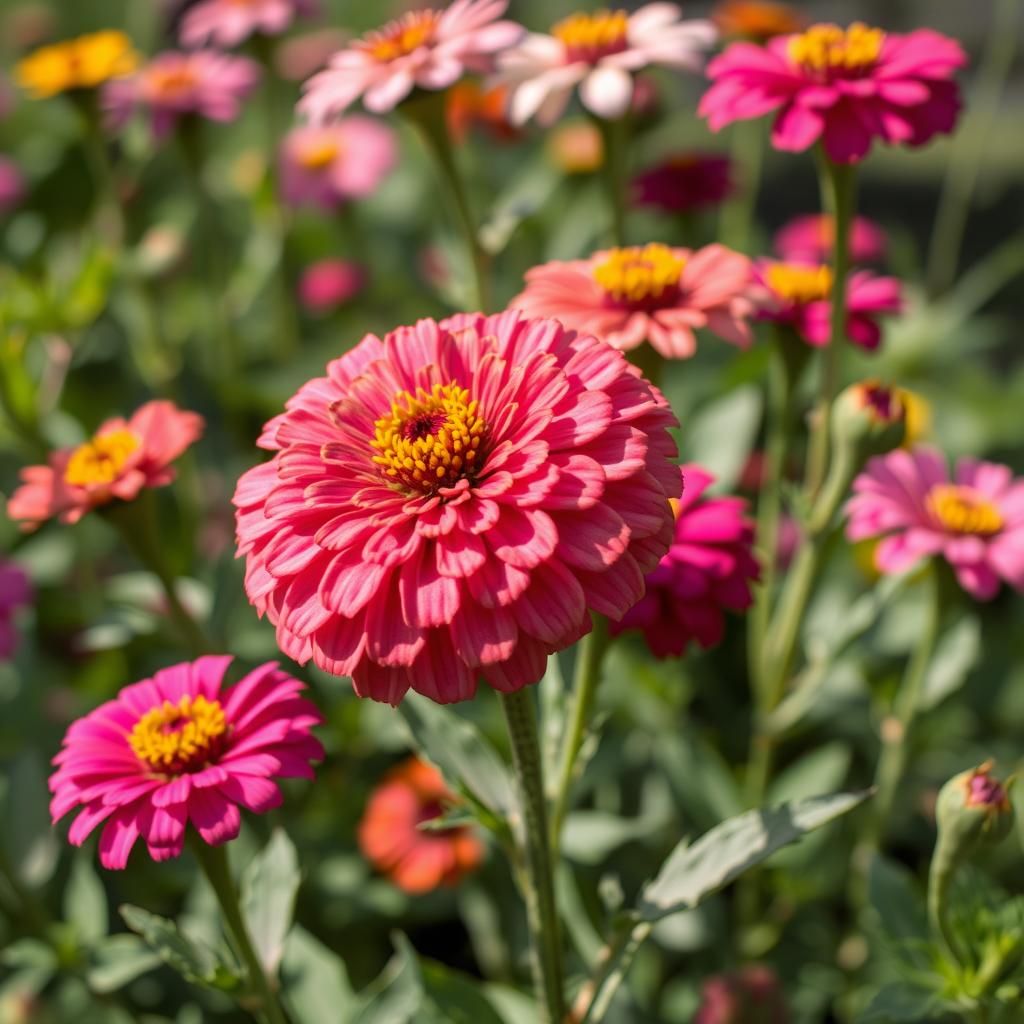
Zinnias are vibrant, colorful flowers that bring joy and beauty to gardens across the globe. Often celebrated for their easy cultivation and long-lasting blooms, many gardeners wonder if zinnias are perennials or annuals. Understanding their lifespan and care requirements is essential for anyone looking to incorporate these striking plants into their landscape. This article delves into the longevity of zinnias, offering insights into their growth habits and the best practices for nurturing them. Whether you’re a seasoned gardener or a novice, you’ll gain valuable knowledge on how to keep your zinnias thriving season after season.
Are Zinnias Perennials?
Zinnias are generally classified as annual plants, which means they complete their life cycle in one growing season. They are not perennials; however, under certain conditions in warmer climates, they can act as short-lived perennials by self-seeding and returning in subsequent years. While gardeners often treat them as annuals, some species, such as the Zinnia angustifolia, may survive mild winters, allowing new blooms to emerge each season if managed properly. Therefore, the classification can shift depending on geographic and climatic conditions, but in most cases, zinnias are best grown as annuals that need replanting each year.
Understanding Zinnia Varieties
There are several varieties of zinnias, the most common being the Zinnia elegans, which is typically grown as an annual. Other types, such as the Zinnia angustifolia, have the potential to survive winter in warmer zones, sometimes behaving like short-lived perennials. The choice of variety can impact not only the lifespan of the plant but also its growth habits and color palettes, making it crucial for gardeners to select the appropriate type for their climate.
Climate Impact on Zinnia Lifespan
Zinnias thrive in warm climates and will generally not survive frost, which makes them more likely to be treated as annuals in cooler regions. In places with mild winters, zinnias that self-seed can produce new growth in the following year. Thus, gardeners in warmer areas may experience zinnias returning each season, while those in colder climates should plan to replant unless in a controlled environment like a greenhouse.
Growing Conditions for Zinnias
Zinnias prefer full sun and well-draining soil to thrive, which contributes to their annual growth cycle. Providing the right conditions is key to ensuring they bloom prolifically and can set seeds for the next generation. While they are generally disease-resistant, they do require adequate water and nutrients to flourish. If planted in ideal conditions, they can produce new seedlings that will effectively create the illusion of being perennial.
Self-Seeding Behavior
Self-seeding is a behavior observed in certain zinnia varieties, particularly in favorable conditions. When zinnias are allowed to go to seed, they can drop seeds that may germinate the following year. This self-sustaining cycle can create a perennial-like experience for gardeners, as new plants can emerge without the need for manual replanting. However, this is not a guaranteed trait in all environments and relies significantly on climatic factors.
See also:
Best Practices for Cultivating Zinnias
To maximize the potential for zinnias to behave like perennials, gardeners should adopt best practices such as deadheading spent blooms, ensuring adequate water and nutrient intake, and allowing some plants to go to seed before the first frost. This can increase the chances of plants reinvigorating themselves in the next growing season. Additionally, mulching can help retain soil moisture and provide a protective layer against temperature fluctuations.
| Aspect | Annual | Perennial |
|---|---|---|
| Life Cycle | Completes in one year | Lives for multiple years |
| Type of Zinnia | Zinnia elegans | Zinnia angustifolia (in warm climates) |
| Survival in Winter | Typically does not survive | Can survive in milder climates |
| Growth Conditions | Full sun, well-draining soil | Similar conditions, with added care for durability |
| Self-Seeding Potential | Limited | Possible, especially in ideal conditions |
Which zinnias are perennials?
:strip_icc()/Zinnias-BCyb0YBhqDh9-MJJ79kSzJ-cc246aa0cd1c4e0098a64d58c2ddc848.jpg)
Zinnias are popular flowering plants commonly grown for their vibrant colors and ease of care. However, most zinnia varieties are annuals, which means they complete their life cycle in one season. Among the various species of zinnias, there are a few that are considered perennials, meaning they can live for more than two years.
The main perennial zinnia species include:
1. Zinnia angustifolia - Commonly known as the narrow-leaved zinnia, this species is often used in gardens for its compact form and ability to bloom continuously throughout the growing season.
2. Zinnia haageana - Also known as the Mexican zinnia, this species is appreciated for its tolerance to dry conditions and vibrant, warm-toned flowers, making it a favorite for xeriscaping.
3. Zinnia elegans (in specific climates) - While typically grown as an annual, in mild climates with appropriate conditions, it can sometimes behave as a perennial, allowing it to survive for multiple growing seasons.
Characteristics of Perennial Zinnias
Perennial zinnias boast several characteristics that make them ideal for garden settings. They not only provide vibrant blooms but are also hardy and resilient. Here are some defining features:
See also:
- Long-lasting blooms that often attract pollinators.
- Strong adaptability to various soil types and climates.
- Minimal maintenance after establishment, making them suitable for low-effort gardens.
Best Growing Conditions for Perennial Zinnias
To thrive, perennial zinnias require specific environmental conditions. These include a well-drained soil, a sunny location, and adequate water. The following conditions promote optimal growth:
- Full sun exposure for at least six hours a day.
- Well-drained soil to prevent root rot.
- Regular watering but allowing the soil to dry out between watering sessions.
Propagation Methods for Perennial Zinnias
There are several ways to propagate perennial zinnias, each offering unique advantages. Understanding these methods can help in cultivating healthy plants:
- Seed propagation, where seeds are sown directly into the garden soil or started indoors.
- Division of established plants in early spring or fall to create new seedlings.
- Cuttings taken from healthy plants can also root and produce new flowers.
Pest and Disease Management
Like all plants, perennial zinnias can be susceptible to pests and diseases. It's essential to monitor and manage these issues to maintain plant health:
- Aphids and other insects can be controlled with insecticidal soap.
- Powdery mildew can be prevented by ensuring good air circulation.
- Regular inspections help catch problems early, allowing for timely intervention.
Designing with Perennial Zinnias in the Garden
Incorporating perennial zinnias into garden designs can create stunning visual displays. Their vibrant colors and textures can complement various landscaping themes:
- Use in borders to provide colorful edging along pathways.
- Mix with other perennials for a layered look in flower beds.
- Group planting for maximum color impact, attracting pollinators and enhancing biodiversity.
Questions from Our Readers
Are zinnias perennials?
Zinnias are not typically perennials; they are classified as annuals. This means they complete their life cycle within one growing season, dying off with the first frost. However, in warmer climates, some varieties may act like perennials if they are cared for properly.
How long do zinnias last?
Zinnias generally last from spring to fall when grown as annuals. They can bloom continuously throughout the growing season if they receive adequate sunlight, water, and proper care.
See also:
Can zinnias return every year?
While zinnias are primarily annuals, in some regions with mild winters, they might self-seed and return each year. However, if you want a guaranteed display of flowers, it’s common to replant zinnias each spring.
What are the best growing conditions for zinnias?
Zinnias thrive in full sun and well-drained soil that is moderate in nutrients. They require regular watering but should not be overly saturated. Providing these conditions can lead to a vibrant and healthy flower display.
If you want to read more articles like Are Zinnias Perennials? Everything You Need to Know About Their Lifespan and Care, we recommend you check out our Perennials category.
Leave a Reply
Related Articles