Are Lobelia Perennials? Discover the Lifespan and Care Tips for These Beautiful Plants

Lobelia is a stunning addition to any garden, known for its vibrant colors and delicate blooms. As gardeners seek to enhance their landscapes, a common question arises: are lobelia perennials? Understanding the lifespan of these enchanting plants is crucial for successful cultivation and care. In this article, we will explore the various types of lobelia, their growth habits, and essential care tips to ensure they thrive in your garden. Whether you are a seasoned gardener or a novice, this guide will equip you with the knowledge needed to enjoy these lovely plants for years to come.
Are Lobelia Perennials?
Lobelia is a genus of flowering plants that includes both annual and perennial species. While many gardeners often encounter lobelia as an annual due to its popularity in summer gardens, certain types, such as Lobelia cardinalis and Lobelia siphilitica, are indeed classified as perennials. These perennial varieties thrive in moist, well-drained conditions and can return year after year, adding bursts of vibrant color to gardens. It is important to know which variety you are dealing with, as the care and expected lifespan can greatly differ.
Different Species of Lobelia
There are over 400 species within the Lobelia genus, each with unique characteristics. Among them, some are annual, such as Lobelia erinus, while others like Lobelia cardinalis (Cardinal Flower) and Lobelia siphilitica (Great Blue Lobelia) are perennial. Understanding the differences between these species can aid gardeners in selecting the right type for their garden needs and climate conditions.
Growing Conditions for Perennial Lobelia
To successfully grow perennial lobelia, it is essential to provide them with adequate sunlight, typically favoring partial shade to full sun. They thrive in moist soil that is rich in organic matter. Adequate watering and well-draining soil are crucial to prevent root rot, especially during the hot summer months. In addition, adding mulch can help retain soil moisture and suppress weeds.
Maintenance and Care for Lobelia
Caring for perennial lobelia involves routine maintenance to promote healthy growth. Regular deadheading (removing spent blooms) can encourage more flowers to appear throughout the growing season. Additionally, it is beneficial to divide clumps of lobelia every few years to maintain vigor and prevent overcrowding. Protecting them from harsh winter conditions through mulching is also advisable in colder climates.
Common Pests and Diseases
Perennial lobelia can be susceptible to a variety of pests and diseases. Aphids and slugs are common threats that can cause significant damage. Furthermore, fungal diseases such as powdery mildew can occur in humid conditions. Early detection and proper garden hygiene, such as ensuring good air circulation and removing affected plant material, can help manage these problems effectively.
See also:
Uses of Perennial Lobelia in Landscaping
Perennial lobelia serves a variety of functions in landscaping. They are often used in border gardens, as fillers in mixed perennial beds, or as focal points due to their striking color. Their ability to attract pollinators like bees and butterflies makes them a favorite among gardeners considering wildlife-friendly options. Moreover, their vertical growth adds dimension to garden designs.
| Species | Type | Flower Color |
|---|---|---|
| Lobelia cardinalis | Perennial | Red |
| Lobelia siphilitica | Perennial | Blue |
| Lobelia erinus | Annual | Blue, White |
How to tell if lobelia is annual or perennial?
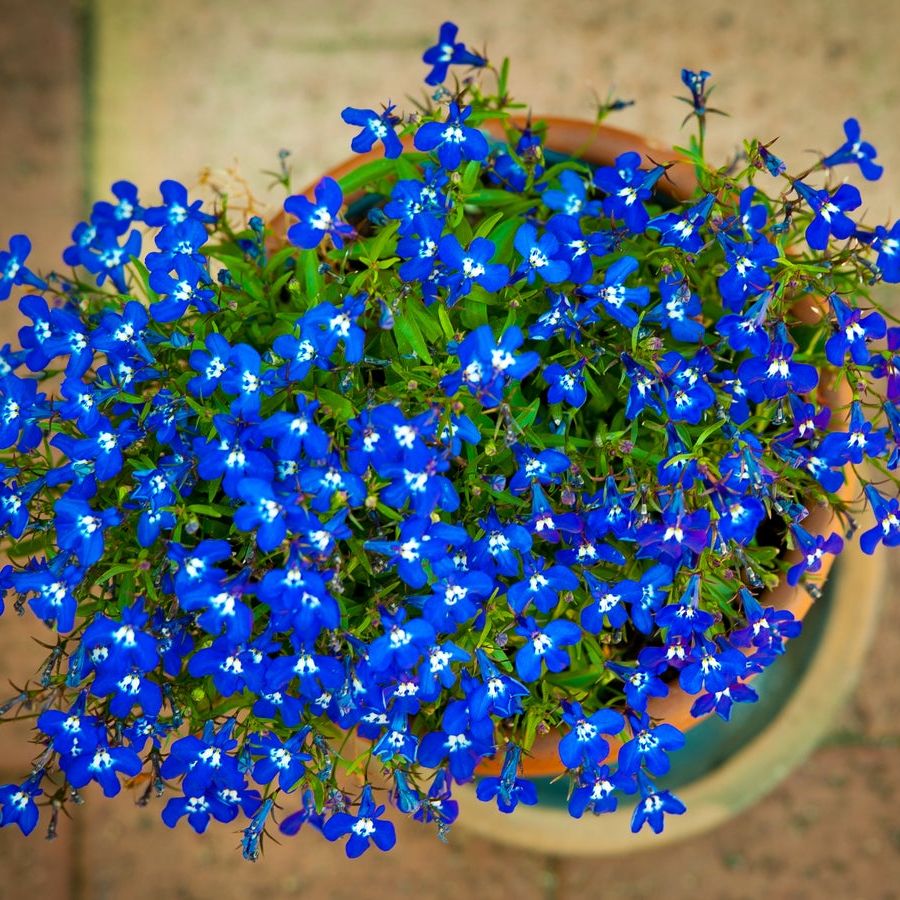
To determine whether lobelia is an annual or perennial, you need to consider several factors including the specific species, growth conditions, and climate. The primary two types of lobelia commonly grown in gardens are Lobelia erinus (commonly known as trailing lobelia) and Lobelia cardinalis (commonly known as cardinal flower).
Understanding Lobelia Species
Different species of lobelia have varying growth habits.
- Lobelia erinus: This species is typically an annual, thriving in cooler conditions and often treated as a short-lived perennial in milder climates.
- Lobelia cardinalis: Contrarily, this type is usually a true perennial, with deep roots that allow it to survive winter conditions.
- Local Variations: Depending on your local climate, some species might behave differently; check local gardening guides for specific advice.
Growth Habits and Environmental Conditions
The growing environment plays a significant role in determining the lifespan of lobelia.
- Climate Impact: In warmer climates, certain perennial species may behave as annuals if they are not able to endure the heat.
- Exposure to Frost: Annual lobelias die off after frost, while perennials typically return the following season, making seasonal changes a clear indicator.
- Soil and Water Needs: Perennials often need well-drained or specific soil conditions to survive, whereas annuals might adapt quickly to varying conditions.
Flowering and Lifespan Assessment
Observing the flowering habits can help you identify whether lobelia is annual or perennial.
See also:
- Duration of Flowering: Annuals like Lobelia erinus often bloom profusely for a single growing season, while perennials bloom seasonally for multiple years.
- Flower Structure: Look for the size and shape of the flowers, as perennials may develop larger flower heads and more robust stalks over time.
- Seed Production: Annuals may produce seeds before dying off, while perennials tend to reserve energy for growth and may produce fewer seeds per season.
Growth Patterns and Behavior
The growth patterns of lobelia vary significantly between annuals and perennials.
- Plant Structure: Annual lobelia plants are typically smaller and less robust compared to their perennial counterparts, which develop larger structures over the years.
- Root System: Perennials have more advanced root systems that allow them to absorb nutrients efficiently and survive harsher conditions.
- Maintenance Requirements: Annuals require replanting each year; perennials have higher resilience, making them easier to maintain once established.
Direct Observation and Identification
Using direct observation techniques can help in determining the type of lobelia.
- Longevity Observation: If the lobelia is returning year after year without replanting, it is likely a perennial.
- Seasonal Changes: Observing how the plant reacts to the changing seasons can provide clues; annuals will die off completely, while perennials may simply go dormant.
- Consultation with Experts: If in doubt, consulting local horticulturists or garden centers can provide accurate identification based on regional varieties.
Questions from Our Readers
Are lobelia perennials?
Lobelia species can be both annuals and perennials, depending on the specific type. For example, Lobelia erinus, commonly known as trailing lobelia, is typically grown as an annual, while Lobelia cardinalis, or cardinal flower, is a perennial that returns year after year in suitable climates.
How do I care for perennial lobelia?
To care for perennial lobelia, ensure that it is planted in well-draining soil and receives at least half a day of sunlight. Regular watering is essential, especially during dry spells, and applying a light mulch can help retain moisture while preventing weed growth.
When do perennial lobelia bloom?
Perennial lobelia typically blooms in the late spring to early summer, with some varieties continuing to produce flowers until fall. The vibrant blossoms of Lobelia cardinalis can attract a variety of pollinators, adding beauty to your garden throughout the growing season.
Where is the best location to plant perennial lobelia?
The best location to plant perennial lobelia is in an area that receives full to partial sunlight and has consistently moist soil. These plants thrive in moisture-rich environments, such as near a pond or in a garden bed that retains water well, ensuring their vibrant growth.
See also:

If you want to read more articles like Are Lobelia Perennials? Discover the Lifespan and Care Tips for These Beautiful Plants, we recommend you check out our Perennials category.
Leave a Reply
Related Articles