Are Geraniums Perennials? Discover the Truth About Geranium Lifespan and Care Tips

Geraniums are popular garden plants known for their vibrant colors and lush foliage, but many gardeners wonder about their lifespan and whether they are perennials. In this article, we will uncover the truth about geraniums and their longevity, exploring the different species and their growth habits. Additionally, we'll provide essential care tips to help you cultivate healthy geraniums, whether you’re aiming for a thriving perennial display or simply want to enjoy them as annuals. Join us as we dive into the fascinating world of geraniums and discover how to maximize their beauty in your garden for years to come.
Are Geraniums Perennials?
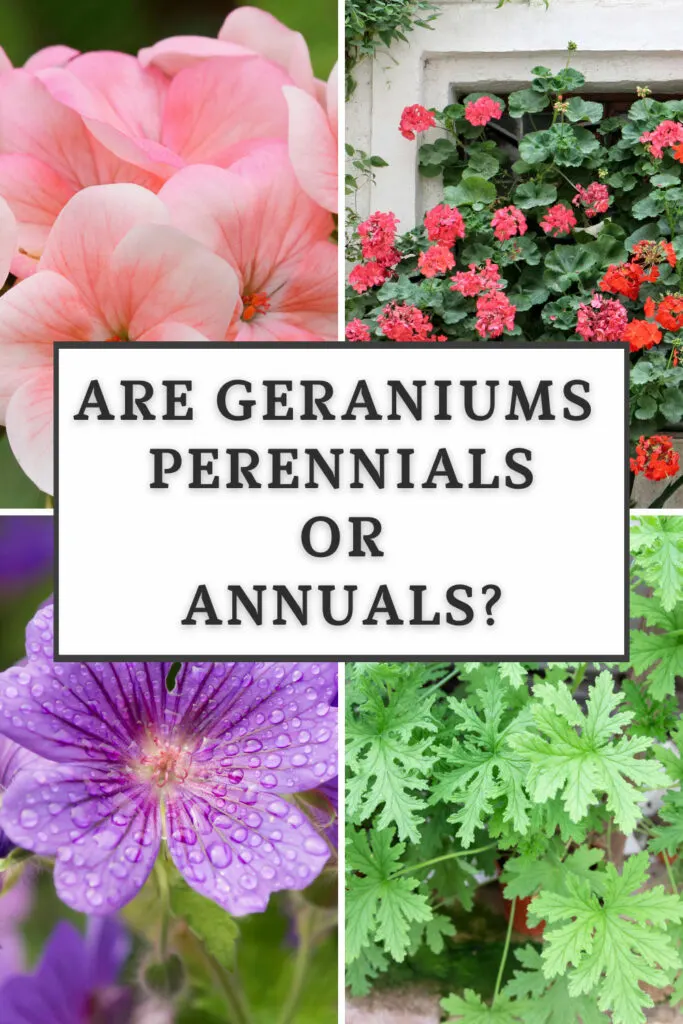
Geraniums are often a topic of confusion when it comes to their classification as perennials. While many gardeners assume that all geraniums are perennials, the reality is somewhat more complex. The term geranium is commonly used to refer to a variety of plants in the Geranium genus, which are indeed perennial flowers. However, many people are also referring to pelargoniums, which are often called geraniums but are actually tender annuals or biennials in colder climates. Therefore, while true geraniums can return year after year in suitable conditions, the geranium you have might be a different variety that requires specific care to survive seasonal changes.
What Are True Geraniums?
True geraniums, belonging to the family Geraniaceae, include several species native to various regions. These plants are known for their hardiness and ability to thrive in various conditions, making them popular in gardens and landscapes. True geraniums are characterized by their rounded leaves and delicate, often five-petaled flowers that bloom in spring and early summer. They are typically grown for their charming appearance and long-lasting beauty, making them a favorite among gardeners seeking perennial options.
Differences Between Geraniums and Pelargoniums
The most significant distinction lies in the genus that these plants belong to. While true geraniums fall under the Geranium genus, pelargoniums belong to a separate genus entirely. Pelargoniums, which are frequently referred to as geraniums in casual conversation, are known for their vibrant colors and varied growth habits, often used as ornamentals in gardens and containers. Unlike true geraniums, which can survive cold winters in many climates, pelargoniums are tender and require protection from frost, often being grown as annuals in temperate regions while treated as houseplants in colder climates.
Growing Conditions for Perennial Geraniums
To successfully grow perennial geraniums, certain conditions must be met. They prefer well-draining soil and thrive in partial to full sunlight. These plants are generally drought-tolerant once established but benefit from regular watering during dry spells. Additionally, they should be allowed to spread naturally, as crowding can lead to disease. The right conditions can result in a lush and vibrant display during the blooming season while ensuring that the plants return for multiple years.
Common Varieties of Perennial Geraniums
There are several popular varieties of perennial geraniums, each with unique characteristics. Some of the more common ones include Geranium sanguineum, known for its crimson flowers and adaptability, and Geranium maculatum, celebrated for its delicate blooms and attractive foliage. These varieties not only provide color throughout the growing season but also require relatively low maintenance, making them ideal for both novice and experienced gardeners alike.
Care Tips for Overwintering Geraniums
When it comes to ensuring your perennial geraniums survive the winter, certain steps can help. If you live in an area with harsh winters, applying a thick layer of mulch around the base can provide some insulation against the cold. Additionally, it's important to cut back the plants in fall after the flowering season has ended, which promotes healthy growth for the next season. For those in particularly cold climates, consider relocating potted geraniums indoors or wrapping them with protective materials to prevent frost damage.
| Aspect | True Geraniums | Pelargoniums |
|---|---|---|
| Genus | Geranium | Pelargonium |
| Perennial | Yes | Typically No |
| Growth Habit | Hardy | Tender |
| Preferred Conditions | Well-drained soil, full sun | Houseplant or annual in cold climates |
| Common Use | Garden perennial | Container and ornamental plant |
Will a geranium come back every year?

Geraniums are popular flowering plants known for their vibrant blooms and versatility in gardens. Whether a geranium will come back every year depends on several factors, including the specific type of geranium, the climate, and the care it receives.
Types of Geraniums
There are various types of geraniums, divided mainly into annuals and perennials. Understanding the type you have is crucial for determining if it will return each year.
- Annual Geraniums: These are typically planted for a single growing season. They thrive in warm conditions and bloom continuously until the first frost, after which they usually die.
- Perennial Geraniums: These can survive through the winter and return year after year, provided they are hardy enough for the climate.
- Hybrid Geraniums: Some hybrids may exhibit traits of both annual and perennial varieties, affecting their longevity in different environments.
Climate Considerations
The climate in which geraniums are grown plays a vital role in their life cycle. Certain conditions can enhance or inhibit their chances of returning yearly.
- Frost Tolerance: Many perennial geraniums can survive winter frost, while annual varieties cannot withstand cold temperatures.
- Hardiness Zones: Different geranium varieties have specific hardiness zones where they can thrive. These zones are essential in determining if a geranium will return each year.
- Microclimates: Even within the same region, some gardens may have unique conditions (e.g., sheltered spots) that can support the return of specific geranium types.
Care and Maintenance
The care you provide to your geraniums significantly influences their longevity and ability to return each year.
- Watering: Consistent watering practices must be maintained. Overwatering or underwatering can stress the plant, leading to poor survival rates.
- Fertilization: Regularly fertilizing geraniums promotes healthy growth, enhancing their chances of returning.
- Pruning and Deadheading: Removing dead flowers and foliage can stimulate new growth, also aiding their recovery for the subsequent season.
Winter Care
If you have perennial geraniums, they may require specific winter care to ensure they return in the spring.
- Mulching: Applying a layer of mulch can protect the roots during cold months, insulating them from extreme temperature fluctuations.
- Proper Placement: Situating geraniums in a well-drained area reduces the risk of rot during winter.
- Severe Pruning: In some cases, cutting back geraniums before winter can promote stronger regrowth in the spring.
Common Issues Affecting Longevity
Several pests and diseases can threaten the survival of geraniums, impacting their ability to come back year after year.
See also:
- Root Rot: Caused by overwatering, it can kill the plant before it gets a chance to return.
- Fungal Infections: Various fungi can affect foliage and roots, leading to premature death if not treated.
- Pest Infestations: Aphids and beetles can weaken the plant, compromising its chances of surviving through the winter.
How do I know if my geraniums are annual or perennial?
To determine whether your geraniums are annual or perennial, you need to examine a few key characteristics related to their growth cycle, habitat, and specific variety. Here are some steps and indicators that can help you identify your geraniums.
Understanding Geranium Varieties
Different species of geraniums can be classified into annual and perennial groups. The most common types are:
- Pelargonium: Typically classified as annuals, these are often what people think of as geraniums.
- Geranium: True geraniums (also known as cranesbills) are generally perennial.
- Local climate: Some varieties may behave differently depending on the growing conditions, which can also affect their lifespan.
Checking for Lifespan Traits
The lifespan traits of the plant can often help in determining if it is an annual or perennial:
- If your geranium blooms continuously during the growing season but dies back in the fall, it is likely an annual.
- If the plant survives through winter and re-emerges in the spring, it indicates that the geranium is a perennial.
- Growth form: Perennials tend to have thicker stems and may develop a woody base over time.
Flowering Patterns and Seasons
The flowering patterns can also provide clues about the type of geranium you possess:
- Annual geraniums usually have a longer blooming period, producing vibrant flowers non-stop until frost.
- Perennial geraniums typically have specific flowering seasons and may bloom for shorter periods, usually in spring to summer.
- Flower color and size can also vary greatly between annual and perennial varieties.
Assessing Leaf Structure and Habit
The leaf structure of geraniums can be indicative of their type:
- Annual geraniums often have broader, fleshy leaves with a more compact habit.
- Perennial geraniums may have more intricate leaf structures, with some varieties featuring deeply lobed or palmate leaves.
- Observing how the plant grows—whether it spreads out or grows upright—can also help distinguish between the two groups.
Consulting Local Gardening Resources
Utilize local gardening resources for further insights:
- Your local garden center can provide specific information about the geranium varieties that thrive in your area.
- Joining a gardening club or online forum can connect you with experienced gardeners familiar with geraniums.
- Researching plant guides or botanical references may give detailed descriptions of the geranium types you are growing.
What does a perennial geranium look like?
:max_bytes(150000):strip_icc()/Geranium-11-c3f481fbbfec48328edc1c7b497a92a7.jpg)
A perennial geranium, often referred to as cranesbill (genus Geranium), showcases a variety of characteristics that make it a popular choice for gardens and landscaping. They are typically low-growing plants with a clumping habit, and their features can differ based on the specific variety. Here are the primary traits of perennial geraniums:
- Leaves: The leaves are generally rounded or palmate, often with a deeply lobed structure. They exhibit a rich green color, sometimes with a slightly hairy texture. Certain varieties may change to vibrant hues of red or orange in the fall.
- Flowers: One of the most notable features is the flowers, which bloom in a range of colors, including blue, purple, pink, and white. The flowers usually have five petals and can be single or semi-double. They grow in clusters above the foliage, adding visual charm to the plants.
- Height and Spread: Perennial geraniums can vary in size, typically reaching heights of 12 to 24 inches (30 to 60 cm). They spread well, often forming a ground cover that can expand to 18 to 24 inches (45 to 60 cm) wide.
- Blooming Period: The blooming season generally occurs from late spring to early summer, although some varieties may bloom sporadically until the first frost. Each flower lasts only a few days, but the plant produces many blooms throughout the season.
- Growing Conditions: These plants thrive in well-drained soil and prefer full sun to partial shade. They are relatively low-maintenance and can tolerate drought after establishing themselves.
See also:
1. Characteristics of Leaves
The leaves of perennial geraniums are a defining feature of these plants. They exhibit:
- Texture: Often slightly hairy, giving them a unique feel.
- Shape: Usually rounded and lobed, contributing to a bushy appearance.
- Seasonal Color Changes: In fall, foliage can transform to vibrant colors, enhancing garden aesthetics.
2. Flower Varieties and Colors
Perennial geraniums are celebrated for their diverse floral displays:
- Petal Structure: Five-petaled flowers that can be either simple or semi-double.
- Color Range: Common colors include blue, purple, pink, and white, appealing to various garden styles.
- Flower Clusters: Flowers grow in clusters above the foliage, creating a stunning visual effect.
3. Growth Habit and Size
The growth form of perennial geraniums is quite distinctive:
- Height: Typically ranges from 12 to 24 inches, making them suitable for many garden settings.
- Spread: They can cover substantial ground, offering excellent ground cover potential.
- Clumping Nature: Their ability to form dense clumps makes them ideal for mass planting.
4. Blooming Season and Lifespan
The blooming characteristics of perennial geraniums have much to offer:
- Bloom Timing: Most bloom from late spring to early summer, with intermittent blooms until frost.
- Flower Longevity: Each flower blooms for several days, ensuring a gradual display of color.
- Seasonal Interest: Their prolonged blooming period adds interest to gardens through multiple seasons.
5. Growing Requirements and Maintenance
Understanding the growing conditions is essential for gardeners:
- Soil Needs: Prefers well-drained soil, tolerating varying levels of fertility.
- Light Requirements: Best grown in full sun to partial shade, enhancing flower production.
- Low-Maintenance: Once established, they require minimal care, making them ideal for busy gardeners.
Is it worth keeping geraniums over winter?
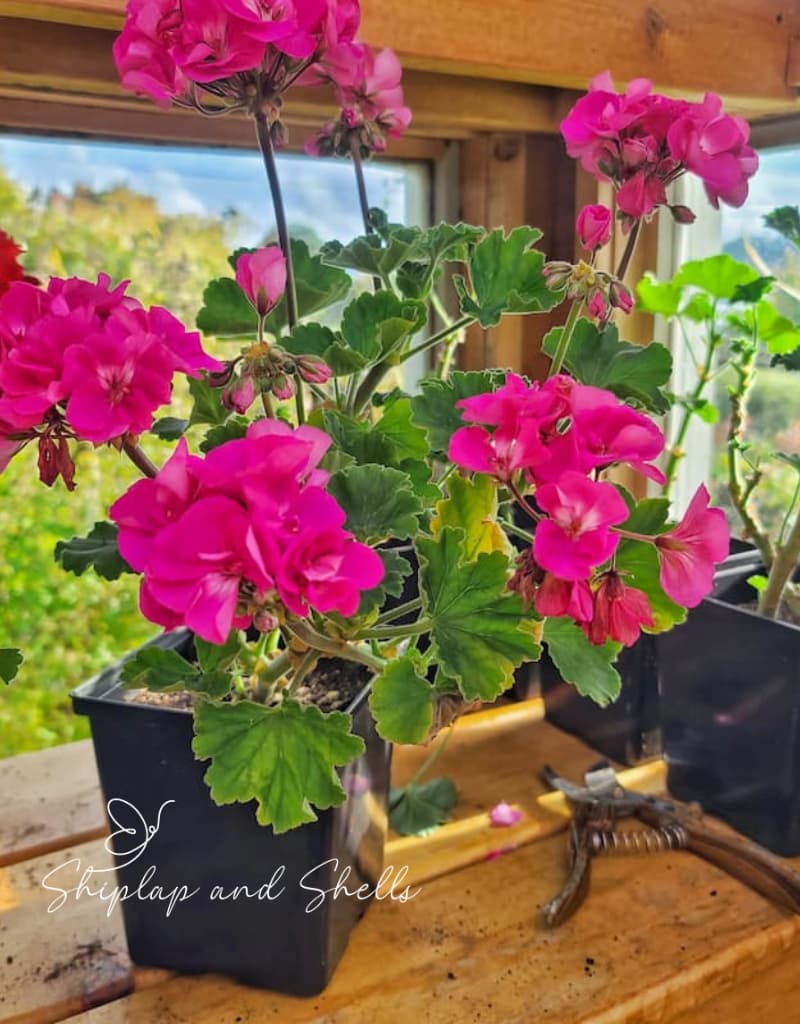
Keeping geraniums over the winter can be a rewarding endeavor, particularly for those who are passionate about gardening and wish to preserve their plants through the colder months. Whether it is worth the effort depends on various factors including your climate, the type of geraniums you have, and the care you are willing to provide. Below, I will explore different aspects of winter care for geraniums to help you make an informed decision.
Benefits of Overwintering Geraniums
Keeping geraniums during the winter offers several advantages that can be beneficial to the gardener:
- Cost-effective: Preserving geraniums means you won't have to buy new plants each spring.
- Variety: Overwintering allows you to maintain specific varieties that you love, ensuring you have the same beautiful blooms year after year.
- Healthy plants: If properly cared for, overwintered geraniums can return even stronger and more vibrant in the following growing season.
Types of Geraniums Suitable for Wintering
Not all geraniums can be easily overwintered, so it's essential to know which types are suitable:
- Zonal Geraniums: These are the most common garden geraniums and can be easily overwintered indoors.
- Ivory Geraniums: Another popular choice, they thrive indoors with adequate sunlight during winter.
- Regal Geraniums: Known for their stunning flowers, they can also be overwintered, but require specific conditions.
Best Practices for Overwintering Geraniums
To successfully keep geraniums through winter, there are some best practices to follow:
- Pruning: Before bringing geraniums indoors, prune them back to encourage healthy, bushy growth in spring.
- Repotting: Consider repotting in fresh soil to promote good drainage and nutrient availability.
- Placement: Ensure they are placed in a bright location, preferably near a south-facing window, to maximize sunlight exposure.
Challenges of Winter Care
While overwintering geraniums has its benefits, there are also challenges to consider:
- Light requirements: Geraniums need plenty of light. Insufficient light can lead to leggy or unhealthy plants.
- Watering issues: Overwatering can be a problem in winter when plants typically require less moisture.
- Pests and diseases: Keeping plants indoors may expose them to pests such as aphids or spider mites, which need to be managed.
Alternatives to Overwintering Geraniums
If you decide against keeping geraniums through winter, consider these alternatives:
- Taking cuttings: You can take cuttings to propagate new plants for the spring without needing to keep the whole plant.
- Buying new plants: If you have trouble overwintering, you can always purchase new geraniums when spring arrives.
- Companion plants: Incorporating winter-blooming plants can create a vibrant indoor garden during the winter months.
Questions from Our Readers
Are geraniums perennials?
Geraniums can be both perennials and annuals, depending on the species. Most commonly referred to as hardy geraniums or cranesbills, these plants are considered perennials that can thrive in various climates, returning year after year.
How do I care for perennial geraniums?
To care for your perennial geraniums, ensure they have well-drained soil and receive adequate sunlight, ideally around six hours per day. Regular watering is essential during dry spells, and fertilizing in spring can promote healthy growth and vibrant blooms.
See also:
Will geraniums survive winter?
Yes, many perennial geraniums can survive winter in suitable climates if properly cared for. Mulching around the base helps insulate the roots, while cutting back the foliage in the fall can encourage new growth in spring.
Can I grow geraniums in pots?
Absolutely! Geraniums can be successfully grown in pots, allowing for easy mobility and decorative displays. Ensure the pots have drainage holes and use a quality potting mix to support healthy growth.

If you want to read more articles like Are Geraniums Perennials? Discover the Truth About Geranium Lifespan and Care Tips, we recommend you check out our Perennials category.
Leave a Reply
Related Articles