Are Coffee Grounds Acidic for Blueberries? Discover the Truth and Benefits!

Coffee grounds are a popular addition to many gardens, particularly for acid-loving plants like blueberries. However, gardeners often wonder if the acidity of coffee grounds is beneficial or harmful to their beloved berry bushes. In this article, we will explore the truth behind the acidity of coffee grounds and their potential impact on blueberry cultivation. From understanding soil pH to the nutritional benefits that coffee grounds can offer, we'll uncover whether these leftover grounds can enhance your blueberry plants or if caution is needed. Join us as we delve into the science and benefits of using coffee grounds in your garden.
Are Coffee Grounds Acidic for Blueberries?
Coffee grounds are often considered a beneficial addition to garden soil, especially for blueberries. Blueberries thrive in acidic soils with a pH range between 4.5 and 5.5, and coffee grounds can help maintain this low pH level. When coffee grounds are added to the soil, they can slightly acidify it due to their natural acidity. However, it's essential to use them judiciously, as adding excessive amounts may lead to a build-up of acidity, which can be harmful to the plants. Additionally, while coffee grounds have been found to contribute nutrients like nitrogen, phosphorus, and potassium, their primary value for blueberries lies in their ability to enhance the soil's structure and moisture retention.
Benefits of Coffee Grounds for Blueberries
Coffee grounds provide various benefits for blueberries, including improved soil structure and enhanced moisture retention. The organic matter in coffee grounds helps to create a more favorable environment for root growth. This can lead to healthier plants that are more capable of absorbing essential nutrients. Furthermore, the presence of microorganisms in coffee grounds can promote a more vibrant and diverse soil ecosystem, aiding in nutrient cycling.
How to Use Coffee Grounds with Blueberries
When using coffee grounds for blueberries, it's best to incorporate them into the soil rather than applying them directly on top. Mix in used coffee grounds with mulch or compost to help trap moisture and maintain an acidic environment. A ratio of about 20% coffee grounds to 80% other organic materials generally works well. This method prevents any potential over-acidity and ensures that the nutrients are more readily available to the plants.
The Role of pH in Blueberry Growth
The pH level of the soil plays a crucial role in the growth of blueberries. These plants prefer a slightly acidic environment, typically between 4.5 and 5.5. If the soil becomes too alkaline, blueberries may exhibit symptoms such as poor fruiting and yellowing leaves. Regularly testing the soil pH can help ensure that it remains within the optimal range. Coffee grounds can be a practical tool in acidifying the soil without resorting to commercial soil amendments that may be more expensive or less sustainable.
Potential Risks of Using Coffee Grounds
While coffee grounds can be beneficial, there are some risks involved in their use. If used in excess, they can lead to soil acidity levels that are harmful to blueberry plants. Additionally, coffee grounds can attract pests if not adequately mixed into the soil, leading to issues like fungal growth. It's essential to monitor the soil condition and adjust the amount of coffee grounds added to avoid these problems.
Alternative Acidic Amendments for Blueberries
Besides coffee grounds, several other materials can help maintain or lower soil pH for blueberries. These include pine needles, sulfur, and peat moss. Each of these options offers different benefits and can be used in conjunction with coffee grounds for enhanced soil acidity. It's crucial to assess the soil's initial condition before choosing an amendment to ensure it complements the overall nutrient profile.
| Material | Effects on pH | Nutrients Provided |
|---|---|---|
| Coffee Grounds | Acidifies soil | Nitrogen, Phosphorus, Potassium |
| Pine Needles | Acidifies soil | Organic matter |
| Sulfur | Decreases pH | None directly |
| Peat Moss | Acidifies soil | Organic matter |
Can I put coffee grounds around my blueberry bushes?
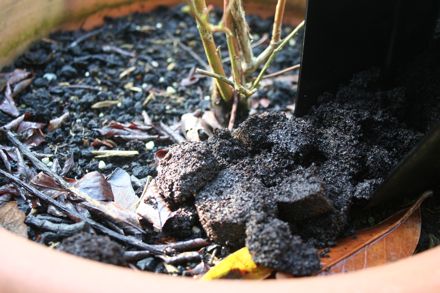
Yes, you can put coffee grounds around your blueberry bushes. Coffee grounds are a good source of organic matter and can benefit blueberry plants in several ways. Blueberries thrive in acidic soil, and coffee grounds can help to lower the pH of the soil, making it more suitable for their growth. However, it’s important to use them in moderation and to ensure that they are well-composted or mixed with other organic materials to avoid potential issues such as mold growth.
Benefits of Using Coffee Grounds for Blueberries
Coffee grounds provide multiple benefits for blueberry bushes:
- Improved Soil Structure: Coffee grounds can enhance soil aeration and drainage.
- Increased Nutrients: They contain essential nutrients like nitrogen, which can promote healthy growth.
- Enhanced Microbial Activity: Their addition encourages beneficial microorganisms in the soil.
How to Apply Coffee Grounds
Applying coffee grounds to blueberry bushes should be done carefully:
- Moderation is Key: Use a thin layer, about 1-2 inches, to prevent over-acidification.
- Mix with Other Materials: Combine them with compost or mulch for better results.
- Spread Evenly: Distribute grounds evenly to ensure uniform nutrient availability.
Potential Risks
While beneficial, there are risks associated with excessive use:
- Mold Growth: Excessively damp coffee grounds can promote mold, potentially harming the plant.
- Over-Acidity: Too many grounds can make the soil too acidic for blueberries.
- Nutrient Imbalance: Overuse may lead to an excess of certain nutrients.
Alternative Uses for Coffee Grounds
If concerned about using coffee grounds directly, consider these alternatives:
- Composting: Add coffee grounds to your compost pile for a balanced nutrient source.
- Organic Fertilizer: Use them as part of a homemade organic fertilizer mix.
- Soil Amendment: Mix with other amendments to improve soil quality without direct application.
Frequently Asked Questions
Many gardeners have questions about using coffee grounds:
- How often can I apply them? Aim for a few times a year, depending on your soil's needs.
- Can I use flavored coffee grounds? It’s best to avoid flavored grounds as they may contain additives harmful to plants.
- Do I need to let them dry? Dried grounds are preferable to reduce the risk of mold.
What is the best acidic fertilizer for blueberries?

The best acidic fertilizer for blueberries is one that provides the right balance of nutrients while maintaining an acidic pH level, typically around 4.0 to 5.5. Blueberries thrive in acidic soils, and using the correct fertilizer can significantly boost growth and fruit production.
Understanding Blueberry Nutrient Needs
Blueberries require specific nutrients to thrive, including nitrogen, phosphorus, and potassium. Ensuring these elements are available in the soil is crucial, as they play vital roles in plant metabolism and fruit development. The ideal fertilizers not only provide these nutrients but also maintain soil acidity.
- Nitrogen: This nutrient promotes leaf and stem growth.
- Phosphorus: It supports root development and flowering.
- Potassium: This element is essential for overall plant health and fruit quality.
Choosing the Right Acidic Fertilizers
When selecting an acidic fertilizer for blueberries, look for products specifically labeled for acid-loving plants. These fertilizers usually contain sulfur or ammonium-based nitrogen, which helps maintain lower pH levels in the soil. Popular options include:
- Ammonium sulfate: Provides nitrogen while helping to acidify the soil.
- Urea: Though neutral in pH, it can help with nitrogen levels when used in moderation.
- Organic fertilizers: Options include cottonseed meal and fish emulsion, which are also acidic.
Organic vs. Synthetic Fertilizers
Both organic and synthetic fertilizers can be effective for blueberries, but they have different implications for soil health and long-term nutrient availability. Organic fertilizers often improve soil structure and enhance microbial activity, whereas synthetic options offer immediate nutrient availability.
- Organic fertilizers: Slow-release and improve soil health over time.
- Synthetic fertilizers: Provide quick nutrient absorption but may leach quickly from soils.
- Combination approaches: A mix can balance the benefits of both types.
When to Apply Fertilizer
Timing of fertilizer application is critical, as it maximizes the uptake of nutrients by the plants. For blueberries, the best times to apply acidic fertilizers are in early spring and post-harvest in late summer.
- Early spring: Before flowering, to promote growth and flowering.
- Post-harvest: To support root development and prepare for the next season.
- Mid-summer: A light application can help with fruit sizing and quality.
Monitoring Soil pH and Nutrient Levels
Regularly checking your soil's pH and nutrient levels is vital for sustaining blueberry health. A soil test can help determine if the current fertilizer program is adequate or if adjustments are necessary.
- Soil testing: Conduct tests every few years to monitor pH and nutrient status.
- Adjusting pH: If pH is too high, consider adding sulfur or acidifying fertilizers.
- Regular amendments: Even with established plants, annual amendments can support ongoing health.
What is the best acidic mulch for blueberries?

To promote the best growth of blueberries, which thrive in acidic soils, it is essential to use mulch that not only enhances soil acidity but also improves overall soil health. The best acidic mulch options for blueberries are as follows:
1. Pine Bark Mulch: This is a popular choice among blueberry growers due to its natural acidity. As it decomposes, pine bark releases organic acids, which help maintain the desired pH level for blueberries.
2. Pine Needles: Also known as pine straw, pine needles are excellent for acidic mulch. They are lightweight, easy to apply, and provide good drainage while also enhancing soil acidity as they break down.
3. Coconut Coir: This organic material made from coconut husks not only retains moisture but also contributes to soil acidity over time. It is an excellent mulch choice that helps blueberries by providing essential nutrients.
4. Sphagnum Peat Moss: Rich in organic matter, peat moss can effectively lower the soil pH, making it suitable for blueberries. It also improves soil texture and moisture retention.
5. Composted Leaves: When choosing leaves for composting, opt for those from acid-loving trees such as oak or maple. Composted leaves can provide a steady source of acidity as they decompose.
Benefits of Acidic Mulch for Blueberries
Using acidic mulch offers several advantages for blueberry plants:
- Improved Soil pH: Helps maintain an optimal soil environment for blueberry growth.
- Enhanced Moisture Retention: Mulch helps keep the soil consistently moist, which is crucial for blueberry health.
- Weed Suppression: A thick layer of mulch prevents the growth of weeds that compete with blueberries for nutrients.
How to Apply Acidic Mulch for Blueberries
Proper application is crucial for maximizing the benefits of acidic mulch:
- Layer Thickness: Apply mulch in a layer that is 2-4 inches thick to ensure effective moisture retention and weed suppression.
- Distance from the Base: Keep mulch away from the base of the plants to prevent rot and other diseases.
- Replenishment: Check the mulch layer annually and replenish it as necessary to maintain its effectiveness.
Potential Issues with Acidic Mulch
While acidic mulch has many benefits, be mindful of the following potential issues:
- Disease Risk: Certain mulches can harbor pathogens; ensure to use clean, disease-free materials.
- Excessive Acidity: Too much acidic mulch can lower the pH excessively; monitor soil pH regularly.
- Attracting Pests: Some organic mulches can attract pests; consider using insect barriers if necessary.
Alternative Mulching Options
If acidic mulch is not available, consider these alternatives that can support blueberry growth:
- Shredded Bark from Acidic Trees: Using decomposed bark from trees like cedar can provide slightly acidic benefits.
- Wood Chips: Although less acidic, wood chips can still help improve soil structure and moisture.
- Straw Mulch: Straw may not be significantly acidic but can still provide erosion control and moisture retention.
Frequency of Mulch Replacement
Understanding when to replace your mulch is significant for blueberry care:
- Annual Replacement: It's a good practice to check and replace the mulch every year as it decomposes.
- Signs of Decomposition: Replace mulch when you notice significant breakdown or thinning.
- Monitor Soil Conditions: Regularly testing soil pH can indicate when mulch needs replenishment.
Questions from Our Readers
Are coffee grounds acidic for blueberries?
Coffee grounds are typically considered to be slightly acidic, with a pH level ranging around 6.0 to 6.8. While blueberries thrive in acidic soil (pH 4.5 to 5.5), using coffee grounds can enhance soil acidity to some degree, making them a beneficial addition to blueberry plants if used in moderation.
How do coffee grounds benefit blueberry plants?
In addition to potentially improving soil acidity, coffee grounds also offer nutrients such as nitrogen, which can support healthy blueberry growth. The organic matter in coffee grounds can improve soil texture and drainage, promoting a more favorable environment for root development.
Can using too many coffee grounds harm blueberry plants?
Yes, using an excessive amount of coffee grounds can lead to an overly acidic soil environment, which may not be ideal for blueberries. It is important to balance their use with other organic materials to maintain appropriate soil pH and prevent nutrient imbalances.
How should I apply coffee grounds to blueberry plants?
To apply coffee grounds effectively, mix them into the soil around blueberry plants or layer them as a top dressing. A general recommendation is to use no more than a thin layer every few months to avoid overwhelming the plants with acidity and ensure a balanced nutrient profile.

If you want to read more articles like Are Coffee Grounds Acidic for Blueberries? Discover the Truth and Benefits!, we recommend you check out our Berries category.
Leave a Reply
Related Articles