What If I Accidentally Sprayed My Plants With Vinegar? Here's What You Need to Know!

Accidentally spraying your plants with vinegar can be a distressing experience for any gardener. While vinegar is a common household item known for its versatility, its acidic nature can harm your beloved greenery. Understanding the potential impact on your plants is crucial to mitigating damage and fostering recovery. This article delves into the effects of vinegar on various types of plants, offering essential insights on immediate steps you can take if such an accident occurs. Learn how to recognize the signs of vinegar exposure, the long-term implications for your plants, and the best practices for nurturing them back to health.
What Happens If You Accidentally Spray Your Plants with Vinegar?
Accidentally spraying your plants with vinegar can lead to several adverse effects, as vinegar contains acetic acid, which can be harmful to many types of plants. This acid can cause leaf burn, wilting, and even death of the plant if not addressed promptly. The level of damage often depends on the concentration of the vinegar used; for instance, regular household vinegar (typically 5% acetic acid) can still be detrimental to your plants, especially if applied in large amounts. If you realize your mistake quickly, rinsing the affected areas with water can help dilute the vinegar's effects, improving the chances of recovery for your plants.
Understanding the Effects of Vinegar on Plants
Vinegar, primarily composed of acetic acid, is often used as a natural herbicide due to its ability to damage plant tissues. When sprayed on plants, it can disrupt the photosynthetic process, leading to chlorosis (yellowing of leaves) and eventually necrosis (death of plant tissue). The extent of harm varies by plant species; sensitive plants or young seedlings are typically more vulnerable.
How to Identify Damage Symptoms
After accidentally spraying plants with vinegar, look for signs of damage such as yellowing leaves, brown edges, or curling. Affected plants may also appear wilted or stunted in growth, indicating that the previous healthy foliage is unable to sustain itself due to the vinegar exposure. Monitoring these changes can help you assess the level of damage done.
Immediate Steps to Mitigate Damage
If you have accidentally sprayed your plants with vinegar, the first step is to flush the leaves with plenty of water as soon as possible. This can help dilute the acetic acid on the foliage. For potted plants, consider moving the pot outdoors or to a location where rinsing can be done effectively, allowing the excess vinegar to drain away. Ensuring that the plant receives adequate water in the following days can also assist in recovery as it helps the plant to recover from the shock.
Long-Term Care After Vinegar Exposure
Following the incident, it is crucial to provide extra care to the affected plants. Monitor them closely for signs of recovery or further decline. Watering should be performed regularly but carefully to avoid over-saturating the soil. Applying a mild fertilizer can also help alleviate stress by providing essential nutrients that may have been affected by the vinegar exposure.
See also:
Preventative Measures to Avoid Future Incidents
To prevent future accidents, always handle vinegar carefully when using it for household tasks. Consider labeling your spray bottles clearly and keep them out of reach from your plants. If you plan to use vinegar as a weed killer, take precautions to safeguard surrounding vegetation. Alternatively, use non-toxic alternatives or target the weeds more precisely to avoid overspray on wanted plants.
| Damage Symptoms | Possible Solutions |
|---|---|
| Yellowing Leaves | Flushing with water and proper hydration |
| Leaf Burn | Removing affected leaves and monitoring health |
| Wilting | Ensure consistent moisture without overwatering |
| Stunted Growth | Applying mild fertilizer and fostering recovery |
Are vinegar fumes harmful to plants?
Vinegar, which primarily contains acetic acid, is often used in gardening for various purposes, including as a weed killer. However, the fumes generated by vinegar can also impact nearby plants. When vinegar is applied or heated, the fumes can create an environment that may harm plant health.
Effects of Vinegar Fumes on Plant Growth
The fumes from vinegar can significantly affect plant growth. When plants are exposed to high concentrations of acetic acid, it can lead to several physiological responses, including:
- Leaf Burn: Vinegar fumes can cause leaf edges to burn, which may stunt overall growth.
- Root Damage: Prolonged exposure to vinegar fumes can weaken the roots, making it difficult for the plant to absorb nutrients and water.
- Stunted Development: Young plants and seedlings are particularly vulnerable, as their growth can be seriously inhibited by the presence of vinegar fumes.
Concentration Levels and Plant Resistance
The concentration of vinegar in the air is crucial for understanding its potential harm to plants. Different plants have varying levels of resistance to acetic acid exposure:
- Low Concentration: Plants may tolerate low levels of vinegar fumes without significant adverse effects.
- Medium Concentration: Exposure can lead to noticeable stress symptoms, especially in sensitive species.
- High Concentration: At high levels, the damage can be severe, potentially leading to plant death.
Comparison with Other Chemicals
Vinegar is often considered a safer alternative to chemical herbicides. When comparing vinegar fumes to other chemicals:
See also:
- Less Toxic: Vinegar is generally less toxic compared to synthetic herbicides, but it can still harm desirable plants.
- Short-Term Effects: While vinegar may cause temporary stress, other chemicals might lead to long-lasting damage.
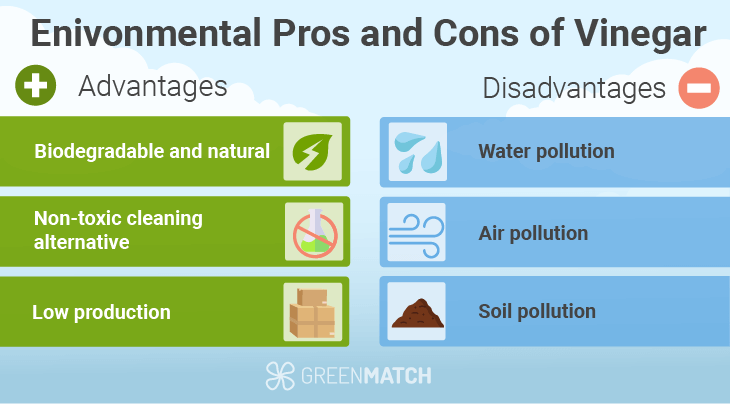
- Environmental Impact: Vinegar has a lower risk of contaminating the soil compared to conventional pesticides.
Prevention of Damage from Vinegar Fumes
To mitigate the potential risk of vinegar fumes harming plants, consider the following preventive measures:
- Avoid Direct Application: Apply vinegar directly to weeds rather than in areas with desirable plants nearby.
- Use in Well-Ventilated Areas: Ensure that the area is well-ventilated to dissipate fumes quickly.
- Timing of Application: Apply vinegar during times when plants are least likely to be sensitive, such as early morning or late evening.
Signs of Damage in Plants
Detecting the signs of damage in plants exposed to vinegar fumes is crucial for early intervention:
- Discoloration: Leaves may turn yellow or brown at the edges, indicating stress.
- Wilting: Plants may appear wilted or droopy, signaling root damage.
- Curled Leaves: Leaves may curl up or become distorted as a reaction to the fumes.
Questions from Our Readers
What should I do immediately after spraying my plants with vinegar?
If you accidentally sprayed your plants with vinegar, it's essential to act quickly. Rinse the affected leaves with plenty of water to dilute and wash away the vinegar, reducing the risk of damage to the plant.
Will vinegar harm my plants permanently?
While vinegar can cause damage to your plants, most plants can recover if the exposure is not extensive. The level of harm depends on the concentration of the vinegar used and the type of plant affected.
How can I identify if my plants are harmed by vinegar?
Signs of vinegar damage include leaf burn, wilting, or browning of the edges and tips. If you notice these symptoms after spraying your plants, it's a clear indication that they may have suffered from vinegar exposure.
Can I prevent future accidents with vinegar in the garden?
To prevent future accidents, always store vinegar and other gardening supplies in clearly labeled containers, and use a spray bottle specifically designed for gardening tasks to avoid confusion.
See also:

If you want to read more articles like What If I Accidentally Sprayed My Plants With Vinegar? Here's What You Need to Know!, we recommend you check out our Plants category.
Leave a Reply
Related Articles