Why is my potted hibiscus losing its leaves but still has blooms? - Causes and Solutions Revealed

Hibiscus plants are treasured for their vibrant blooms and lush foliage, making them a popular choice for both indoor and outdoor gardens. However, it can be concerning when a potted hibiscus begins to lose its leaves, even while still producing beautiful flowers. Understanding the underlying causes of leaf drop is essential for maintaining the health of your plant. This article will explore the various factors that can lead to leaf loss, including environmental conditions, watering practices, and pest issues. Additionally, we will provide effective solutions to help restore your hibiscus to its full glory, ensuring it thrives for years to come.
Why Is My Potted Hibiscus Losing Its Leaves but Still Has Blooms?
Hibiscus plants are known for their stunning blooms, but when you notice that your potted hibiscus is losing its leaves while still flowering, it may indicate various underlying issues. This phenomenon can occur due to environmental factors such as temperature fluctuations, improper watering practices, or even pest infestations. While the plant continues to produce flowers, leaf drop can signal that it is stressed or struggling to maintain its health. Adequate care and attention to these factors can help restore the balance and promote overall well-being in your hibiscus.
Temperature Fluctuations
Hibiscus plants thrive in warm environments, and sudden temperature fluctuations can cause stress that leads to leaf drop. If your plant is exposed to cold drafts or extreme heat, the leaves may fall off as a coping mechanism. Ensuring that your hibiscus is kept in a stable climate, ideally at temperatures between 60°F to 85°F (15°C to 29°C), will help minimize stress and encourage healthy foliage growth alongside blooming.
Improper Watering Practices
Watering habits are crucial for maintaining a healthy hibiscus. Overwatering can lead to root rot, while underwatering can cause the plant to become dehydrated, leading to leaf loss. It is essential to allow the top inch of soil to dry out between waterings and to ensure that the pot has adequate drainage to prevent water from accumulating at the bottom, which can harm the roots. Regular checks on soil moisture can help you strike the right balance.
Pest Infestations
Pest infestations can cause a variety of problems for potted hibiscus, including leaf loss. Common pests such as aphids, spider mites, or whiteflies can sap the plant's strength, leading to wilting and leaf drop. Regular inspections for signs of pests and the implementation of appropriate control measures, such as insecticidal soap or neem oil, can help manage infestations and keep your plant healthy.
Nutrient Deficiency
A lack of essential nutrients can also result in leaf drop while allowing blooms to persist. If your hibiscus is not receiving adequate amounts of nitrogen, phosphorus, and potassium, it may show symptoms such as yellowing leaves and loss of foliage. Fertilizing your plant regularly, using a balanced fertilizer during the growing season, can help replenish nutrients and promote overall plant health.
Seasonal Changes
Seasonal changes can impact a hibiscus's growth cycle significantly. As the plant transitions from the active growth period in spring and summer to dormancy in fall and winter, it may naturally shed some leaves, even if blooms continue to appear. Understanding that this is a normal part of its life cycle can ease concerns about leaf loss. However, it's critical to adjust care practices accordingly, ensuring optimal light and temperature during these transitions.
| Factor | Impact on Hibiscus |
|---|---|
| Temperature Fluctuations | Causes stress leading to leaf drop. |
| Improper Watering | Can lead to root rot or dehydration. |
| Pest Infestations | Saps energy causing leaf loss. |
| Nutrient Deficiency | Leads to inadequate foliage growth. |
| Seasonal Changes | May result in natural leaf drop. |
How do I stop my hibiscus from dropping leaves?


To prevent your hibiscus from dropping leaves, it is essential to understand the specific needs of the plant, as well as the common factors that can lead to leaf drop. Here are several key strategies to maintain the health of your hibiscus and keep those leaves intact.
Understanding Light Requirements
Hibiscus plants thrive in bright, indirect sunlight. Insufficient light can lead to stress, causing leaves to drop. Ensuring your hibiscus receives the appropriate amount of light is crucial.
- Locate in Bright Light: Place your hibiscus near a south or west-facing window where it can receive bright light for most of the day.
- Avoid Direct Sunlight: While bright light is essential, extended periods of direct sunlight may scorch the leaves.
- Provide Supplemental Lighting: During darker months, consider using grow lights to supplement natural light.
Watering Practices
Overwatering or underwatering can stress hibiscus plants, leading to leaf drop. It is important to establish a proper watering schedule.
- Check Soil Moisture: Ensure the top inch of the soil is dry before watering again to prevent root rot.
- Water Thoroughly: When watering, do so until water drains from the bottom of the pot, ensuring the roots are adequately hydrated.
- Avoid Stagnant Water: Make sure your pot has drainage holes, and empty any saucer under the pot to prevent excess water accumulation.
Humidity Levels
Hibiscus are tropical plants that prefer higher humidity levels. Low humidity can cause leaf drop, particularly in dry indoor environments.
- Use a Humidifier: Deploy a humidifier near your hibiscus to maintain moisture in the air.
- Group Plants Together: Keeping your hibiscus with other plants can create a microenvironment with elevated humidity.
- Regular Misting: Mist the leaves with water regularly, especially in the winter when indoor heating can dry the air.
Fertilization Techniques
Nutrient deficiencies can also lead to leaf drop in hibiscus plants. Proper fertilization helps the plant maintain its strength.
- Use a Balanced Fertilizer: Apply a balanced, slow-release fertilizer during the growing season to provide essential nutrients.
- Avoid Over-fertilization: Follow the recommended dosage on the fertilizer package, as too much can lead to root burn and stress.
- Feed During Growing Season: Fertilize every 4-6 weeks from spring through summer, reducing frequency in fall and winter.
Pest and Disease Management
Insects and diseases can cause stress to your hibiscus, often resulting in leaf drop. Regular monitoring and treatment can help.
- Inspect Plants Regularly: Check the undersides of leaves and stems for pests like aphids, spider mites, or whiteflies.
- Use Insecticidal Soap: Treat infestations promptly with insecticidal soap or neem oil as a natural remedy.
- Monitor for Diseases: Look for signs of fungal or bacterial infections, such as discolored spots on leaves, and remove affected foliage.
How to revive a potted hibiscus plant?
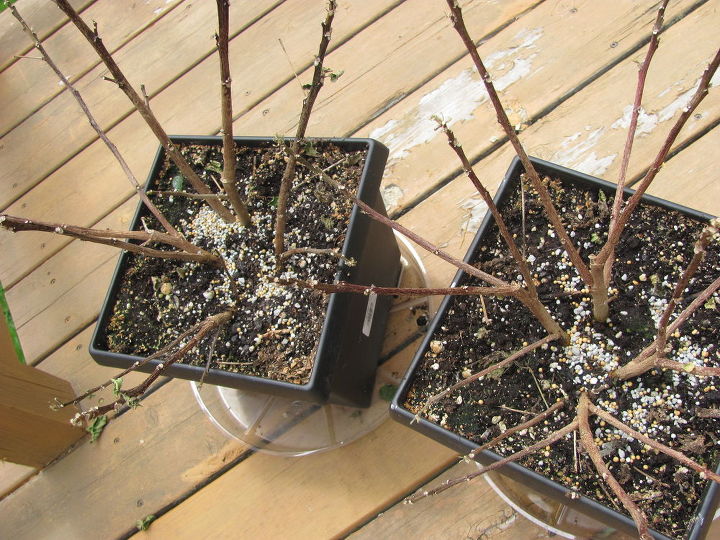
To revive a potted hibiscus plant, you must address several factors that contribute to its health and vitality. A hibiscus may show signs of distress due to inadequate watering, poor lighting, or pest infestations. Here’s a detailed guide on how to nurse your hibiscus back to health.
See also:
Assessing the Watering Needs
Evaluating the watering regime is crucial for a hibiscus plant. Over-watering or under-watering can significantly affect its health.
- Check soil moisture: Insert your finger about an inch into the soil; if it feels dry, it’s time to water.
- Adjust water frequency: Typically, hibiscus plants need watering every few days, but this can vary based on environmental conditions.
- Ensure drainage: Make sure the pot has drainage holes to prevent water accumulation, which can lead to root rot.
Providing Adequate Light
Hibiscus plants thrive in bright, indirect sunlight. Insufficient light can lead to drooping leaves and a lack of blooming.
- Relocate the plant: Place it in a spot where it receives at least 6 hours of indirect sunlight daily.
- Use grow lights: If natural light is limited, consider using grow lights to supplement the plant's light needs.
- Rotate the pot: Turn the pot occasionally to ensure all sides of the plant receive equal light exposure.
Addressing Pest Infestations
Pests can weaken a hibiscus plant, leading to further issues such as leaf drop and stunted growth. Recognizing and treating infestations promptly is key.
- Inspect the leaves: Look for signs of pests like aphids, spider mites, or whiteflies, commonly found on hibiscus.
- Apply insecticidal soap: Using a gentle insecticidal soap can help eliminate pests without harming the plant.
- Keep the environment clean: Regularly clean the area around your plant to remove any potential pest habitats.
Fertilizing Properly
Proper nutrition is vital for the recovery of a potted hibiscus. The right fertilizer can boost growth and flowering.
- Select a balanced fertilizer: Choose a fertilizer that is high in potassium and phosphorus, as these encourage blooming.
- Follow application guidelines: Adhere to the recommended dosage on the fertilizer package to avoid over-fertilizing.
- Feed during the growing season: Fertilize your hibiscus every 4-6 weeks during the spring and summer, when the plant is actively growing.
Pruning for Health
Pruning can help rejuvenate a hibiscus, promoting better air circulation and light penetration while encouraging new growth.
- Cut dead or yellowing leaves: Remove any unhealthy leaves to redirect the plant's energy to healthy growth.
- Trim back leggy growth: Pinch back excessive growth to maintain a compact shape and promote bushier growth.
- Use clean tools: Always use sterilized pruning shears to prevent the spread of diseases between plants.
Questions from Our Readers
Why is my potted hibiscus losing its leaves?
The loss of leaves in your potted hibiscus can be attributed to several factors such as overwatering, underwatering, or temperature stress. It's essential to check if the plant is getting the right amount of moisture and is placed in an ideal environment.
Is it normal for hibiscus to bloom while losing leaves?
Yes, it is quite normal for hibiscus plants to bloom even when they are losing leaves. This can happen due to seasonal changes or stress factors that trigger blooming while the plant is reallocating energy away from foliage.
How can I prevent my hibiscus from losing leaves?
To help prevent leaf loss in your hibiscus, ensure that you provide consistent watering, avoid drastic temperature fluctuations, and make sure your plant is in a location with adequate light. Regularly monitor the soil moisture to maintain optimal conditions.
See also:
Should I worry about my hibiscus losing leaves?
While it's not uncommon for hibiscus to lose some leaves, you should monitor the situation carefully. If the leaf loss is severe or accompanied by other symptoms like discoloration or wilting, it may indicate underlying issues that need addressing to ensure the health of the plant.

If you want to read more articles like Why is my potted hibiscus losing its leaves but still has blooms? - Causes and Solutions Revealed, we recommend you check out our Plants category.
Leave a Reply
Related Articles