Is a Lotus a Water Lily? Exploring the Differences and Similarities
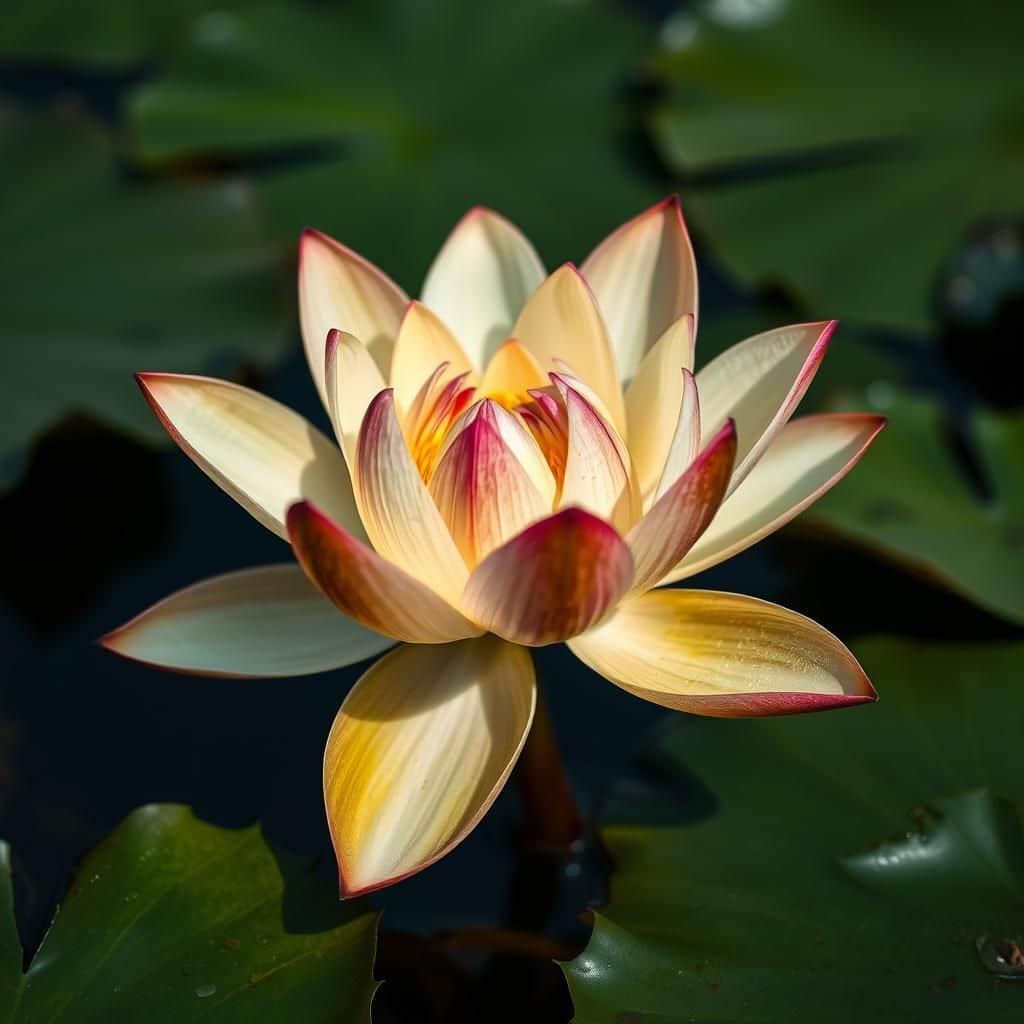
The world of aquatic plants is fascinating and often confusing, particularly when it comes to the terms lotus and water lily. At first glance, these two plants may seem similar, thriving in serene waters with their beautiful blooms and floating leaves. However, significant differences set them apart, including their biological classifications, physical characteristics, and cultural significance. In this article, we will delve into the intricacies of both the lotus and the water lily, exploring their similarities and differences to clarify whether a lotus can truly be considered a water lily. Join us on this botanical journey to uncover the truth.
Is a Lotus a Water Lily?
The question, Is a lotus a water lily? often arises due to the similarities between these two aquatic plants. While they both belong to the order Nymphaeales and share some physical traits, such as their floating leaves and beautiful flowers, they are different species. The lotus is primarily classified under the family Nelumbonaceae, whereas the water lily falls under the family Nymphaeaceae. One of the key distinctions is that lotuses have a more robust structure with stem attachments that grow significantly beneath the water surface, while water lilies typically have a more delicate structure often close to the water's surface. Additionally, lotuses are known for their unique properties in various cultural traditions, particularly in Buddhism and Hinduism, representing purity and enlightenment, which sets them apart from water lilies in terms of cultural significance.
Taxonomical Differences
The taxonomical classification of lotuses and water lilies illustrates their differences significantly. Lotuses belong to the family Nelumbonaceae, specifically in the genera Nelumbo, with notable species such as Nelumbo nucifera (the Indian Lotus). In contrast, water lilies belong to the family Nymphaeaceae, with various species found in the genus Nymphaea. This classification suggests that despite their similar appearances, they originate from different evolutionary lineages.
Physical Characteristics
Both lotuses and water lilies possess unique physical characteristics that distinguish them from one another. The lotus features closed flowers that rise above the water surface, a prominent feature that also includes its large circular leaves that can measure up to three feet in diameter. In contrast, water lilies boast flowers that float on the water surface and leaves that are often more rounded and smaller in comparison. Additionally, the structure of the lotus roots anchors deeper into the sediments of riverbeds, giving it an advantage in certain environments.
Cultural Significance
From a cultural perspective, lotuses hold profound symbolism in various religions, most notably in Buddhism and Hinduism, where they represent spiritual enlightenment and purity amid impurity. The lotus flower's ability to bloom pristine from murky waters signifies the journey from darkness to light. Meanwhile, water lilies, while appreciated for their beauty, do not carry the same extensive cultural implications and are primarily valued for their visual appeal in ornamental gardens and ponds.
See also:
Environmental Adaptations
When it comes to environmental adaptations, lotuses and water lilies exhibit different strategies for survival in aquatic ecosystems. Lotuses thrive in deeper waters, often extending their roots several feet into the sediment, which allows them to access nutrients that are not available to other plants. In contrast, water lilies are generally found in shallow waters where they can swiftly take advantage of sunlight and nutrients from the expanded surface area of their leaves, which also aids in photosynthesis.
Uses in Cuisine and Medicine
Both plants have notable uses in cuisine and medicine. The lotus is highly regarded in Asian herbal medicine and cuisine, with various parts of the plant—such as roots, seeds, and leaves—being used to prepare diverse dishes and remedies. Lotus seeds are a common ingredient in soups and desserts, recognized for their nutritional benefits. Conversely, while water lilies are less prominent in culinary contexts, their flowers and leaves are sometimes used as decorative elements in dishes or for aesthetic purposes in culinary presentations.
| Aspect | Lotus | Water Lily |
|---|---|---|
| Family | Nelumbonaceae | Nymphaeaceae |
| Common Species | Nelumbo nucifera | Nymphaea alba |
| Growth Depth | Deeper waters | Shallower waters |
| Cultural Significance | High (in Buddhism and Hinduism) | Low |
| Uses in Cuisine | Widely used (e.g., seeds, roots) | Minimal |
Understanding the Botanical Distinctions Between Lotus and Water Lily
The lotus and water lily are often confused due to their similar habitats and striking appearances, yet they belong to different families and exhibit distinct characteristics. The lotus, specifically the species in the genus Nelumbo, has unique features such as a large and circular leaf that commonly emerges above the water's surface, while its flowers can rise significantly above the foliage. In contrast, the water lily, belonging to the genus Nymphaea, typically has flat leaves that float on the water's surface and flowers that bloom at or near the water level. These botanical differences emphasize not only their taxonomy but also their adaptability to varying aquatic environments.
Scientific Classification of Lotus and Water Lily
The scientific classification of both the lotus and water lily highlights their divergence in the plant kingdom. While the lotus belongs to the family Nelumbonaceae, the water lily is classified under Nymphaeaceae. Understanding these taxonomic divisions provides insight into their evolutionary paths, adaptations, and how they fit within the broader context of aquatic plants.
Physical Characteristics of Lotus Flowers
Lotus flowers are notable for their large, fragrant blooms that can range in color from white to pink to blue. One defining characteristic is their ability to rise above the water, sometimes reaching heights of up to 30 inches. Additionally, the seed pods of the lotus are unique, containing seeds that can remain viable for centuries, illustrating the remarkable resilience of this plant.
See also:
Physical Characteristics of Water Lily Flowers
Conversely, water lily flowers typically rest on the water's surface, with petals that spread outwards, creating a beautiful floating display. These flowers tend to be smaller than lotus flowers and exhibit a more subdued fragrance. The leaves of water lilies can be nearly circular, often supported by a long petiole that connects them to the underwater rhizome, which contributes to their buoyancy.
Habitat Preferences for Lotus and Water Lily
Both lotus and water lilies thrive in freshwater environments, yet their habitat preferences slightly differ. The lotus is often found in deeper waters with muddy substrates, allowing it to root deeply, while water lilies prefer shallow areas where sunlight can penetrate easily to reach the photosynthetic leaves. This distinction influences their overall distribution in natural water bodies, including lakes and ponds.
Cultural Significance of Lotus and Water Lily
The cultural significance of the lotus and water lily varies across different societies. The lotus holds a prominent place in various mythologies and is often a symbol of purity and enlightenment in religions like Buddhism and Hinduism. In contrast, water lilies, known for their serene beauty and delicate blooms, have inspired poets and artists alike, representing tranquility and grace in many traditions, especially in impressionist art.
Questions from Our Readers
Is a lotus a water lily?
No, a lotus is not a water lily, although they are often confused. They belong to different families; the lotus is part of the Nelumbonaceae family, while water lilies belong to the Nymphaeaceae family. Both plants thrive in aquatic environments and share similar features, but they have distinct differences in their structure and flowering patterns.
What are the main differences between a lotus and a water lily?
The main differences lie in their flowers, leaves, and growth habits. Lotus flowers tend to be larger and rise above the water surface while water lily flowers typically float on the surface. Additionally, the leaves of lotus plants are often more rigid and can be higher above the water, whereas water lily leaves are generally more flexible and float on top of the water.
See also:
Are lotus and water lily used for the same purposes?
While both plants are appreciated for their aesthetic value in gardening and decor, they have different uses as well. Lotus is often used in Asian cuisine and traditional medicine, while water lilies are mostly enjoyed for ornamental purposes in ponds and water gardens. Each plant has unique characteristics that make them suitable for specific applications.
Can lotus and water lily coexist in the same pond?
Yes, both lotus and water lilies can coexist in the same pond, but careful consideration is needed regarding their growth conditions. Since they have different requirements for sunlight, space, and nutrients, it's essential to monitor their growth and provide enough resources for both plants to thrive without overcrowding each other.

If you want to read more articles like Is a Lotus a Water Lily? Exploring the Differences and Similarities, we recommend you check out our Plants category.
Leave a Reply
Related Articles