Is Hibiscus a Fruit or a Veg? Discover the Truth Behind This Popular Plant
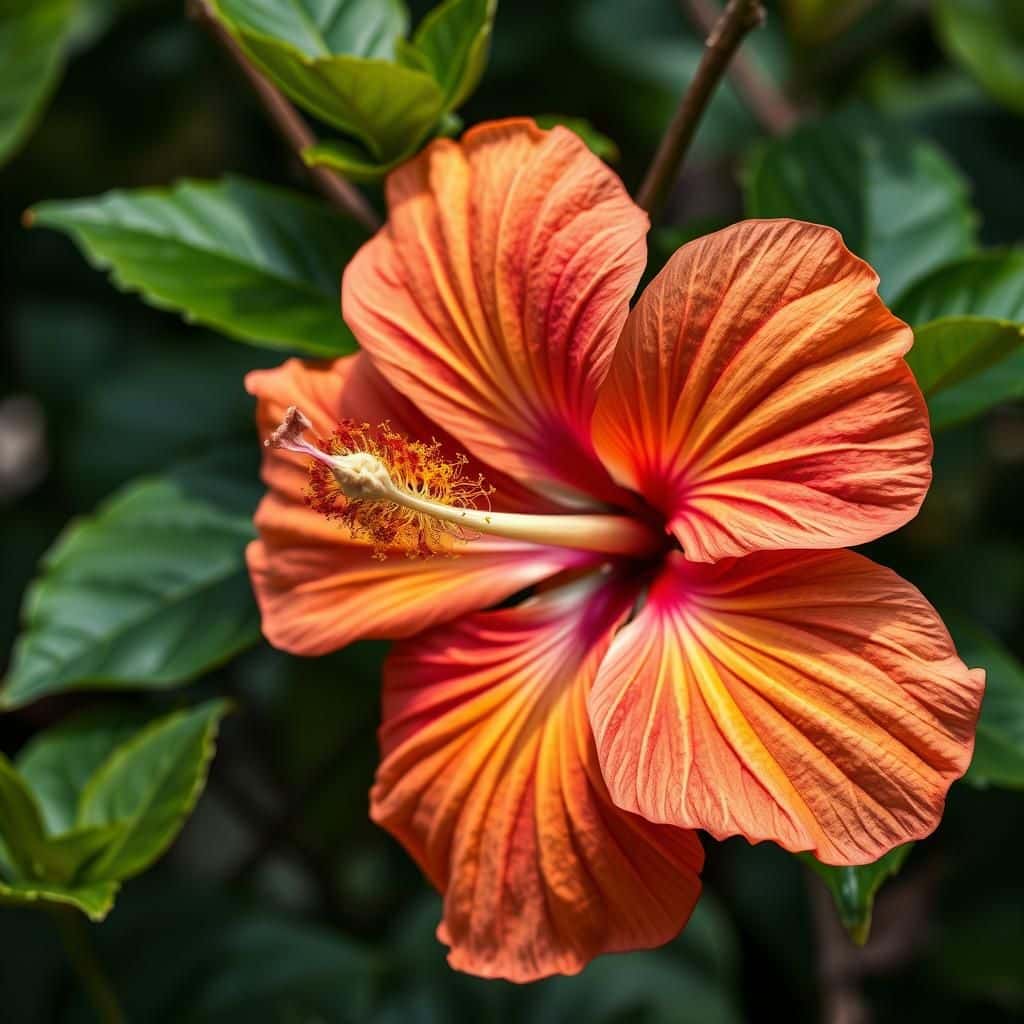
Hibiscus is a vibrant plant celebrated for its striking flowers and numerous health benefits, often gracing gardens and beverages alike. However, there is a common question that arises among enthusiasts: is hibiscus a fruit or a vegetable? This article seeks to untangle the confusion surrounding this popular plant, exploring its botanical classification, culinary uses, and nutritional value. By delving into the characteristics that define hibiscus, we aim to clarify its role in both the garden and the kitchen. Join us as we uncover the truth behind hibiscus and its rightful place in our diets.
Is Hibiscus a Fruit or a Vegetable?
Hibiscus is primarily known as an herbaceous perennial plant, but its classification can be somewhat confusing when discussing whether it is a fruit or a vegetable. In botanical terms, hibiscus refers to the flowering plant genus in the Malvaceae family. The part of the hibiscus that is often consumed is actually the calyx, which is the part of the plant that encloses the flower bud, and this part is used to make delicious teas and beverages, commonly referred to as hibiscus tea. While the calyx has fruit-like qualities, it is not classified as a fruit or a vegetable in the traditional culinary sense. Instead, it can be seen as a edible flower that provides flavor and color, making it versatile in various culinary applications.
Botanical Classification of Hibiscus
The botanical classification of hibiscus places it in the genus Hibiscus, which includes around 200 species. All species belong to the Malvaceae family, thus falling under the category of flowering plants. For example, the most common species, Hibiscus sabdariffa, is known for its edible calyx. Botanically, hibiscus is recognized for its showy flowers and unique features, making it a plant respected not only for its ornamental value but also for its culinary uses.
Culinary Uses of Hibiscus
In culinary terms, hibiscus is predominantly used for making teas, jams, jellies, and even as a flavoring agent in various dishes. The dried calyxes are steeped in water to create a tart, refreshing beverage that is rich in vitamin C and has numerous health benefits. It can be consumed hot or cold and is often sweetened to balance its tartness. Additionally, hibiscus is sometimes used in cocktails, dressings, and desserts, highlighting its versatility in the kitchen.
Nutritional Profile of Hibiscus
Hibiscus is not only flavorful but also packed with nutrients. It contains various vitamins, such as vitamin C, and minerals like calcium and iron. The presence of antioxidants such as anthocyanins contributes to its health benefits, including potential lowering of blood pressure and cholesterol levels. Thus, the consumption of hibiscus can be beneficial for overall health, making it more than just a decorative plant.
See also:
Hibiscus in Different Cultures
Hibiscus carries cultural significance in various parts of the world. In regions such as Africa, it is integral to traditional beverages like bissap, which is made from dried hibiscus flowers. In Hawaii, hibiscus is often used as a symbol of hospitality, and the blooms are frequently worn in hair as a sign of welcoming. These cultural practices highlight hibiscus's role as not just a culinary delight but also a symbol of community and heritage.
Hibiscus and its Health Benefits
The health benefits associated with hibiscus are supported by numerous studies. This flower has been linked to anti-inflammatory properties and may assist in regulating blood pressure. Drinking hibiscus tea may also help support liver health and improve digestion, thanks to its diuretic properties and the presence of beneficial phytochemicals. With its wide range of health advantages, hibiscus secures its place not only in culinary practices but also in natural health remedies.
| Aspect | Classification | Culinary Use | Nutritional Benefits |
|---|---|---|---|
| Type | Herbaceous Flowering Plant | Teas, Jams, Cocktails | Rich in Vitamin C, Antioxidants |
| Family | Malvaceae | Salads, Desserts | Anti-inflammatory, Diuretic |
| Cultural Significance | Widely Recognized | Traditional Beverages | Supports Heart Health |
Unveiling the Botanical Classification of Hibiscus
The Hibiscus plant, often celebrated for its vibrant flowers, is a point of confusion regarding its classification as a fruit or a vegetable. Botanically, hibiscus belongs to the Malvaceae family, and the parts typically used in culinary applications are the calyces, which are the outer protective parts of the flower. These calyces are utilized for making drinks, jams, and tea, leading many to consider hibiscus more like a fruit, although technically it is a flower. Therefore, understanding hibiscus within the context of botanical classifications reveals its dual nature as a plant used for culinary and medicinal purposes, yet it does not fit neatly into the categories of fruit or vegetable.
The Culinary Uses of Hibiscus
In the culinary world, hibiscus is often used in various dishes and beverages, particularly in tropical regions. The dried calyces can be steeped to make a refreshing tea known for its tart flavor, reminiscent of cranberries. Beyond beverages, hibiscus is also incorporated into salads, sorbets, and even jams, showcasing its versatility in both sweet and savory dishes. The plant's distinctive color and flavor profile contribute to its popularity, further blurring the lines between fruit and vegetable classification.
The Nutritional Benefits of Hibiscus
Hibiscus is rich in vitamins, particularly Vitamin C, and antioxidants, making it a beneficial addition to diets. Studies have highlighted its potential effects in lowering blood pressure and promoting heart health. These health benefits often associate hibiscus with fruit-like attributes, despite its classification as a flower. The presence of anthocyanins in hibiscus also contributes to its vibrant color and offers additional antioxidant properties, further enhancing its appeal.
See also:
Hibiscus Variations Around the World
Globally, there are numerous varieties of hibiscus, each with unique characteristics and uses. For instance, Hibiscus sabdariffa, commonly known for its calyxes, is predominantly cultivated for culinary uses in regions like West Africa and the Caribbean. Conversely, the Hibiscus rosa-sinensis, famed for its ornamental flowers, may not be used as widely in food. This global diversity highlights the adaptability and varied perception of hibiscus across different cultures, adding layers to its classification.
The Role of Hibiscus in Traditional Medicine
In traditional medicine, hibiscus has been revered for its therapeutic properties. It is commonly used in herbal remedies for ailments ranging from digestive issues to inflammation. The calyces are believed to possess properties that help in detoxification and immune support, further cementing its importance in various medicinal practices. This medicinal value ties closely with its classification, as many herbs and plants used for health purposes may not fit solely into the fruit or vegetable categories.
Hibiscus and Its Environmental Impact
As a plant, hibiscus plays a significant role in promoting biodiversity and encouraging pollinator activity. The bright, attractive flowers draw in a variety of bees, butterflies, and other insects essential for maintaining healthy ecosystems. Additionally, hibiscus can be relatively easy to cultivate, making it a popular choice for gardeners seeking to support local wildlife while enjoying the aesthetic and culinary benefits of the plant. This positive environmental contribution adds to the complexities of its classification within the broader plant kingdom.
Questions from Our Readers
Is hibiscus considered a fruit or a vegetable?
Hibiscus is primarily classified as a flowering plant and is neither a traditional fruit nor a vegetable. The parts of the hibiscus that are often used, such as the calyx, can be used in culinary applications, but they don't fit the botanical definitions of fruits or vegetables.
What part of the hibiscus plant is edible?
The most commonly consumed part of the hibiscus plant is the calyx, which is the part that surrounds the flower bud. This calyx is often used to make tea, syrups, and jams due to its tart flavor and vibrant color.
See also:
Are there any health benefits of consuming hibiscus?
Yes, consuming hibiscus can offer several health benefits, including antioxidant properties, blood pressure regulation, and potential weight management support. Its rich vitamin C content also contributes to overall immune health.
How is hibiscus commonly used in cooking?
Hibiscus is widely used in cooking and beverages, often steeped to make tea or used in recipes for syrups and sauces. Its tangy flavor adds a unique taste to dishes and drinks, making it a popular ingredient in many cuisines.

If you want to read more articles like Is Hibiscus a Fruit or a Veg? Discover the Truth Behind This Popular Plant, we recommend you check out our Plants category.
Leave a Reply
Related Articles