What Plants Should You Not Use Epsom Salts On? Essential Guide for Gardeners

Epsom salts, composed of magnesium sulfate, have gained popularity among gardeners for their potential benefits in promoting plant growth and improving nutrient uptake. However, not all plants respond positively to Epsom salts. In fact, certain species may suffer adverse effects, leading to stunted growth or nutrient imbalances. This essential guide will explore which plants should be avoided when using Epsom salts, helping gardeners make informed decisions to protect their greenery. Understanding the unique needs of various plants is crucial for successful gardening, and this article aims to illuminate those specific cases where Epsom salts might do more harm than good.
What Plants Should You Not Use Epsom Salts On?
Epsom salts, primarily composed of magnesium sulfate, can provide benefits to many plants; however, there are specific plants that do not respond well to their use. For instance, plants that prefer neutral to acidic soil conditions, such as azaleas, rhododendrons, and blueberries, should be avoided when considering Epsom salts due to their sensitivity to high magnesium levels, which can lead to nutrient imbalances. Additionally, certain herbs like basil and parsnips can suffer from excessive magnesium, leading to poor growth, making it essential for gardeners to know the needs and tolerances of their specific plant varieties.
1. Azaleas
Azaleas are sensitive to high levels of magnesium, which can disrupt their overall health and nutrient uptake. These plants thrive in acidic conditions, and the addition of Epsom salts can lead to root burn and stunted growth due to the imbalance in soil nutrients, particularly when magnesium is added in excess.
2. Rhododendrons
Similar to azaleas, rhododendrons prefer acidic soils and do not require additional magnesium. The use of Epsom salts can alter the soil pH and adversely affect the delicate balance of nutrients, potentially resulting in poor growth and vibrant foliage as they become magnesium-toxic.
3. Blueberries
Blueberries are another plant that should not be treated with Epsom salts since they thrive in low pH conditions. Excessive magnesium from Epsom salts can disrupt nutrient absorption of essential elements, leading to issues like leaf yellowing and reduced fruit production.
4. Basil
Basil typically grows well in nutrient-rich, well-draining soil but does not respond positively to Epsom salts. An overabundance of magnesium can harm this herb's health, potentially stunting growth and diminishing flavor, as it can interfere with the plant's natural nutrient uptake.
5. Parsnips
Parsnips are root vegetables that are sensitive to soil composition. Too much magnesium from Epsom salts can hinder their growth and can lead to a decrease in yield. It's important to maintain a balanced nutrient profile for these plants to ensure optimal development and flavor.
| Plant | Reason for Avoiding Epsom Salts |
|---|---|
| Azaleas | High magnesium levels can disrupt nutrient uptake. |
| Rhododendrons | Excessive magnesium can alter soil pH adversely. |
| Blueberries | High magnesium can lead to nutrient absorption issues. |
| Basil | Overabundance of magnesium can diminish flavor and growth. |
| Parsnips | Excess magnesium can hinder growth and yield. |
What plants love magnesium?

Magnesium is an essential nutrient for plants, playing a crucial role in chlorophyll production and overall plant health. Various plants thrive when they receive adequate amounts of magnesium, contributing to vibrant growth and higher yields. Here are some plants that particularly love magnesium:
1. Leafy Greens: Plants such as spinach, kale, and Swiss chard benefit significantly from magnesium, as it aids in the development of chlorophyll which is essential for photosynthesis.
2. Tomatoes: Magnesium helps tomatoes strengthen their cell walls and encourages better fruit formation.
3. Peppers: Bell peppers and hot peppers both require magnesium for optimal growth and fruiting.
4. Legumes: Plants like beans and peas need magnesium for proper nitrogen fixation, supporting their growth and development.
5. Cabbage Family: Cabbage, broccoli, and cauliflower are other members of the plant world that benefit from magnesium, enhancing their overall nutrient uptake.
Leafy Greens and Magnesium
Leafy greens, such as spinach, kale, and Swiss chard, are particularly sensitive to magnesium levels in the soil. Magnesium's role in chlorophyll synthesis helps these plants maintain their rich green color and healthy growth.
See also:
- Enhances photosynthesis efficiency.
- Prevents yellowing of leaves, known as chlorosis.
- Improves flavor and nutrient content of the leaves.
Tomatoes and Magnesium Requirements
Tomatoes are another plant that thrives with sufficient magnesium. This nutrient is crucial for promoting strong cell walls and supporting the plant's overall structure.
- Enhances fruit size and quality.
- Reduces blossom end rot, a common issue in tomatoes.
- Promotes a stronger, healthier plant, more resistant to environmental stress.
Peppers: A Need for Magnesium
Both sweet and hot peppers rely on magnesium for proper growth and development. This nutrient helps augment the balance of nutrients within the plant, leading to healthier yields.
- Enables better fruit set and development.
- Helps maintain vibrant foliage color.
- Improves resistance to pests and diseases.
Legumes: Dependency on Magnesium
Leguminous plants, such as beans and peas, are particularly dependent on magnesium for nitrogen fixing. This allows them to thrive in a variety of soil conditions due to their ability to enrich the soil.
- Supports nodulation, which aids in nitrogen fixation.
- Improves plant vigor and growth rates.
- Enhances the overall nutrient profile of the soil.
Cabbage Family and Magnesium Needs
Members of the cabbage family, including broccoli, cabbage, and cauliflower, require magnesium for optimal growth and productivity. This nutrient plays a key role in their development and health.
- Encourages healthy leaf development and structure.
- Improves disease resistance.
- Supports overall productivity through robust growth.
Which plants don't like Epsom salts?
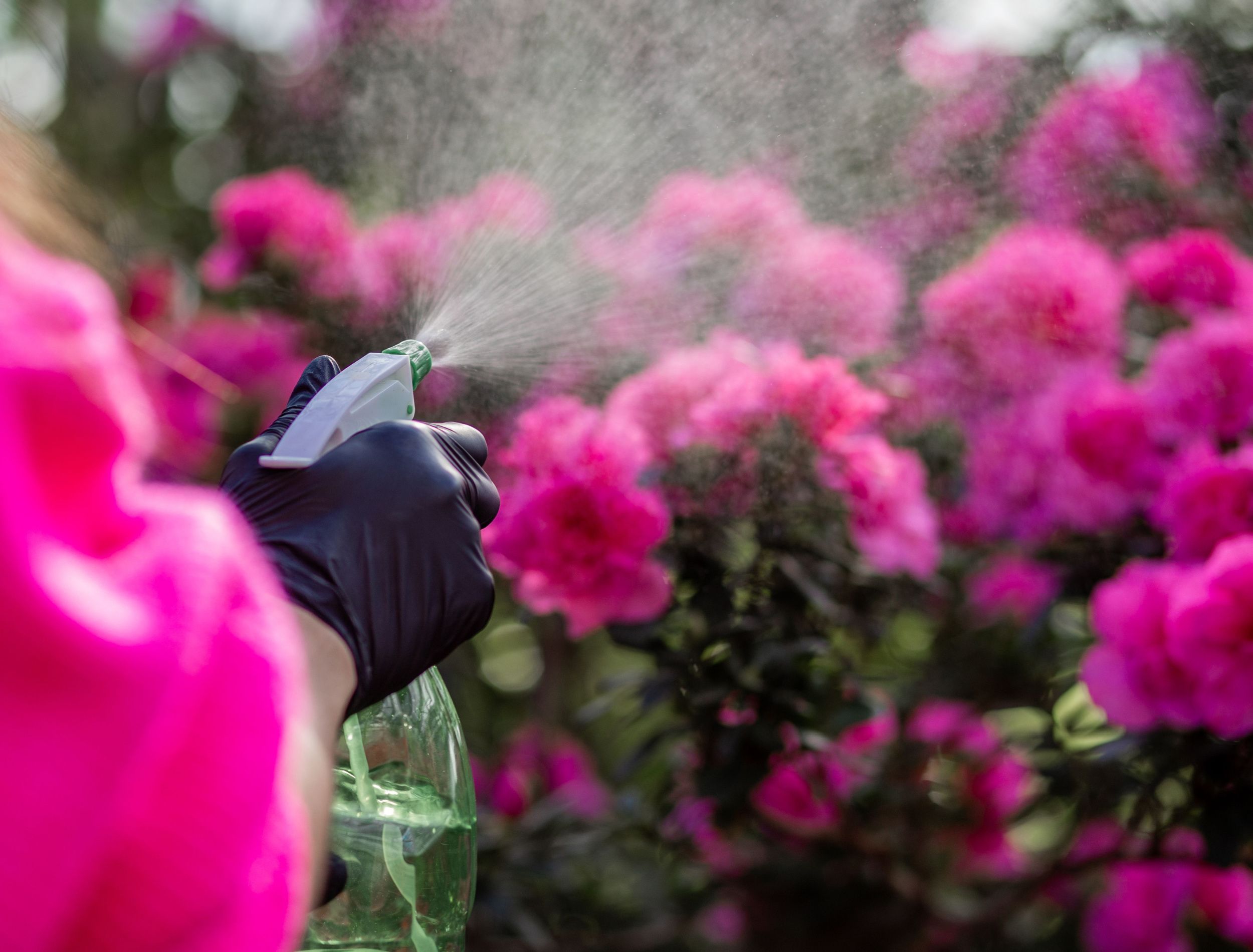
Epsom salts, composed of magnesium sulfate, can be beneficial for many plants by providing essential nutrients. However, there are specific plants that do not respond well to Epsom salts or may even be harmed by their application. Understanding which plants are sensitive to Epsom salts is crucial for maintaining a healthy garden.
Plants Sensitive to Magnesium
Certain plants have a low requirement for magnesium and can suffer from imbalances if Epsom salts are applied. For example:
- Nightshade Family: Plants such as tomatoes, peppers, and eggplants may not require additional magnesium and can develop nutrient imbalances.
- Cabbage Family: Cruciferous vegetables like broccoli and kale are sensitive to excess magnesium, which can hinder their growth.
- Leguminous Plants: Beans and peas thrive in nitrogen-rich soils and do not benefit from the addition of magnesium.
Succulents and Cacti
Many succulent and cacti species have adapted to thrive in low-nutrient environments, making them less tolerant to Epsom salts. Over-fertilizing with Epsom salts can lead to:
- Root Burn: Overapplication can cause root damage and impede water absorption.
- Leaf Burn: Excess magnesium can cause leaf discoloration and necrosis.
- Stunted Growth: Instead of promoting growth, it may hinder development in these plants.
Aromatic Herbs
Certain aromatic herbs can also be adversely affected by Epsom salts. Examples include:
- Basil: Overuse of magnesium can impair flavor development and lead to weaker plants.
- Mint: This herb can experience growth issues when Epsom salts are added.
- Oregano: Similar to other herbs, oregano prefers a balanced nutrient mix and can be harmed by excess magnesium.
Fruit Trees
Many fruit trees can have adverse reactions to Epsom salts, especially those that prefer low-nutrient soils. Consider the following:
- Citrus Trees: These trees may suffer from magnesium toxicity if Epsom salts are applied unnecessarily.
- Apple Trees: Excess magnesium can lead to imbalanced nutrient uptake, affecting fruit quality.
- Peach Trees: Sensitive to elevated magnesium levels, leading to poor fruit development.
Houseplants
Some houseplants do not appreciate the addition of Epsom salts. Common species include:
See also:
- Fiddle Leaf Fig: This popular houseplant is sensitive to excess nutrients and may show signs of distress.
- Philodendron: Over-fertilizing can disrupt its nutrient balance, leading to unhealthy growth.
- Spider Plant: These plants thrive in low-nutrient conditions and do not require Epsom salts.
Is Epsom salt bad for any plants?

Epsom salt, primarily composed of magnesium sulfate, is often used in gardening to enhance plant growth. However, while it can be beneficial for many plants, there are specific conditions under which Epsom salt might not be suitable for certain plants.
Effects of Magnesium on Plants
Magnesium is crucial for chlorophyll production and overall plant health. While many plants benefit from added magnesium, some may have negative reactions to excess magnesium levels. For instance, a high concentration can lead to nutrient imbalances that affect plant growth:
- Some plants may experience reduced nutrient uptake from the soil.
- Excessive magnesium can interfere with other minerals like calcium and potassium.
- Plants sensitive to saline conditions might suffer from high Epsom salt applications due to increased soil salinity.
Plants That May Suffer from Epsom Salt
Certain plants may not thrive with the application of Epsom salt. For example, legumes and some ornamental plants might be adversely affected. These plants may already obtain sufficient magnesium from the soil:
- Legumes like peas and beans do not require extra magnesium, and application could disrupt their growth.
- Some ornamental plants are sensitive to salt levels and may show signs of stress.
- Root-sensitive plants may experience reduced growth or root damage if Epsom salt levels are too high.
Signs of Epsom Salt Overuse
Overusing Epsom salt can lead to various symptoms in plants which indicate stress or nutrient deficiency. Observers should be on the lookout for:
- Leaf chlorosis, or yellowing, often occurs due to nutrient imbalances.
- Shrivelling or wilting of leaves may suggest that the plant isn't able to absorb water efficiently.
- Slow or stunted growth indicating poor overall plant health.
Soil Testing Before Application
Before adding Epsom salt, conducting a soil test is essential to determine the existing levels of magnesium and sulfates. By understanding soil composition, gardeners can avoid negative effects:
- Soil tests can reveal nutrient deficiencies or excesses.
- Testing will help ensure that the soil pH is suitable for the plant species.
- Understanding soil conditions allows for informed decisions about Epsom salt application.
Recommended Usage Guidelines
When opting to use Epsom salt, it’s crucial to follow some general guidelines to ensure that plants receive the benefits without adverse effects:
- Mix Epsom salt at a ratio of 1 tablespoon per gallon of water for a diluted solution.
- Apply during the growing season to maximize uptake when plants need magnesium the most.
- Observe plant responses after application and adjust as necessary to prevent toxicity.
Questions from Our Readers
What plants should you avoid using Epsom salts on?
Using Epsom salts can be beneficial for many plants, but you should avoid using them on cacti and succulents as they prefer low magnesium levels. Additionally, some root vegetables like potatoes and carrots may not respond well to magnesium, potentially affecting their growth negatively.
Are there any specific flowers that shouldn't be treated with Epsom salts?
Yes, certain flowers such as lilies and geraniums may experience nutrient imbalance if given too much magnesium from Epsom salts. Overuse can lead to poor flowering and stunted growth, so it's best to use Epsom salts sparingly or avoid them altogether on these plants.
Can I use Epsom salts on my herb garden?
While many herbs can benefit from Epsom salts, avoiding the use on herbs like basil in excess is advisable, as it can lead to bitter flavors and poor growth if the magnesium levels become too high. Therefore, use it judiciously and monitor for any adverse effects on flavor and health.
What vegetables don't thrive with Epsom salts?
Vegetables such as beets and onions typically do not thrive with the addition of Epsom salts. The increased magnesium levels can interfere with their development and nutrient uptake, making it important to stick to a balanced fertilization approach for these crops.
See also:

If you want to read more articles like What Plants Should You Not Use Epsom Salts On? Essential Guide for Gardeners, we recommend you check out our Plants category.
Leave a Reply
Related Articles