What Pairs Well with Coneflower? Discover the Perfect Companion Plants and Tips

Coneflowers, also known as Echinacea, are vibrant perennials that not only attract pollinators but also offer a unique aesthetic appeal to any garden. However, selecting the right companion plants can enhance their beauty and promote a healthier ecosystem. In this article, we will explore which plants pair well with coneflowers, considering factors such as color harmony, growth requirements, and seasonal interest. Additionally, we'll provide tips on how to create a thriving planting scheme that not only showcases these stunning flowers but also ensures that all the plants in your garden can coexist harmoniously.
Perfect Companions for Coneflower
Coneflower, or Echinacea, is a stunning perennial that not only adds vibrant colors to gardens but also thrives alongside a variety of plants. When considering companion plants, it pairs exceptionally well with species such as Black-eyed Susans and Sedums due to their similar sunlight and water requirements. Additionally, planting Coneflower among herbs like Thyme and Oregano can attract beneficial pollinators while deterring pests, creating a healthier garden environment. This combination fosters a biodiverse habitat, enhancing both visual appeal and ecosystem functionality.
Benefits of Pairing Coneflower with Black-eyed Susans
Black-eyed Susans (Rudbeckia hirta) are excellent companions for Coneflower as they bloom at similar times and share similar cultural needs, thriving in full sun and well-draining soils. Their contrasting colors, with the warm yellows of the Black-eyed Susan juxtaposing the vibrant purples of the Coneflower, create a visually striking display. Additionally, both plants are drought-tolerant and resistant to common pests, making them low-maintenance choices that enhance the beauty and health of garden landscapes.
Complementing Coneflower with Sedums
Sedums, or stonecrops, are succulent plants that complement Coneflowers beautifully due to their low growing habit and diverse textures. These hardy plants thrive in similar conditions, such as well-drained soil and full sun, creating an appealing layered look in floral arrangements. The resilience of Sedums against drought means they can thrive during the hotter months, ensuring that the garden remains vibrant and full of life, even when water is scarce.
Enhancing Gardens with Herbs
Incorporating herbs like Thyme and Oregano near Coneflowers not only provides culinary options but also benefits the overall garden ecosystem. These aromatic herbs can attract beneficial pollinators like bees and butterflies while keeping harmful pests at bay. Their presence encourages a diverse range of wildlife, leading to more robust pollination of the Coneflowers and improving the overall growth and health of the garden.
Attracting Pollinators with Coneflower Mix
Mixing Coneflowers with other native plants such as Milkweed or Phlox can significantly enhance your garden's attractiveness to pollinators. These plants bloom at different times, providing a consistent food source for bees, butterflies, and other beneficial creatures throughout the growing season. Creating a pollinator garden encourages biodiversity and aids in maintaining healthy ecosystems, making it an ideal choice for those looking to foster support for essential environmental roles.
Creating Color Harmony with Coneflower and Coreopsis
Planting Coreopsis alongside Coneflowers results in a vibrant color palette that can elevate any garden landscape. The warm yellows of Coreopsis create a lovely contrast with the deep purples and pinks of the Coneflower, offering visual depth and interest. Both plants have similar water and light requirements, allowing them to grow harmoniously together. This aesthetic combination not only attracts the eye but also supports a thriving habitat for various wildlife.
| Companion Plant | Benefits |
|---|---|
| Black-eyed Susans | Visual contrast, similar needs |
| Sedums | Layered texture, drought-tolerant |
| Thyme | Attracts pollinators, culinary use |
| Coreopsis | Color harmony, low maintenance |
| Milkweed | Supports pollinators, biodiversity |
What looks good next to coneflowers?
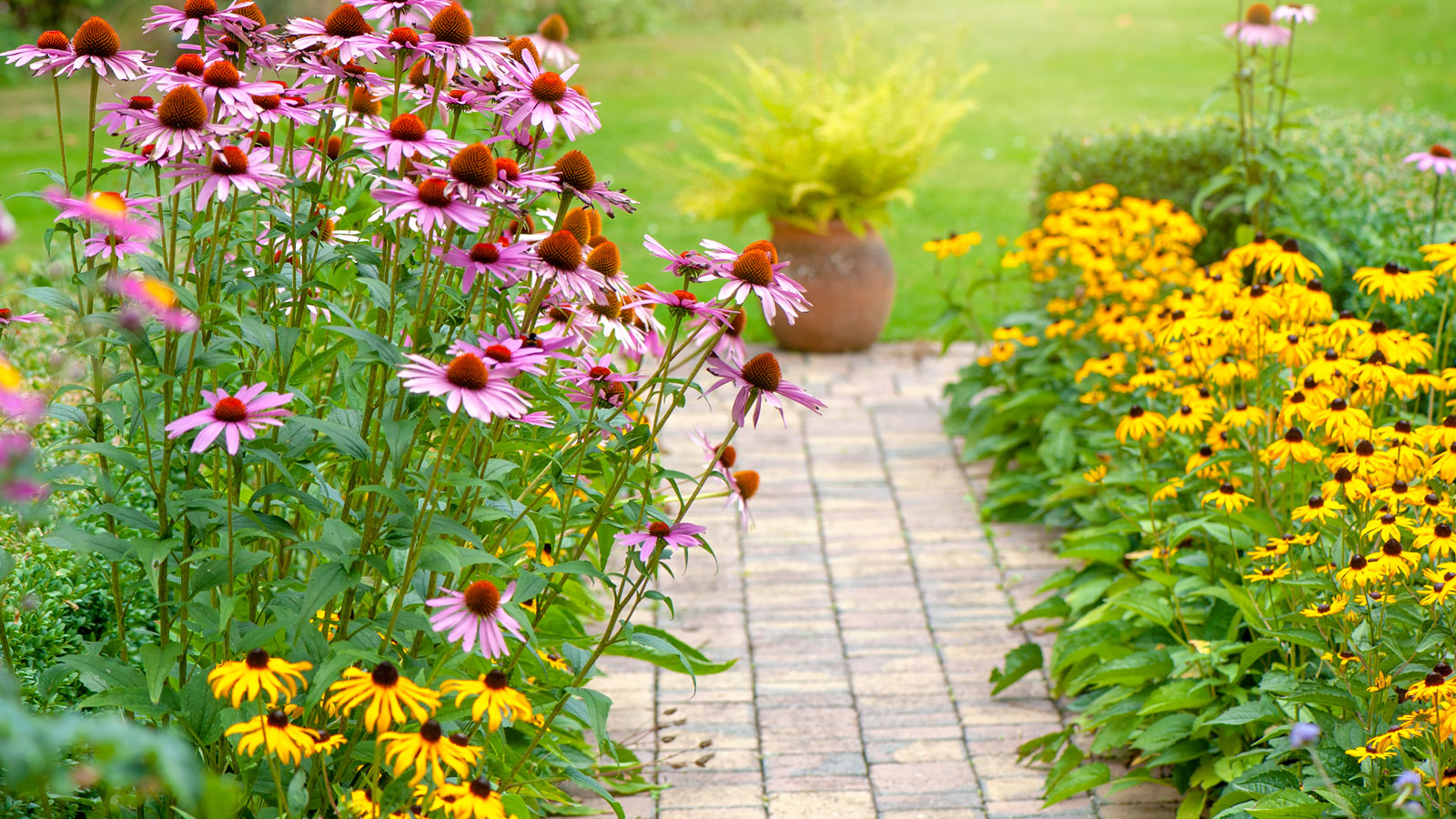
Coneflowers, also known as Echinacea, are striking perennial flowers that are loved for their vibrant colors and ability to attract pollinators. When planting coneflowers, it’s important to consider companion plants that will enhance their beauty and create a harmonious garden design. Here are some excellent choices for what looks good next to coneflowers.
1. Black-eyed Susans
Black-eyed Susans (Rudbeckia hirta) are a fantastic companion plant for coneflowers. Both thrive in similar conditions and bloom during the same season, creating a vibrant display of colors.
See also:
- Color Contrast: The bright yellow petals of black-eyed Susans provide a beautiful contrast to the vivid purple and pink hues of coneflowers.
- Pollinator Attraction: Like coneflowers, black-eyed Susans attract a variety of beneficial pollinators, enhancing the biodiversity of the garden.
- Easy Maintenance: Both plants are drought-tolerant and require similar care, making them easy to grow together.
2. Catmint
Catmint (Nepeta) is another excellent pairing with coneflowers thanks to its lush foliage and beautiful lavender flowers.
- Textural Contrast: The fine, silver-green leaves of catmint contrast beautifully with the sturdy, upright form of coneflowers.
- Long Blooming Period: Catmint blooms earlier than coneflowers, providing visual interest in the garden before the coneflowers emerge.
- Low Maintenance: Catmint is resilient and drought-tolerant, which complements the hardy nature of coneflowers.
3. Sedum
Sedum, or stonecrop, is a succulent plant that can provide a unique addition to a garden with coneflowers.
- Diverse Shapes: With its various shapes and heights, sedum can create a dynamic look alongside coneflowers.
- Color Variations: Sedum comes in several colors that can complement the cone-shaped blooms of coneflowers, providing a pleasant array.
- Drought Resistance: Both plants thrive in well-drained soil and require minimal watering, making them perfect partners.
4. Yarrow
Yarrow (Achillea millefolium) is another native perennial that works well alongside coneflowers.
- Height Variation: Yarrow can grow tall and adds vertical interest next to the more rounded form of coneflowers.
- Pollinator-Friendly: Like coneflowers, yarrow is adored by bees and butterflies, making the garden lively and active.
- Color Harmony: Yarrow comes in shades like yellow, white, and pink, which can harmonize with coneflower tones beautifully.
5. Daylilies
Daylilies (Hemerocallis) are an excellent addition as they offer a variety of colors and are very easy to care for.
- Color Variety: Daylilies bloom in multiple colors, creating a stunning visual mix when planted next to coneflowers.
- Extended Blooming Season: Daylilies can extend the blooming season in your garden, ensuring color throughout the summer.
- Soil Compatibility: Both daylilies and coneflowers prefer similar soil types, making them perfect companions in the garden.
What not to plant echinacea with?
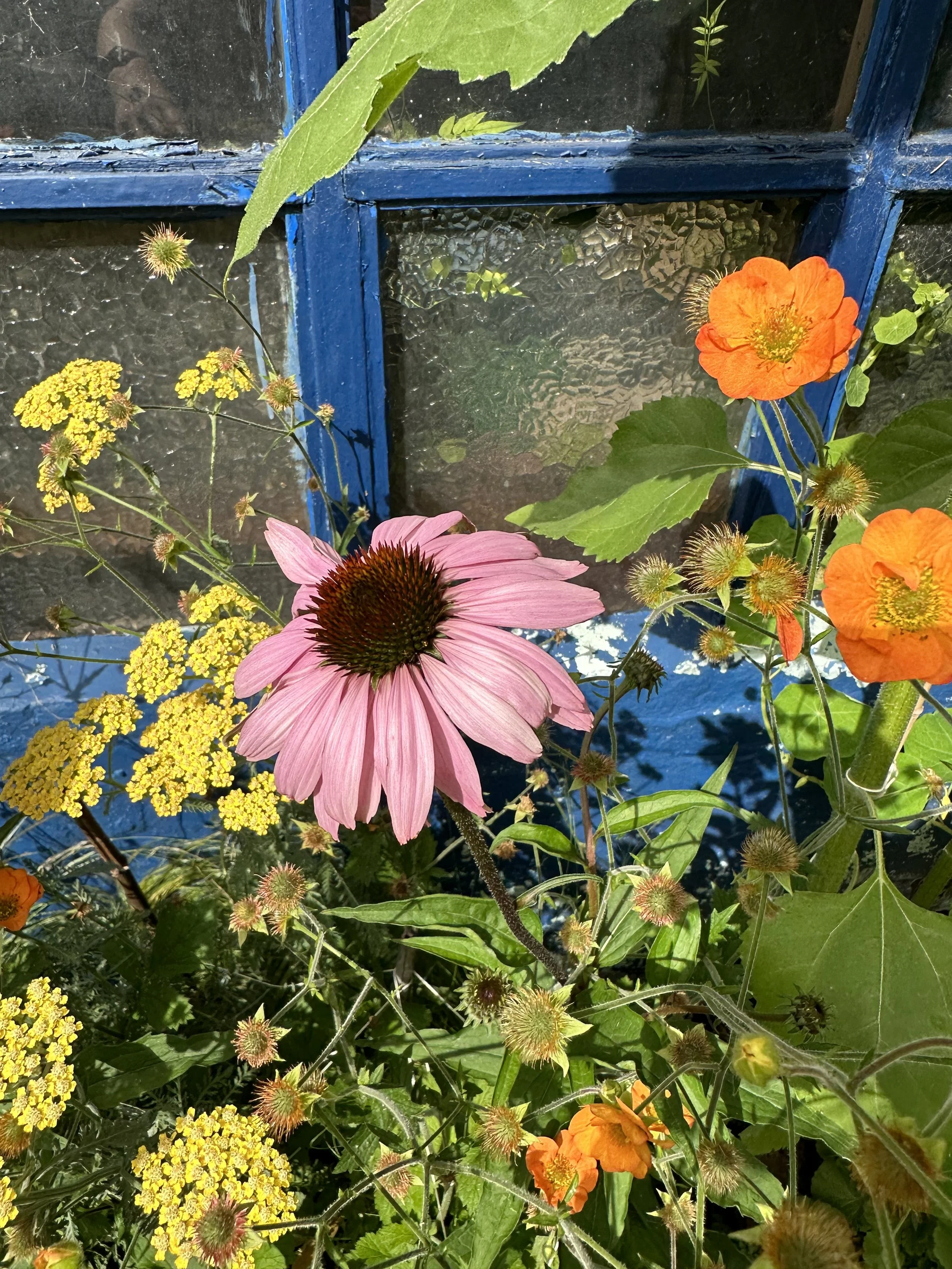
Echinacea, popularly known as coneflower, is a versatile and attractive perennial plant. However, not all plants thrive well when grown alongside echinacea. Understanding what to avoid when planning your garden can help ensure a healthier ecosystem and more robust plants. Below are some plants and categories to avoid planting with echinacea.
Plants That Attract Pests
Echinacea can suffer from various pest issues, and some plants may attract pests that target echinacea specifically.
- Marigolds: Although often planted to repel pests, they can also attract specific insects that may affect echinacea.
- Cucurbits (like cucumber and squash): These plants can lure aphids and beetles, which may then spread to your echinacea.
- Nightshades (such as tomatoes and potatoes): These can harbor aphids, leading to infestations on nearby echinacea.
Plants With High Water Needs
Echinacea prefers a well-drained soil and does not thrive in overly wet conditions. Planting it with moisture-loving plants can lead to root rot.
- Astilbe: This perennial requires consistently moist soil, which can be detrimental to echinacea's health.
- Ligularia: Known for their desire for damp environments, ligularia can compete for moisture with echinacea.
- Ferns: Many fern varieties thrive in damp shade, contrasting greatly with echinacea’s native dry habitats.
Plants That Are Highly Invasive
Invasive plants can out-compete echinacea for nutrients and space, hindering its growth.
- Bamboo: This fast-growing plant can quickly take over garden space, overshadowing echinacea.
- Mint: Known for its aggressive growth, mint can easily spread and dominate, making coexistence difficult.
- Bindweed: This vine can choke out echinacea, making regular maintenance a challenge.
Plants That Prefer Acidic Soil
Echinacea thrives in neutral to slightly alkaline soil conditions. Planting it alongside those that prefer acidic soil may result in poor growth for echinacea.
See also:
- Blueberries: These require acidic soil, which can deteriorate the growing conditions for echinacea.
- Azaleas: Like blueberries, they thrive in low pH environments, creating competition for resources.
- Heathers: These acid-loving plants can alter the soil chemistry, making it less hospitable for echinacea.
Plants Susceptible to Similar Diseases
Certain plants share disease susceptibilities that can endanger echinacea by introducing pathogens.
- Sunflowers: These are known to attract similar pests and can suffer from wilt diseases that may spread to echinacea.
- Rudbeckia (Black-eyed Susan): They can carry pathogens that affect echinacea and vice versa, leading to diseases.
- Liatris: While both are beautiful, they are susceptible to the same fungal diseases, complicating care.
Should coneflowers be planted in groups?
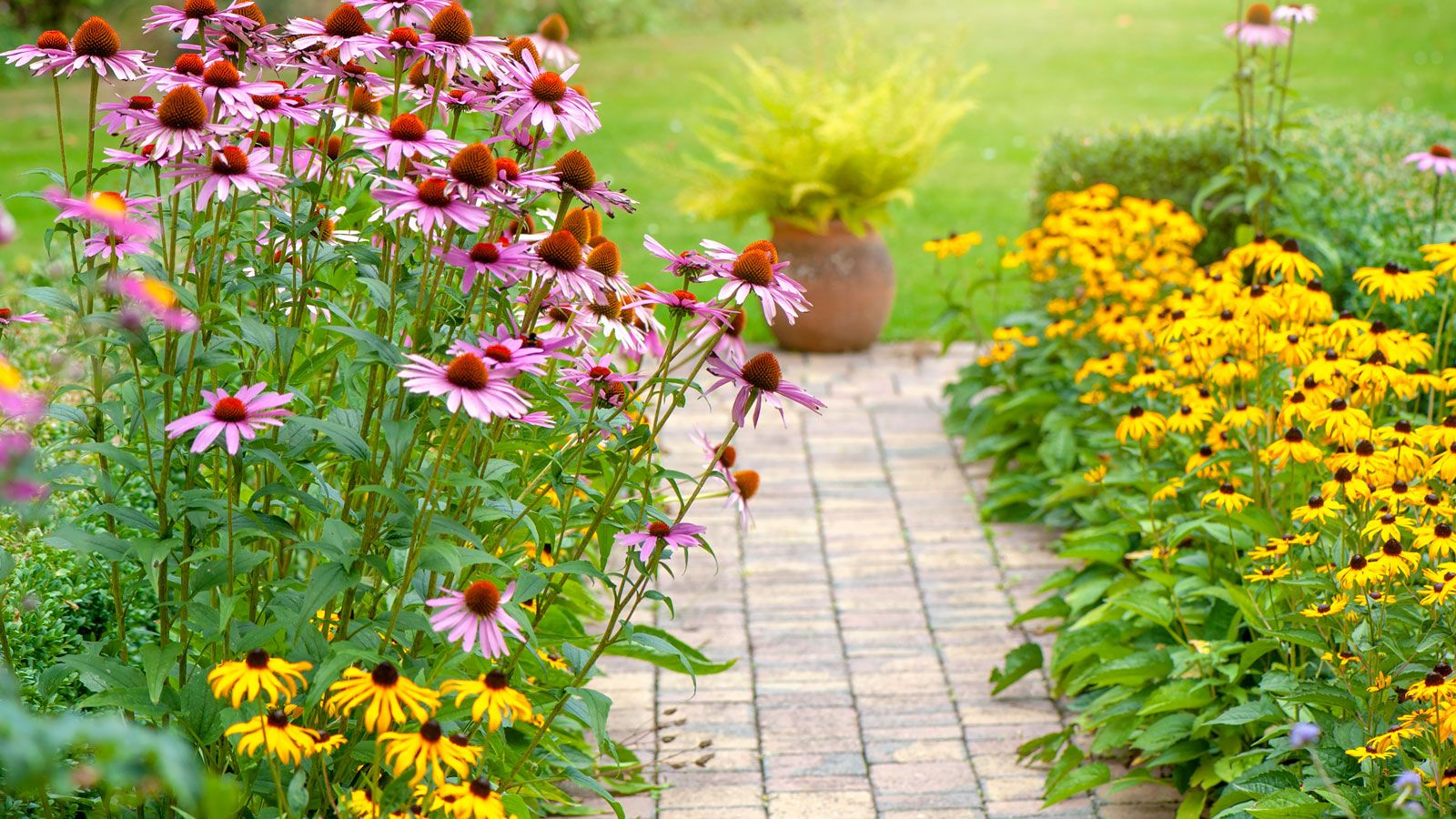
When considering whether to plant coneflowers in groups, it is important to understand their growth habits and how they thrive in garden settings. Coneflowers, or Echinacea, are native to North America and are known for their hardiness, drought tolerance, and ability to attract pollinators. Planting them in groups can enhance their natural beauty and increase their effectiveness in attracting beneficial insects.
Benefits of Group Planting
Planting coneflowers in groups offers several advantages that can improve both aesthetics and ecological benefits. The clustered appearance can create a more dramatic visual impact in the garden.
- Aesthetics: Group planting creates a vivid splash of color that can serve as a focal point in any garden.
- Pollinator Attraction: Larger groups are more effective in attracting bees, butterflies, and other pollinators due to a higher visibility and scent concentration.
- Enhanced Growth: Coneflowers planted in groups often support each other’s growth by providing shelter and creating a microclimate that protects them from harsh conditions.
Planting Techniques
When planning to plant coneflowers in groups, consider the proper techniques to ensure they thrive. Organizing these flowers effectively in your garden contributes to their health and maintenance needs.
- Spacing: Space the plants appropriately, ideally 1 to 3 feet apart, to allow for air circulation and prevent overcrowding.
- Soil Preparation: Prepare well-draining soil with a high organic matter content to support healthy root development.
- Grouping Strategies: Consider grouping by color or height for an attractive arrangement that highlights the unique characteristics of different varieties.
Seasonal Considerations
Understanding the seasonal requirements for coneflowers can influence how and when they should be planted in groups. Adjusting your planting strategy according to the season enhances their growth success.
- Spring Planting: Early spring is the best time to plant coneflowers when the risk of frost has passed, ensuring they establish properly.
- Fall Maintenance: If planted in early fall, allow time for roots to settle before winter; mulch can help protect them.
- Seasonal Care: Groups may require different care based on seasonal changes, so it's essential to monitor and adjust watering and nutrients accordingly.
Ecological Impacts
Planting coneflowers in groups can significantly benefit local ecosystems. Their role in the environment contributes to biodiversity and sustainability in gardens and landscapes.
- Biodiversity Promotion: Grouping coneflowers contributes to a diverse planting scenario, supporting various wildlife species.
- Soil Health: Coneflowers enhance soil health through deep root systems that prevent erosion and improve nutrient retention.
- Insect Habitat: Larger clusters provide ideal conditions for beneficial insects to thrive, which can help with pest management in the garden.
Maintenance of Group Plantings
Proper maintenance is crucial for the health of grouped coneflowers. Understanding their care requirements can extend their blooming period and improve their overall vitality.
- Watering Needs: While coneflowers are drought-tolerant, regular watering during dry spells ensures healthy growth and abundant blooms.
- Pruning: Deadheading the flowers and cutting back foliage in the fall can promote better blooming in the following year.
- Pest Management: Regularly inspect grouped plants for pests and diseases, and take appropriate action to maintain plant health.
Questions from Our Readers
What plants are good companions for coneflower?
Coneflower pairs well with a variety of plants, including rudbeckia (black-eyed Susan), salvia, and aster. These companions not only enhance the visual appeal of your garden but also attract beneficial pollinators, such as butterflies and bees, creating a thriving ecosystem.
How can I enhance my garden with coneflower?
To enhance your garden with coneflower, consider planting them in groups or in combination with grasses and other perennials that bloom at different times. This approach ensures a continuous display of color while providing a habitat for wildlife and improving the overall health of your garden soil.
See also:
What kind of soil is best for growing coneflowers?
Coneflowers thrive best in well-drained, sandy or loamy soils. While they can tolerate a range of soil types, ensuring proper drainage is crucial to prevent root rot and promote healthy growth. Additionally, adding organic matter can improve soil fertility and moisture retention.
Do coneflowers require a lot of sunlight?
Yes, coneflowers require full sunlight for optimal growth, ideally needing at least six hours of direct sunlight each day. Placing them in sunny spots not only supports strong growth but also enhances their vibrant colors and encourages more prolific blooming throughout the season.

If you want to read more articles like What Pairs Well with Coneflower? Discover the Perfect Companion Plants and Tips, we recommend you check out our Plants category.
Leave a Reply
Related Articles