Is Apple Cider Vinegar Good for Plants? Discover Its Benefits and Uses!

Apple cider vinegar has gained popularity in recent years, not only as a health tonic for humans but also as a potential beneficial agent for plants. Gardeners and plant enthusiasts have begun to explore its various applications in promoting plant growth, enhancing soil health, and controlling pests. This article delves into the benefits and uses of apple cider vinegar in gardening, examining its natural properties and how they can contribute to a thriving garden. Whether you're looking to rejuvenate your houseplants or improve your vegetable garden, discover the surprising advantages this common household item can offer to your green companions.
Is Apple Cider Vinegar Beneficial for Plants?
Apple cider vinegar can be a powerful ally in gardening when used correctly. Its natural acidity can help balance soil pH, making it more conducive for various plants to thrive. When diluted, apple cider vinegar can serve as a natural fertilizer, providing essential nutrients like potassium and calcium, which are critical for plant health. Additionally, it can act as a natural pesticide, deterring pests and mold while promoting a healthier growing environment. However, it is vital to use apple cider vinegar in moderation, as excessive use can lead to soil acidity that harms plants rather than helps them.
How Does Apple Cider Vinegar Affect Soil pH?
Apple cider vinegar contains acetic acid, which can help lower the pH of your soil when applied in diluted form. This can be particularly beneficial for plants that prefer slightly acidic conditions, such as tomatoes and blueberries. Testing your soil's pH beforehand is essential to ensure you do not overly acidify your soil, as this could hinder nutrient absorption and damage more sensitive plants.
Can Apple Cider Vinegar Be Used as a Fertilizer?
Yes, apple cider vinegar can be diluted with water to create a natural fertilizer solution. When mixed in a ratio of about one tablespoon of vinegar to one gallon of water, it provides plants with essential nutrients like potassium, which supports root development and overall plant health. This homemade fertilizer can be used sparingly, typically once a month during the growing season, to boost nutrient levels in the soil.
Does Apple Cider Vinegar Help Control Pests?
Apple cider vinegar can be effective in warding off pests due to its strong scent and acidity. Spraying a diluted vinegar solution around plants can deter unwanted insects such as aphids and fungus gnats. Additionally, when combined with dish soap, it can enhance its pest-repelling properties. It’s important to test on a small plant area first, as the acidity of vinegar can also be harmful if used excessively.
What Are the Risks of Using Apple Cider Vinegar on Plants?
While apple cider vinegar offers several benefits, using it excessively can pose risks. Its acidity can burn plant leaves, especially when applied undiluted or in high concentrations. Over time, too much vinegar can alter soil pH significantly, potentially leading to nutrient lockout or damage to sensitive plant varieties. Therefore, careful application is crucial to avoid adverse effects on plant health.
How to Properly Use Apple Cider Vinegar on Plants?
To use apple cider vinegar effectively, mix one tablespoon of vinegar with one gallon of water. This creates a safe dilution that can be applied as a fertilizer or pest deterrent. Spray it lightly on the soil and the leaves of the plants, but avoid saturating them to minimize the risk of leaf burn. Regularly monitor your plants’ response, and adjust the frequency of application based on their health and growth patterns.
| Usage | Purpose | Recommended Dilution |
|---|---|---|
| Fertilizer | Provides nutrients | 1 tablespoon per gallon of water |
| Pest Control | Deters insects | 1 tablespoon per gallon of water + dish soap |
| Soil pH Adjustment | Balances acidity | 1 tablespoon per gallon of water |
Can apple cider vinegar help plants grow?

Apple cider vinegar (ACV) has been gaining attention as a potential natural solution for various gardening issues. While it is widely known for its health benefits in humans, its effects on plants are moderated and should be approached with caution. Here's an in-depth look at how apple cider vinegar might help plants grow.
1. Nutrient Enhancement
Apple cider vinegar contains a small amount of essential nutrients that can be beneficial for plant growth. The acetic acid present in ACV can help in breaking down minerals in the soil, making them more available to the plants.
- Improves nutrient absorption: The breakdown of minerals allows for better uptake by plant roots.
- Balances soil pH: ACV can be used to slightly acidify alkaline soils, helping certain plants thrive.
- Encourages microbial activity: The presence of acetic acid can promote the growth of beneficial soil microorganisms.
2. Pest Deterrent
Apple cider vinegar serves as a natural insect repellent. Its strong smell can deter pests that might harm your plants.
- Repels ants: The scent of ACV can keep ants away, which are often carriers of aphids.
- Discourages fruit flies: A mixture of ACV and water can attract and trap fruit flies.
- Minimizes fungal issues: The acidity can inhibit the growth of certain fungal infections.
3. Natural Herbicide
For gardeners dealing with stubborn weeds, apple cider vinegar can act as a natural herbicide due to its acidity.
- Kills unwanted weeds: ACV can effectively kill certain types of weeds when applied directly.
- Non-toxic alternative: Unlike chemical herbicides, ACV is safer for the environment.
- Quick action: The effects can usually be seen relatively quickly after application.
4. Seed Germination Booster
Some gardeners believe that soaking seeds in a diluted ACV solution can help enhance germination rates.
See also:
- Stimulates seed growth: The exposure to ACV can sometimes provide a boost to seeds as they germinate.
- Reduces mold risks: Soaking in ACV may help prevent fungal growth on seeds.
- Increases nutrient availability: Similar to its effects in soil, ACV can help prepare seeds for better nutrient absorption.
5. Foliage Spray for Plant Health
Diluted apple cider vinegar can be used as a foliage spray to promote overall plant health.
- Enhances leaf vitality: A mixture of ACV and water can revitalize dull leaves.
- Prevents leaf diseases: Spraying can reduce the incidence of leaf spots and blights.
- Boosts photosynthesis: Healthy leaves can more effectively perform photosynthesis, leading to stronger growth.
Does apple cider vinegar keep bugs away from plants?
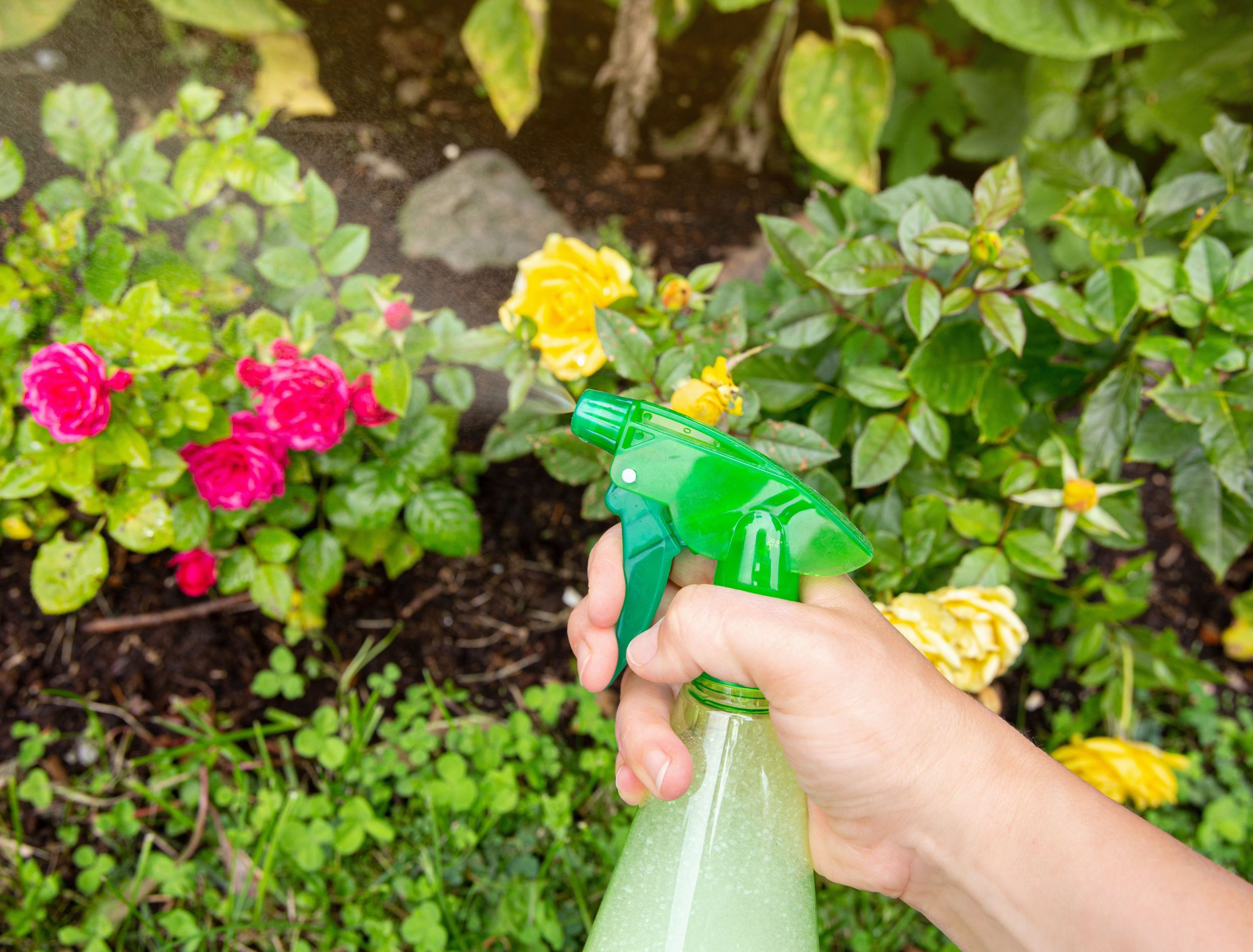
Apple cider vinegar (ACV) is often touted as a natural remedy for pest control in gardens and around plants. The idea is that its acidity and strong smell can deter certain insects from infesting plants. While there is little scientific evidence directly supporting the efficacy of ACV against all pests, many gardeners have reported positive results when using it as a deterrent. Here’s a closer look at how apple cider vinegar may help keep bugs away from plants.
How Does Apple Cider Vinegar Work as a Pest Deterrent?
Apple cider vinegar works through its strong aroma and acidity. Pests like aphids, fruit flies, and other insects are often put off by the smell and may avoid areas that have been treated with ACV.
- Odor Repellence: The strong vinegar smell can confuse insects and mask the scent of the plants.
- Acidic Environment: The acidity can disrupt the pests' ability to thrive if they come into contact with it.
- Non-Toxic Solution: Unlike chemical pesticides, ACV is a safer alternative for plants and surrounding wildlife.
How to Use Apple Cider Vinegar for Pest Control
Using apple cider vinegar effectively for pest control requires dilution and proper application methods. Here’s a simple guide on how to do this.
- Mixing Solution: Combine 1 cup of ACV with 1 cup of water and, if desired, a few drops of liquid soap.
- Spraying: Use a spray bottle to apply the solution directly to the plants, focusing on areas where pests are visible.
- Frequency: Reapply every few days or after rains to maintain its effectiveness.
Effectiveness Against Specific Pests
Apple cider vinegar has been found to be particularly effective against certain types of bugs. The following pests are commonly reported to be deterred by ACV:
- Aphids: These small insects are common garden pests that ACV can help reduce.
- Fruit Flies: The strong scent of ACV attracts fruit flies, but it can also help control their population when used wisely.
- Spider Mites: ACV may help manage spider mite infestations due to its strong aroma.
Comparing ACV with Other Natural Remedies
While apple cider vinegar is popular, it's essential to compare it with other natural remedies for pest control.
- Neem Oil: Known for its insecticidal properties, neem oil can be more effective against a wider range of pests.
- Garlic Spray: Like ACV, garlic spray can repel insects due to its strong smell.
- Diatomaceous Earth: This natural powder is effective against crawling insects, different from the liquid solution of ACV.
Precautions When Using Apple Cider Vinegar
While apple cider vinegar is relatively safe for use, there are some precautions to consider to avoid damaging your plants.
- Concentration: Always dilute ACV; straight vinegar can harm plant leaves.
- Test First: Apply the mixture to a small area to test for any adverse reactions.
- Timing: Avoid spraying during peak sun hours to prevent leaf burn.
Can I spray apple cider vinegar and water on my plants?

Yes, you can spray a mixture of apple cider vinegar and water on your plants, but it's essential to use it correctly to avoid potential harm. Apple cider vinegar is often used in gardening due to its acidity and potential benefits in controlling pests and diseases. It can also help improve soil conditions when diluted appropriately. However, it's crucial to adhere to proper ratios and observe your plants' reactions.
Benefits of Apple Cider Vinegar for Plants
Using apple cider vinegar can offer several benefits for your plants:
- Pest Control: The strong scent of vinegar can deter certain pests like aphids and spiders.
- Fungal Treatment: Its acidity can help combat fungal diseases, reducing the spread of issues like powdery mildew.
- Soil pH Adjustment: It can help lower the pH level of soil, which may be beneficial for acid-loving plants.
Proper Dilution Ratios
To ensure the safety of your plants, it's essential to use the right dilution when mixing apple cider vinegar with water:
- Standard Ratio: A typical mix can be 1 tablespoon of apple cider vinegar to 1 quart of water.
- Test First: Always test the solution on a small part of the plant to check for any adverse reactions.
- Frequent Application: Over-application can harm plants. Limit use to once every few weeks.
How to Apply the Mixture
Applying the vinegar-water mix correctly is vital for effectiveness and safety:
See also:
- Time of Day: Apply in the early morning or late afternoon to avoid leaf burn.
- Spray Technique: Lightly mist the leaves, focusing on problematic areas but avoiding over-saturation.
- Frequency: Reapply every 1-2 weeks as needed, particularly after rain or heavy watering.
Potential Risks to Consider
While beneficial, there are risks associated with using apple cider vinegar on plants:
- Leaf Burn: Direct application of concentrated vinegar can damage foliage.
- Soil Alteration: Excessive use can alter soil pH levels excessively, harming beneficial microbes.
- Plant Sensitivity: Certain plants may be more sensitive to vinegar than others, leading to adverse reactions.
Alternatives to Apple Cider Vinegar
If you find that apple cider vinegar isn't suitable for your plants, there are alternative solutions:
- Neem Oil: Effective for pest control without the harsh effects of vinegar.
- Insecticidal Soap: A safer option that targets pests without harming plants.
- Garlic or Pepper Spray: Natural repellents that can deter pests without chemical treatments.
Can I put apple cider vinegar in water for flowers?
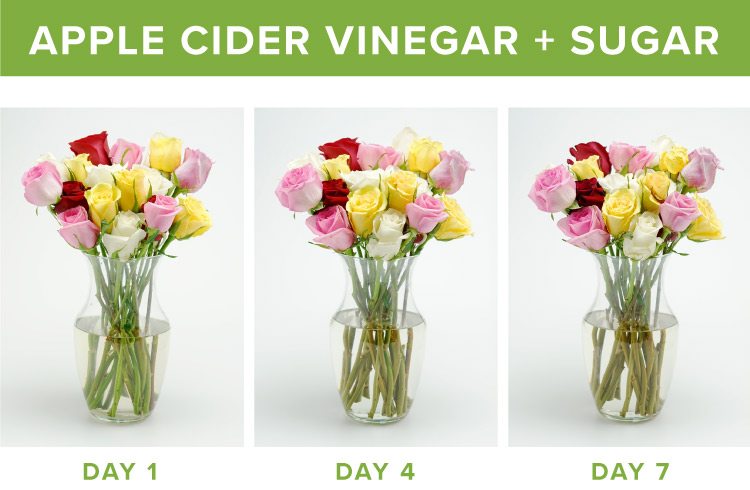
Yes, you can put apple cider vinegar in water for flowers, but it should be done with caution. Apple cider vinegar is acidic and can help to enhance the life of cut flowers by promoting a balanced pH level in the water. However, the concentration must be controlled to avoid harming the flowers.
Benefits of Apple Cider Vinegar for Flowers
Using apple cider vinegar can provide several benefits for cut flowers. Some of the advantages include:
- pH Balance: The acidity of apple cider vinegar helps maintain a proper pH level in the water, preventing bacterial growth.
- Nutrient Supply: It can offer trace nutrients that may benefit the flowers.
- Preservation: The vinegar can lengthen the lifespan of the cut flowers by keeping them fresh longer.
How to Use Apple Cider Vinegar for Flowers
To effectively use apple cider vinegar in flower water, follow these simple steps:
- Dilution: Mix one to two tablespoons of apple cider vinegar in a quart of water.
- Clean Vase: Ensure that the vase is clean to avoid any contamination.
- Mix Thoroughly: Stir the solution well before adding the cut flowers.
Recommended Flower Types for Vinegar Solution
Certain flowers respond better to the apple cider vinegar solution than others. Here are some types:
- Roses: They thrive in slightly acidic solutions.
- Carnations: These flowers can benefit from the nutrients in the vinegar.
- Chrysanthemums: They also appreciate the balanced pH provided by vinegar.
Precautions When Using Apple Cider Vinegar
While using apple cider vinegar can be beneficial, consider these precautions:
- Concentration: Use it sparingly; too much can damage the flowers.
- Allergy Check: Ensure that the flowers are not sensitive to acidity.
- Conduct Trials: Experiment with a few flowers first before using it on larger arrangements.
Alternative Solutions for Flower Care
If apple cider vinegar is not suitable for your needs, consider these alternatives:
- Commercial Flower Preservatives: These are specifically designed for cut flowers.
- Plain Sugar: Adding a small amount of sugar can also feed the flowers without the acidity.
- Lemon Juice: A mild acidic alternative that can help keep water fresh.
Questions from Our Readers
Is apple cider vinegar safe for all types of plants?
Apple cider vinegar can be beneficial for many plants, but it is not safe for all types. It's important to dilute it with water to avoid harming sensitive plants. Generally, a mixture of one part vinegar to three parts water is recommended for most garden plants.
How does apple cider vinegar benefit plants?
Apple cider vinegar can provide benefits such as acting as a natural pest repellent and helping to lower soil pH. This can make the soil more acidic, which is preferable for certain plants like blueberries and azaleas.
Can apple cider vinegar harm plants if used incorrectly?
Yes, using apple cider vinegar in high concentrations or undiluted can lead to damage, including burning the leaves of your plants. It's crucial to always dilute it properly and test it on a small area before applying it broadly.
How often should I use apple cider vinegar on my plants?
Using apple cider vinegar should be done sparingly. It is typically recommended to apply it every few weeks as a treatment, but overuse can lead to negative effects on the soil and plant health.
See also:

If you want to read more articles like Is Apple Cider Vinegar Good for Plants? Discover Its Benefits and Uses!, we recommend you check out our Plants category.
Leave a Reply
Related Articles