What Does an Overwatered Plant Look Like? Signs, Symptoms, and Solutions

Overwatering is a common mistake among plant enthusiasts, often leading to serious health issues for your green companions. Recognizing the signs and symptoms of an overwatered plant is crucial for effective intervention and care. From discolored leaves to root rot, identifying these indicators early can save your plants from irreversible damage. This article will delve into the various signs that signify overwatering, explore the physiological symptoms plants exhibit under such stress, and provide practical solutions to rectify the issue. Understanding the nuances of plant care is essential for fostering a thriving indoor or outdoor garden.
What Does an Overwatered Plant Look Like?
An overwatered plant often exhibits several distinct signs that indicate its struggle for survival. The leaves may become yellow, indicating that roots are suffocating from too much moisture, leading to a lack of oxygen. You might also notice the leaves developing brown tips or edges, which suggests that the plant is experiencing stress. In more severe cases, the plant can start to droop or appear lifeless, as the excess water leads to root rot, which severely impairs its ability to absorb nutrients. Finally, if you inspect the potting medium, you may find it soggy or waterlogged, often accompanied by a distinct musty odor, signaling the presence of root rot or mold.
Yellow Leaves
When a plant is overwatered, the leaves turning yellow is one of the most noticeable signs. This happens because excessive water prevents the roots from absorbing essential nutrients and oxygen, leading to chlorosis, a condition where the green pigments in leaves degrade. If you observe a plant with yellowing leaves, it is essential to assess the watering schedule and possibly adjust it to allow the soil to dry out.
Brown Tips or Edges
Another common symptom of an overwatered plant is the appearance of brown tips or edges on the leaves. This browning is a result of root damage from prolonged saturation, which restricts the plant's ability to transport water effectively. As the roots degrade, they can also struggle to uptake nutrients, resulting in the leaves' discoloration and deterioration.
Leaf Droop
Drooping leaves are a clear indicator that a plant is in distress, often due to overwatering. When the roots are waterlogged, they become incapable of supporting the plant properly, causing the leaves to lose their natural turgidity and droop downwards. This symptom may sometimes be mistaken for underwatering, so it's crucial to evaluate the soil's moisture level before taking measures to revive the plant.
Soggy Soil
If you find that the soil in the pot is soggy or waterlogged, this is a strong indication of overwatering. Healthy soil should allow for adequate drainage; however, when it retains too much water, it can lead to poor aeration and higher risks of root rot. It's vital to check the soil moisture levels regularly and ensure that pots have appropriate drainage holes to prevent these conditions.
Musty Odor
A musty odor coming from the soil is another telltale sign of an overwatered plant. This smell typically arises from the decay of organic matter or the development of mold within the soil. If you notice this odor, it's often an indication of root rot, which can severely threaten the plant's health. Addressing the watering habits and improving drainage are crucial steps to remedy this issue.
| Symptom | Description |
|---|---|
| Yellow Leaves | Indicates a lack of nutrients due to waterlogged roots. |
| Brown Tips | Suggests root damage from prolonged saturation. |
| Leaf Droop | Shows distress due to inability of roots to support the plant. |
| Soggy Soil | Reflects excessive water retention impacting root health. |
| Musty Odor | Indicates possible root rot and decay in the soil. |
How do you tell if your plant is overwatered?
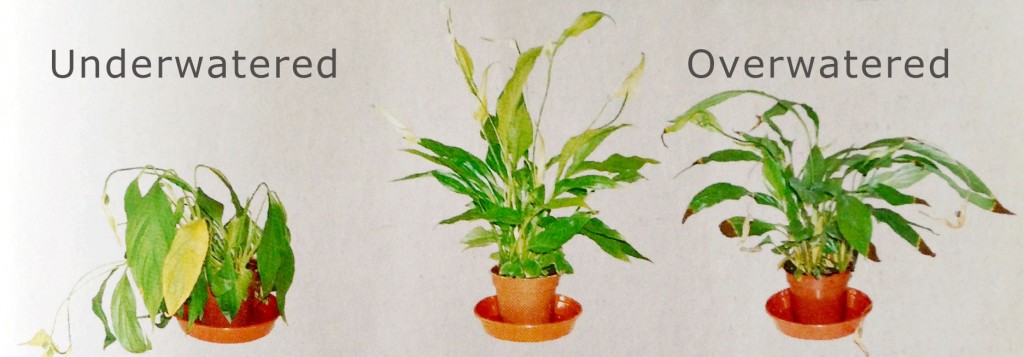

To determine if your plant is overwatered, you need to observe several crucial signs and symptoms. Overwatering is one of the most common issues that can lead to various plant health problems. When a plant receives too much water, it can cause root rot and other detrimental effects. Here are some key indicators to consider:
Signs of Yellowing Leaves
Yellowing leaves are often one of the first signs of overwatering. When a plant's roots are saturated, they cannot absorb nutrients efficiently, leading to nutrient deficiencies that manifest as yellow leaves. It may affect older leaves primarily.
- The leaf edges may turn brown before yellowing occurs.
- New growth may also exhibit yellowing if the issue persists.
- Leaves can feel soft and mushy in extreme cases.
Wilting Despite Moist Soil
Wilting is typically associated with lack of water, but it can also happen when a plant is overwatered. In this scenario, roots become waterlogged, and the plant cannot uptake water properly, leading to a wilting appearance.
- Leaves may droop or lose their firmness.
- Even with moist soil, wilting still occurs.
Mushy or Brown Roots
Another significant indicator of overwatering is the condition of the roots. When roots are subjected to too much moisture, they can become mushy and begin to rot. This is a severe problem that can lead to plant death if not addressed quickly.
- Healthy roots should appear white and firm.
- Check the root system by gently removing the plant from its pot.
- Brown, black, or soft roots indicate a need for better drainage.
Soil Consistently Wet
The state of the soil itself can also provide clues about overwatering. If the soil remains saturated for an extended period, it's a strong indicator that your plant is receiving too much water. Plants typically prefer to dry out slightly between watering.
- Inspect the top inch of soil; if it feels constantly wet, it might be too much.
- Moisture content should fluctuate; healthy plants enjoy drier conditions occasionally.
- Using pots with drainage holes can help prevent this issue.
Presence of Mold or Algae
Overly moist environments can lead to the growth of mold or algae on the soil's surface. This is a clear sign that the soil is retaining too much moisture and is potentially leading to root rot.
- Mold appears as a fuzzy or slimy layer on the soil.
- Algae can create an unattractive green film over the soil surface.
- Both conditions can compete with your plant for necessary nutrients.
Which two symptoms are signs of overwatering?

Overwatering is a common issue faced by plant owners, which can lead to various detrimental effects on plant health. Two primary symptoms that indicate overwatering are yellowing leaves and root rot.
See also:
Signs of Yellowing Leaves
When plants receive too much water, their leaves often begin to turn yellow due to a lack of oxygen. This occurs because saturated soil restricts air from reaching the roots, leading to poor nutrient uptake. The following points highlight this symptom:
- Chlorosis: The process whereby the leaves lose their green pigment, indicating distress.
- Softening of Leaves: The yellowing leaves may also feel soft or mushy to the touch.
- Leaf Drop: In more severe cases, overwatered plants may shed their yellow leaves.
Symptoms of Root Rot
Root rot is another severe symptom of overwatering, where the plant's roots begin to decay. This condition is often caused by the presence of harmful fungi that thrive in overly wet conditions. Key points related to root rot include:
- Dark, Mushy Roots: A definitive sign of root rot includes roots that appear dark and mushy instead of healthy and firm.
- Foul Odor: As roots decay, they can emit a foul smell, often indicative of fungal growth.
- Reduced Plant Growth: Plants suffering from root rot may exhibit stunted growth or fail to thrive.
Wilting Despite Moist Soil
Ironically, one of the symptoms of overwatering is wilting. While lack of water typically causes plants to wilt, overwatered plants can also display this symptom due to root damage. Important aspects include:
- Waterlogged Soil: The soil may feel damp or waterlogged, despite visible signs of wilting.
- Compromised Roots: Wilting occurs as damaged roots cannot absorb water adequately.
- Permanent Damage: Prolonged wilting can lead to irreversible damage to the plant.
Leaf Spots and Blight
Overwatering can also lead to the development of leaf spots or blight, where leaves show darkened areas or patches. This is often caused by fungal infections that proliferate in wet conditions. Key points regarding leaf spots include:
- Brown or Black Spots: The appearance of these spots can indicate rot or infection.
- Spread of Disease: Excess moisture encourages the spread of disease among other parts of the plant.
- Overall Plant Health: Leaf spots can detract from the overall health and vigor of the plant.
Stunted Growth and Development
Overwatered plants often exhibit stunted growth and poor overall development. This occurs mainly because root systems are compromised. Factors contributing to stunted growth include:
- Insufficient Nutrient Uptake: When roots are damaged, they cannot absorb essential nutrients from the soil.
- Reduced Photosynthesis: Yellowing leaves and poor health reduce the plant’s ability to photosynthesize, impacting growth.
- Pest Infestation: Stressed plants are more vulnerable to pests, further hindering their growth potential.
Questions from Our Readers
What are the signs of an overwatered plant?
Overwatered plants typically exhibit yellowing leaves, which may also appear wilted or soft. The soil will often remain soggy, leading to root rot and, in severe cases, a foul smell emanating from the pot. If your plant's leaves are dropping off easily or developing brown spots, these are additional indications of excess water.
How can I tell if my plant is getting too much water?
One of the main indicators that a plant is receiving too much water is the presence of mushy or brown roots when inspecting the root system. Additionally, if you observe water pooling on the surface of the soil or a consistently damp top layer, this suggests that the plant is not able to absorb the water properly.
Can an overwatered plant recover?
Yes, an overwatered plant can recover, but it often requires prompt action. The first step is to allow the soil to dry out completely before watering again. If root rot is present, it may be necessary to trim the damaged roots and repot the plant in fresh soil to encourage healthy growth.
See also:
What types of plants are most susceptible to overwatering?
Many houseplants are prone to overwatering, especially those that prefer drier conditions, such as succulents and cacti. Other common culprits include tropical plants like fiddle leaf figs and peace lilies, which can suffer if not monitored carefully for water levels.

If you want to read more articles like What Does an Overwatered Plant Look Like? Signs, Symptoms, and Solutions, we recommend you check out our Plants category.
Leave a Reply
Related Articles