What is the Deadliest Plant to Humans? Discover the Most Lethal Flora on Earth

Plants are often seen as symbols of beauty and life, but some species harbor deadly secrets that can pose grave risks to humans. From the lush rainforests to arid deserts, the world is home to flora that can cause severe harm or even death. In this article, we will explore the most lethal plants known to humans, unveiling their toxic properties, potential dangers, and the unfortunate encounters that have led to tragic consequences. Delve into the intriguing yet perilous realm of botany as we discover which plants should be treated with the utmost caution and respect.
What is the deadliest plant to humans?
The deadliest plant to humans is widely considered to be the Aconitum, commonly known as monkshood or wolf's bane. This plant contains potent alkaloids such as aconitine, which can lead to severe poisoning or even death upon ingestion. A small amount of this plant can be lethal, affecting the cardiovascular and nervous systems. The symptoms of poisoning include nausea, vomiting, and irregular heart rhythms, making it crucial to handle this plant with caution. Due to its toxicity and the potential for fatal consequences, Aconitum serves as a striking reminder of the dangers that can lurk in nature.
Characteristics of Aconitum
Aconitum is characterized by its striking blue or purple flowers and is predominantly found in mountainous regions of Europe, Asia, and North America. The plant typically grows in moist, shaded environments and can reach heights of up to 1.5 meters. While it may be aesthetically pleasing, its highly toxic properties can pose significant hazards to both humans and animals. This dual nature makes Aconitum a unique but dangerous plant in botanical studies.
Effects of Aconitum Poisoning
The effects of Aconitum poisoning can occur rapidly, often within minutes of ingestion. Initial symptoms may include tingling and numbness in the mouth and extremities, followed by gastrointestinal distress such as abdominal pain, nausea, and vomiting. As the poisoning progresses, individuals may experience cardiovascular issues, including irregular heartbeats, hypotension, and potentially cardiac arrest. Due to the rapid onset of these symptoms, prompt medical attention is essential for anyone suspected of ingesting this plant.
Historical Uses of Aconitum
Historically, Aconitum has been used in traditional medicine, particularly in Chinese medicine, where it was employed for various ailments, including pain relief and inflammation. However, the fine line between medicinal use and toxicity means that its application must be approached with extreme caution. While some cultures regarded it as a valuable herbal remedy, the risk of fatal poisoning led to a decline in its use as a treatment, reinforcing its reputation as one of the most dangerous plants.
Other Deadly Plants
While Aconitum is often highlighted as the deadliest plant, there are several other contenders for this title, including the castor bean plant, which contains ricin, and oleander, known for its fatal cardiac effects. Each of these plants contains toxins that can be lethal with minimal exposure. A comparison of these plants reveals common attributes: they all possess potent chemicals that can negatively affect the body's biological systems, further emphasizing the need for caution around potentially dangerous flora.
Precautions When Handling Aconitum
When handling Aconitum or any known poisonous plants, it is essential to take proper safety precautions. Always wear gloves to avoid direct skin contact, and ensure that you wash your hands thoroughly after handling. It is critical not to ingest any part of the plant, as even small amounts can be harmful. For those who cultivate or come into contact with Aconitum, education on its effects and potential hazards is vital to prevent accidental poisoning and promote safe handling practices.
| Plant | Toxin | Effects |
|---|---|---|
| Aconitum | Aconitine | Cardiac arrest, nausea, vomiting |
| Castor Bean | Ricin | Severe abdominal pain, nausea, death |
| Oleander | Oleandrin | Irregular heartbeats, death |
What is the most lethal plant for humans?

The most lethal plant for humans is the Aconitum species, commonly known as wolfsbane or monkshood. This plant contains numerous alkaloids, particularly aconitine, which can lead to severe poisoning. All parts of the plant, including the roots, leaves, and flowers, are toxic. The ingestion of even a small amount can result in symptoms such as nausea, vomiting, abdominal pain, and cardiovascular instability, which may eventually lead to death if not treated promptly.
The Toxic Components of Aconitum
The primary toxic component in Aconitum is aconitine, a powerful neurotoxin that targets the nervous system. When ingested, it affects sodium channels in nerve cells, leading to severe neurological symptoms. Here are key components related to its toxicity:
- Aconitine: The most potent alkaloid that can cause cardiac dysrhythmias.
- Mesaconitine: Similar to aconitine but less potent; still poses serious health risks.
- Neoaconitine: Another derivative contributing to the plant's toxicity.
Symptoms of Aconitum Poisoning
The symptoms of poisoning from Aconitum can manifest rapidly after ingestion. Victims might experience the following:
- Nausea and Vomiting: Often the initial signs after consuming the plant.
- Dizziness: A result of interference with the nervous system functioning.
- Cardiac Issues: Palpitations and arrhythmias due to toxicity can lead to potentially fatal outcomes.
Historical Uses and Cultural Significance
Throughout history, Aconitum has been used in various cultures for different purposes, including medicinal uses and as a poison. Noteworthy points include:
- Traditional Medicine: Some cultures have used it for pain relief, despite its risks.
- As a Poison: Historically, it has been used on arrow tips and in warfare.
- Cultural Symbolism: Often associated with death and protection in various folklore.
First Aid and Treatment for Aconitum Poisoning
Immediate medical attention is vital in cases of Aconitum poisoning. Recommended first-aid measures include:
- Do Not Induce Vomiting: Unless directed by a health professional, as this can cause more harm.
- Seek Medical Help: Immediate hospitalization is critical for treatment and monitoring.
- Activated Charcoal: Administered in a medical setting to help absorb toxins if received within a specified time frame.
Precautionary Measures to Avoid Poisoning
To prevent accidental poisoning from Aconitum, individuals should take specific precautions:
See also:
- Avoid Handling: Do not touch the plant without protective gloves.
- Educate Others: Awareness about the plant is crucial, especially in areas where it grows.
- Marking and Identification: Clearly label areas where Aconitum is present to avoid accidents.
What is the most deadly plant in history?
The most deadly plant in history is arguably the Aconitum, commonly known as monkshood or wolf's bane. This plant is notorious for its high toxicity, which can lead to fatal consequences if ingested or improperly handled. Aconitum contains potent alkaloids, particularly aconitine, which interfere with the nervous system and can cause heart arrhythmias or respiratory failure. Even the ingestion of small amounts can be lethal, earning this plant a fearsome reputation throughout history. Its use in ancient warfare as a poison and in traditional medicine further highlights its deadly nature.
The Toxic Properties of Aconitum
Aconitum is laden with dangerous compounds, primarily aconitine, which are responsible for its toxic effects. The plant can cause a variety of symptoms that affect the cardiovascular and nervous systems, including:
- Severe gastrointestinal distress, such as nausea and vomiting.
- Neurological symptoms, including confusion, dizziness, and paralysis.
- Cardiovascular complications like arrhythmia and possible heart failure.
Historical Uses of Aconitum
Historically, Aconitum was used in various cultures for both medicinal and malicious purposes. In ancient Greece and Rome, its poison was inflicted upon arrows for warfare, and it was believed to be an effective means of eliminating enemies. Medicinally, it has been used, albeit with caution, for its analgesic properties. Notable uses include:
- Alleviating severe pain in traditional Chinese medicine.
- Treating fevers and inflammation in various herbal remedies.
- Serving as an anesthetic in specific medical contexts.
Symptoms of Aconitum Poisoning
When exposed to Aconitum, symptoms can manifest rapidly. The onset of poisoning symptoms typically occurs within minutes to hours after ingestion or contact, depending on the amount consumed. Common symptoms include:
- Burning sensations in the mouth and throat.
- Rapid heart rate followed by a drop in blood pressure.
- Possible loss of consciousness and respiratory failure.
Precautions in Handling Aconitum
Due to its high toxicity, it is crucial for anyone handling Aconitum to exercise extreme caution. Here are recommended precautions:
- Wear gloves and protective gear when handling the plant.
- Always ensure that children and pets are kept away from areas where the plant grows.
- Educate others about the risks associated with monkshood and its toxic compounds.
Comparative Danger of Other Toxic Plants
While Aconitum is one of the deadliest plants, numerous other plants also share lethal characteristics. Understanding these can provide context to Aconitum's danger:
- Ricinus communis (castor bean) contains ricin, which is a highly toxic protein.
- Nerium oleander (oleander) is known for causing severe cardiac complications.
- Atropa belladonna (deadly nightshade) contains tropane alkaloids that can lead to death if ingested in adequate quantities.
What is the deadliest plant in the USA?
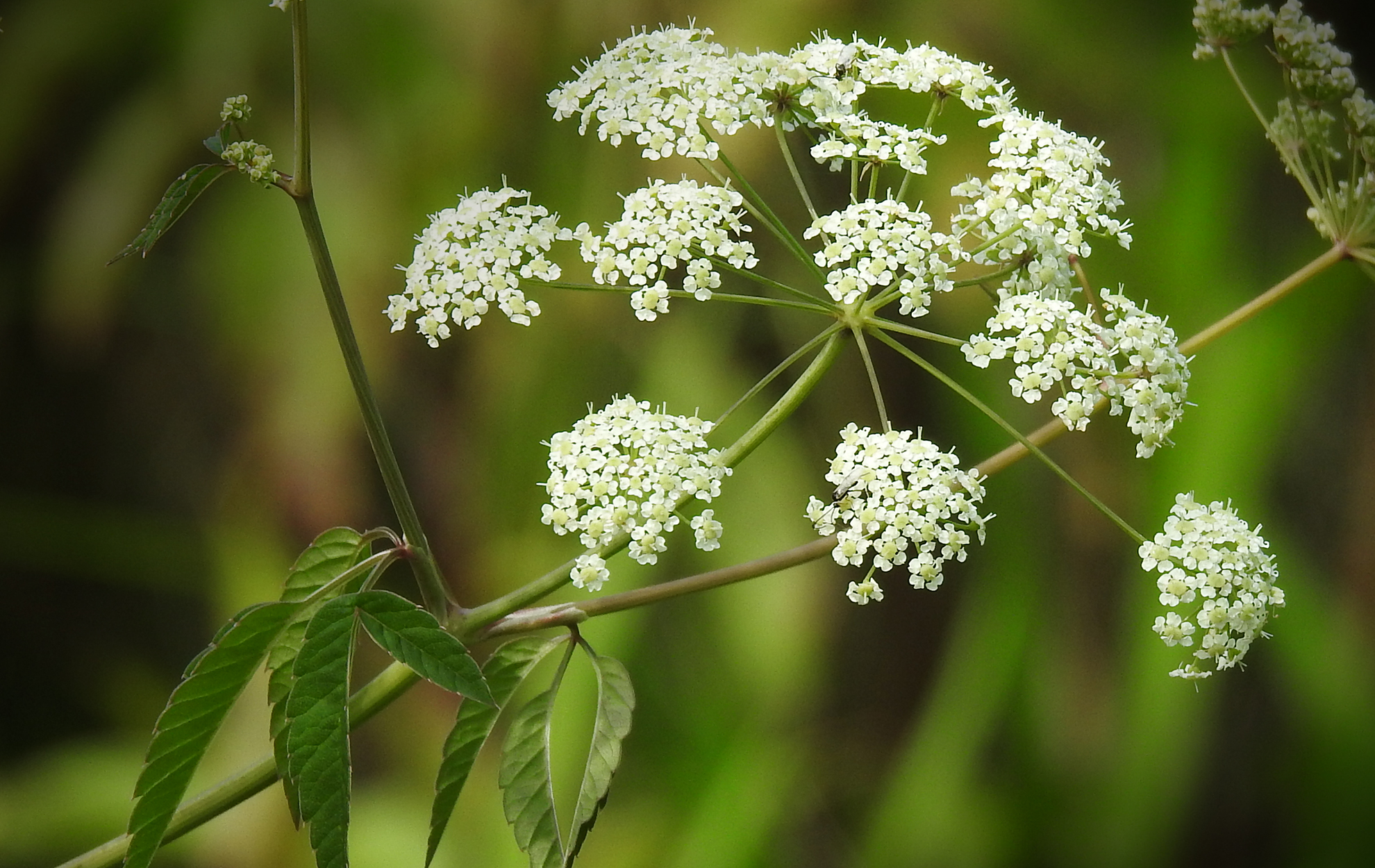
The deadliest plant in the USA is the water hemlock (Cicuta spp.). This plant is highly regarded for its toxicity, and its ingestion can lead to severe outcomes, including death. Water hemlock contains potent alkaloids, primarily cicutoxin, which affects the central nervous system and can cause seizures, respiratory failure, and ultimately death if not treated promptly. It is often confused with harmless plants due to its similar appearance, making it particularly dangerous.
Identification of Water Hemlock
Water hemlock can be identified by its tall stature, often reaching heights of up to 10 feet. The plant features:
- Compound leaves that are deeply lobed and resemble those of the carrot family.
- Small white flowers that grow in umbrella-shaped clusters (umbels).
- Hairless stems that are green with purple or reddish spots.
These characteristics can help differentiate it from similar but non-toxic plants.
Distribution in the United States
Water hemlock is commonly found in various habitats across the United States, particularly in:
- Wetlands and swampy areas, where the plant thrives in moist soil.
- Floodplains, often growing near streams and rivers.
- Roadside ditches, where it may opportunistically establish itself.
This wide distribution increases its likelihood of accidental encounters with humans and animals.
Symptoms of Poisoning
Ingesting even a small amount of water hemlock can result in serious poisoning symptoms, including:
See also:
- Nausea and vomiting, which may occur shortly after ingestion.
- Seizures that can lead to loss of consciousness.
- Respiratory failure, often resulting in death if not treated urgently.
Immediate medical attention is crucial to manage the effects of poisoning.
Prevention and Safety Measures
To avoid accidental poisoning from water hemlock, it is essential to adopt safety measures:
- Education about the plant's appearance and habitats can reduce encounters.
- Avoiding foraging for wild plants unless you are positively sure of their identity.
- Wearing gloves and protective gear when handling any unknown plants in the wild.
Awareness and precaution can help prevent tragedies associated with this deadly plant.
First Aid and Treatment
In the event of suspected water hemlock poisoning, immediate steps should be taken:
- Call emergency services or have the victim taken to a medical facility.
- Do not induce vomiting unless instructed by a medical professional.
- Provide supportive care, such as administering oxygen or CPR if necessary.
Timely medical intervention is vital for increasing the chances of survival.
Which is more deadly, poison hemlock or water hemlock?
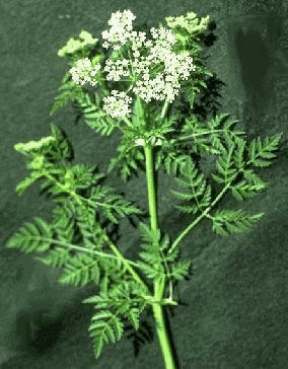
The comparison between poison hemlock and water hemlock is essential for understanding the dangers associated with these plants. Both belong to the family of Apiaceae, but the toxicity levels and effects on the human body differ significantly. In terms of deadliness, water hemlock (Cicuta maculata) is generally considered more toxic than poison hemlock (Conium maculatum).
Comparison of Toxicity Levels
The toxicity of both plants is influenced by the specific alkaloids they contain.
- Poison Hemlock: Contains coniine and its derivatives, leading to respiratory failure at high doses.
- Water Hemlock: Contains cicutoxin, which causes violent convulsions and can lead to death within a few hours of ingestion.
- Deadliness: Water hemlock's higher concentration of toxic compounds makes it significantly more lethal.
Symptoms of Poisoning
The symptoms of poisoning from these plants can vary, reflecting their different alkaloid compositions.
- Poison Hemlock: Symptoms include dizziness, nausea, and muscle weakness, eventually leading to respiratory failure.
- Water Hemlock: Symptoms are more severe and include seizures, violent spasms, and respiratory distress.
- Progression: Water hemlock can lead to death much faster due to its rapid onset of symptoms.
Historical Context of Fatalities
Both plants have a historical context related to fatal outcomes.
- Poison Hemlock: Notably used to execute Socrates in ancient Greece.
- Water Hemlock: Responsible for numerous deaths, especially among livestock, in the U.S.
- Historical Cases: The lethality of water hemlock has led to its reputation as one of the most toxic plants in North America.
Geographical Distribution
Understanding where these plants grow can help identify risks in certain areas.
- Poison Hemlock: Found predominantly across Europe and North America.
- Water Hemlock: Grows primarily in wetlands and areas with plenty of moisture, often in North America.
- Awareness: Increased awareness of their habitats is crucial for prevention.
Treatment and Antidotes
The approach to treatment for both types of poisoning differs due to their chemical compositions.
- Poison Hemlock: There is no specific antidote; supportive care is essential.
- Water Hemlock: Also lacks a specific antidote; treatment focuses on controlling seizures.
- Importance of Timely Care: Rapid medical intervention improves survival chances in both cases.
Questions from Our Readers
What is the deadliest plant to humans?
The deadliest plant to humans is often considered to be Aconitum, commonly known as wolf's bane or monkshood. This plant contains potent alkaloids that can cause fatal cardiac issues if ingested, making it extremely dangerous.
How does Aconitum affect the human body?
Aconitum affects the human body primarily by disrupting cardiac function and interfering with neurotransmitter signaling, which can lead to severe symptoms such as nausea, vomiting, and potentially cardiac arrest. The toxic effects are rapid and can be lethal without immediate medical intervention.
See also:
Are there other poisonous plants that pose a threat to humans?
Yes, there are several other poisonous plants that pose threats to humans, such as Ricinus communis (castor bean), which contains ricin, and Nerium oleander (oleander), which has toxic compounds that can be deadly if ingested. These plants also contain substances that can lead to severe health complications.
Can accidental poisoning from these plants be treated?
Accidental poisoning from these plants can be treated but requires immediate medical attention. Treatments may involve supportive care, activated charcoal to limit absorption, and specific antidotes if available, depending on the type of poison and the severity of symptoms.

If you want to read more articles like What is the Deadliest Plant to Humans? Discover the Most Lethal Flora on Earth, we recommend you check out our Plants category.
Leave a Reply
Related Articles