When Not to Use Epsom Salt on Plants? Essential Tips for Healthy Gardening
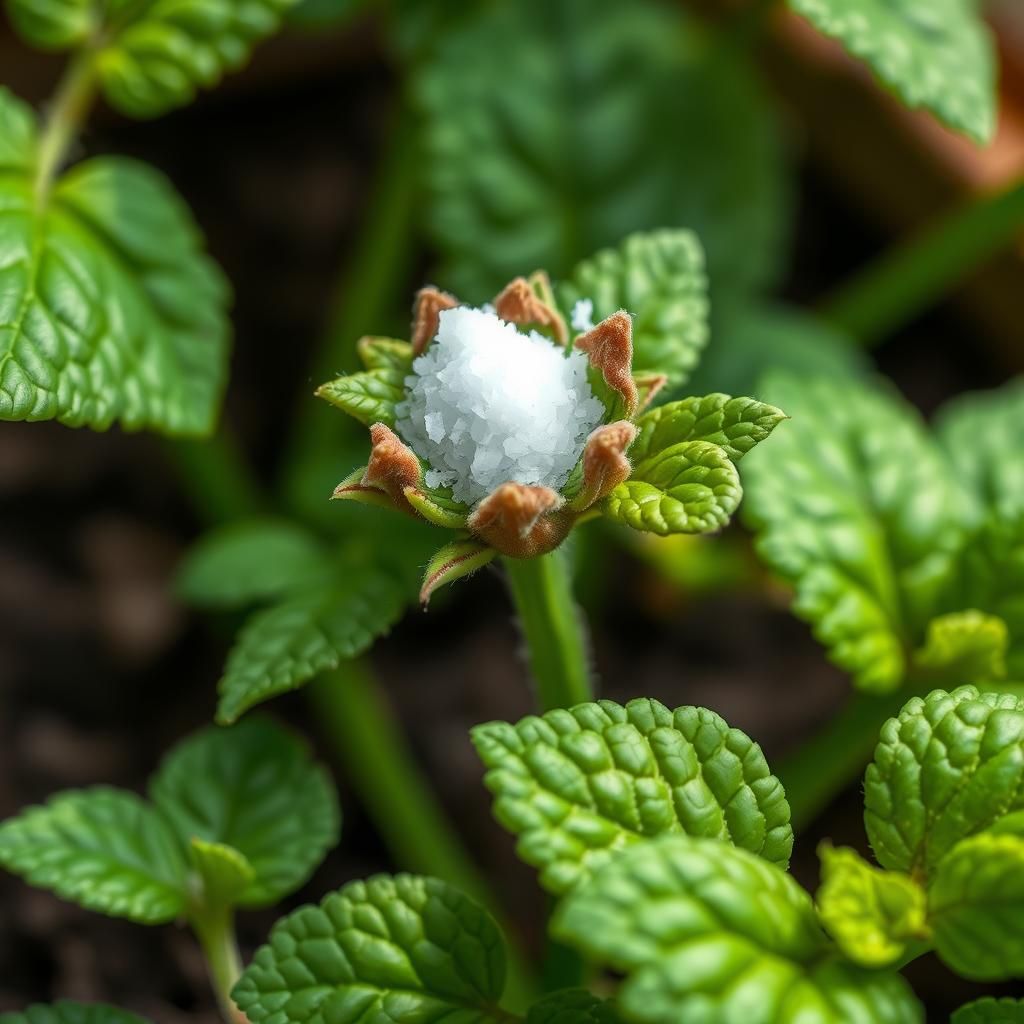
Epsom salt has gained popularity among gardeners as a natural remedy for enhancing plant growth and boosting nutrient absorption. However, it's essential to recognize that this simple compound, while beneficial in many situations, is not a one-size-fits-all solution. Misusing Epsom salt can lead to detrimental effects, such as nutrient imbalances and plant stress. In this article, we will explore crucial scenarios when Epsom salt should be avoided, providing essential tips to ensure your gardening practices remain healthy and effective. Understanding these guidelines will help you make informed decisions for thriving plants and a flourishing garden.
When Not to Use Epsom Salt on Plants
Epsom salt, primarily composed of magnesium sulfate, can be beneficial in certain situations, but there are instances where it is advisable to avoid its application on plants. For instance, if your soil is already rich in magnesium from other sources, adding Epsom salt can lead to imbalances that hinder nutrient absorption, ultimately harming the plant's health. Furthermore, certain plants, such as those that thrive in acidic soils, may react poorly to the increase in magnesium levels, which can disrupt their growth. Additionally, if used excessively, Epsom salt can cause leaf burn or other forms of plant stress that outweigh its intended benefits. Therefore, it's essential to evaluate the specific nutritional needs and conditions of your plants before introducing Epsom salt into their care regimen.
Understanding Soil Composition
Understanding the composition of your soil is crucial when considering whether to use Epsom salt. If laboratory testing shows that your soil is already high in magnesium, adding Epsom salt can create an excess that interferes with other vital nutrients, like calcium and potassium. Over-fertilization can lead to poor growth, nutrient lockout, and other physiological issues. This makes it essential to analyze soil characteristics and consult with agricultural experts before making any amendments.
Plant Species Sensitivity
Certain plant species can be particularly sensitive to changes in nutrient availability, making it risky to apply Epsom salt indiscriminately. For example, acid-loving plants like blueberries may not only tolerate magnesium well but can also react negatively to excessive quantities, resulting in inhibited growth or yellowing leaves, a condition known as chlorosis. Therefore, careful consideration of the plant types in your garden is essential before introducing Epsom salt.
Signs of Nutrient Imbalance
When using Epsom salt, it’s important to recognize the signs of nutrient imbalance in your plants. Symptoms such as leaf curling, discoloration, or stunted growth can indicate too much magnesium or insufficient calcium and potassium. If any of these signs appear, refraining from the use of Epsom salt is wise until the underlying issues are resolved. Addressing nutrient deficiencies or toxicities requires a careful diagnosis to ensure the overall health of your plants.
Potential for Overuse
The potential for overuse of Epsom salt is a serious consideration. Even though Epsom salt can provide beneficial magnesium, applying it more frequently than recommended can lead to soil saturation. This excess can inhibit the effectiveness of other fertilizers and potentially harm plant tissues. Therefore, following guidelines on application rates and schedules is vital to prevent over-application and maintain a balanced soil ecosystem.
Alternative Sources of Magnesium
There are many alternative sources of magnesium available that might be preferable based on your soil's needs. For instance, natural sources like dolomitic lime or compost can offer a gentler approach to enhancing magnesium levels without risking the side effects associated with Epsom salt. Additionally, using these alternatives may provide a more balanced nutrient profile essential for plant growth. Exploring these options can help you maintain optimal plant health while avoiding the pitfalls associated with excessive Epsom salt use.
| Considerations | Effects |
|---|---|
| Soil Composition | Potential excess of magnesium leading to nutrient lockout |
| Plant Species | Specific species may react negatively to added magnesium |
| Nutrient Imbalance | Symptoms like leaf curling and stunted growth |
| Overuse Risks | Soil saturation leading to plant stress |
| Alternatives | Other magnesium sources can be gentler and balanced |
What animals are repelled by Epsom salt?
:max_bytes(150000):strip_icc()/HowtokeepGroundhogoutofyouryard-5507cd53cdb344e78ce6859ac31b2957.jpg)
Epsom salt, chemically known as magnesium sulfate, is not only used for various health and gardening purposes but also acts as a natural repellent for certain pests and animals. When it comes to its effectiveness in repelling animals, some species are particularly sensitive to the components found in Epsom salt.
Several animals are known to be repelled by Epsom salt due to its taste and smell, which they find unpalatable. This characteristic makes it an excellent alternative to chemical repellents for homeowners and gardeners looking for environmentally friendly solutions. The following are some animals that tend to avoid areas treated with Epsom salt:
1. Cats: Cats generally dislike the texture and aversion to salty substances. Sprinkling Epsom salt in areas where cats frequent can discourage them from entering a garden or particular space.
2. Dogs: Similar to cats, dogs often avoid tastes that are salty or that they associate with unpleasant experiences. Using Epsom salt in a designated area may help keep dogs away.
See also:
3. Slugs and Snails: These moisture-loving creatures are sensitive to the dehydrating effects of Epsom salt. When they encounter it, they may avoid the area, thus helping to protect your plant life.
4. Deer: While deer may not directly relate to the taste or smell of Epsom salt, the presence of salt itself may deter them when used strategically around gardens.
5. Rabbits: These cute but problematic creatures are often kept at bay by the presence of salty substances. Sprinkling Epsom salt in your garden may reduce their visits.
Effects of Epsom Salt on Pets
Epsom salt has been found to affect pets such as cats and dogs significantly. The unpleasant taste can act as a deterrent, keeping them from engaging in undesirable behaviors such as digging up gardens or entering treated areas.
- Cats often associate salt with dangerous experiences.
- Dogs, being sensitive to taste, may stay away from areas treated with Epsom salt.
- Both animals may avoid areas that they have previously associated with negative experiences.
Use of Epsom Salt Against Insects
In addition to larger animals, Epsom salt can help deter smaller pests like slugs and snails. The transition from a moist environment to a drier one significantly affects their behavior, thereby keeping them away from plants that require protection.
- Slugs and snails are sensitive to the drying properties of magnesium sulfate.
- By creating a barrier with Epsom salt, gardeners can protect seedlings.
- This natural method avoids harmful chemicals while promoting plant health.
Impact on Deer and Rabbits
While deer and rabbits may not be exclusively repelled by Epsom salt, its application can still dissuade these animals from foraging in gardens. The approach of using salt around the perimeter can create an uncomfortable taste experience, prompting detours in their feeding habits.
- Deer are often wary of new, unfamiliar tastes in their environment.
- Rabbits may change paths to avoid areas associated with salt exposure.
- Using Epsom salt may reduce damage caused by foraging animals.
Environmental Benefits of Using Epsom Salt as a Repellent
Epsom salt serves as an eco-friendly alternative to chemical repellents. Its usage not only deters unwanted animals but also enriches the soil, providing additional benefits while helping to maintain a sustainable garden.
- It's a natural mineral that poses minimal harm to the environment.
- Epsom salt can contribute to nutrient supply for plants.
- Using it as a repellent reduces reliance on synthetic chemicals.
Practical Applications of Epsom Salt in Gardening
When utilizing Epsom salt in gardens, understanding effective application methods is crucial. Not only does it help deter pests, but it can also nourish the garden's plants, creating a dual-benefit scenario for gardeners.
- Sprinkling it around plants creates a barrier against pests.
- Diluting in water can provide magnesium-rich nourishment.
- Regular applications can maintain optimal soil health while repelling unwanted visitors.
When should I put Epsom salt on my plants?

When it comes to applying Epsom salt to your plants, timing can significantly affect the results. Epsom salt, which is a compound of magnesium sulfate, acts as a nutrient booster that can help plants with various growth processes. Here are some key considerations on when to apply it:
1. Before Planting: Adding Epsom salt to the soil before planting can aid in the establishment of strong root systems. It provides essential magnesium that supports chlorophyll production.
2. During the Growing Season: Midway through the growing season, plants can benefit from an additional dose of Epsom salt. This is particularly useful for plants that show signs of magnesium deficiency, such as yellowing leaves.
See also:
3. When Flowering: For flowering plants, the application of Epsom salt can promote more robust blooms and enhance flower color. Applying it when buds begin to form can be particularly beneficial.
4. Post-Harvest: After harvesting, Epsom salt can help replenish soil nutrients and prepare the ground for the next planting season. It supports nutrient recovery that plants utilize in subsequent growth phases.
5. Signs of Magnesium Deficiency: When you notice symptoms such as leaf curling, yellowing, or poor fruit set, it may be time to apply Epsom salt. Addressing these deficiencies promptly can help improve plant health and yield.
When to Apply Epsom Salt for Seedlings
Epsom salt can be particularly advantageous for seedlings. Applying it early helps ensure healthy development, particularly in terms of root growth and leaf formation.
- Use a diluted solution the first few weeks after germination.
- Monitor for leaf yellowing, which may indicate a need for magnesium.
- Apply every 4-6 weeks during seedling growth.
Frequency of Epsom Salt Application
The frequency with which you apply Epsom salt will depend on the specific needs of your plants and the existing nutrient levels in your soil.
- For most plants, a monthly application is sufficient.
- Increase frequency for heavy feeders, such as tomatoes and peppers.
- Always follow the recommended dosage to prevent over-fertilization.
Signs That Your Plants Need Epsom Salt
Observing signs of nutrient deficiency in your plants is critical for timely Epsom salt application. Recognizing these signs helps you maintain optimal plant health.
- Yellowing leaves, especially between the veins.
- Stunted growth or reduced flowering.
- Brown leaf edges or curling leaves.
Mixing Epsom Salt with Other Fertilizers
Combining Epsom salt with other fertilizers can enhance the efficacy of nutrient delivery to your plants. However, doing so requires caution to avoid nutrient imbalances.
- Use Epsom salt in conjunction with balanced fertilizers.
- Avoid mixing with high-phosphorus fertilizers unless recommended.
- Test soil pH regularly to maintain optimal nutrient uptake.
Long-term Effects of Epsom Salt on Soil Health
Using Epsom salt can benefit not just the plants but also improve overall soil health over the long term. Magnesium helps to maintain soil structure and nutrient availability.
- Improves soil drainage and aeration.
- Supports microbial activity beneficial for plant growth.
- Helps maintain optimal pH balance in the soil.
Questions from Our Readers
When should Epsom salt not be used on plants?
Using Epsom salt on plants should be avoided when the soil already has sufficient magnesium and sulfate levels. If a soil test indicates these nutrients are abundant, applying Epsom salt can lead to nutrient imbalances and potentially harm the plants.
Is Epsom salt harmful to all plant species?
While Epsom salt is generally safe for many plants, certain species may be sensitive to its application. Plants that thrive in alkaline soils or those that are heavy feeders can suffer from excessive magnesium, leading to nutrient deficiencies and poor growth.
Can Epsom salt be detrimental during flowering or fruiting stages?
Excessive use of Epsom salt during the flowering or fruiting stages can be detrimental. Too much magnesium can inhibit the uptake of other essential nutrients, like calcium and potassium, which are crucial for fruit development and overall plant health.
Should Epsom salt be avoided in hydroponic systems?
In hydroponic systems, the use of Epsom salt should be approached with caution. It can alter the pH balance of the nutrient solution and may contribute to unwanted nutrient build-ups, disrupting the delicate nutrient ratios needed for optimal plant growth.
See also:
If you want to read more articles like When Not to Use Epsom Salt on Plants? Essential Tips for Healthy Gardening, we recommend you check out our Plants category.
Leave a Reply
Related Articles