Should I Water Lilies Every Day? Essential Tips for Healthy Pond Plants

Water lilies are a stunning addition to any pond, providing beauty and tranquility while supporting local wildlife. However, maintaining their health can be a bit tricky, especially when it comes to watering. Many pond owners wonder if they should water their lilies every day to ensure they thrive. In this article, we will explore the key factors influencing the care of water lilies, including proper watering practices, environmental conditions, and essential tips for promoting their growth. By understanding the needs of these aquatic plants, you can create a vibrant and healthy pond ecosystem that flourishes throughout the seasons.
Should I Water Lilies Every Day?
Watering lilies every day is not recommended, as these aquatic plants prefer a stable environment with consistent moisture levels rather than daily watering. Water lilies thrive in water gardens, ponds, and other aquatic settings, where they can draw their necessary moisture from the surrounding water. When planted adequately, look for signs of overwatering or underwatering, as these can lead to poor health and blooming. Instead of daily watering, ensure that your lilies are adequately submerged and check the water level periodically, especially during hot weather when evaporation can occur.
Understanding the Water Needs of Lilies
Water lilies require a specific balance between moisture and sunlight. Ideally, they should be placed in at least 12 to 24 inches of water, depending on the species. This depth allows them to maintain their roots underwater while reaching for sunlight. If the water level drops significantly due to evaporation or consumption by other plants and animals, it may lead to stress and stunt their growth, making it crucial to check the water depth regularly.
Signs of Overwatering in Lilies
Overwatering lilies usually manifests as yellowing leaves and wilting. This occurs if the roots are sitting in stagnant water without enough oxygen. In this case, the plant is more susceptible to diseases like root rot. It's essential to ensure that the water is fresh and has proper circulation while preventing it from sitting still. Checking for any foul smells in the water can also indicate overwatering.
Environmental Factors Affecting Watering
The environment plays a significant role in how often one should water lilies. Factors like temperature, humidity, and sunlight exposure can affect moisture levels. In hotter climates, water may evaporate more quickly, potentially requiring more attention to water levels. Conversely, in cooler, humid conditions, the lilies may naturally receive ample moisture without needing additional watering.
Water Quality and Lilies
The quality of water is essential for maintaining healthy lilies. Tap water with chemicals, such as chlorine, can harm the plant. Rainwater or pond water is more suitable as they maintain a more natural pH balance and contain beneficial minerals. When filling water features or planting, it is advisable to use high-quality non-chlorinated water whenever possible for optimal growth.
Optimal Time for Watering Lilies
If you find the need to water your lilies, it is best done during the early morning hours or late in the evening. This timing minimizes evaporation and allows the plant to absorb moisture before the heat of the day sets in. Observing your aquatic plants during these times can help gauge when they may need additional water due to environmental changes, ensuring they stay healthy and vibrant.
| Factors | Impact on Watering |
|---|---|
| Temperature | Higher temperatures increase evaporation, requiring more frequent monitoring. |
| Humidity | Higher humidity can reduce the need to add water. |
| Sunlight | Direct sunlight can cause faster evaporation, affecting moisture levels. |
| Water Quality | Poor quality can negatively impact lily health. |
| Time of Day | Early morning or late evening is optimal for watering activities. |
How frequently should you water lilies?
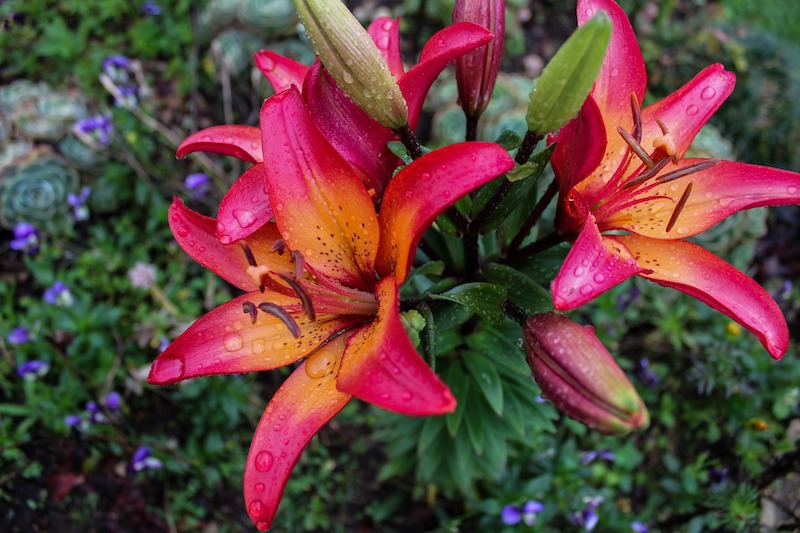
To ensure the optimal growth and health of water lilies, the frequency of watering depends on a variety of factors including climate, season, and the specific needs of the plant. In general, water lilies should be planted in a water garden or pond where they can thrive with adequate moisture levels. Here are some guidelines on how frequently you should water them:
- During the growing season (spring and summer), it is essential to maintain a consistent water level. Water lilies typically need at least 6 inches of water above their roots, and the soil should be kept consistently moist but not waterlogged.
- In hot weather, you may need to check the water levels daily, as evaporation can occur quickly. If the water level drops below the recommended height, you should top it off promptly.
- In cooler months (fall and winter), water lilies will enter a dormant stage. At this time, watering can be reduced since the plants require less moisture.
Here are some important factors to consider regarding watering water lilies:
See also:
Importance of Water Level
Maintaining the correct water level is crucial for the well-being of water lilies. A consistent depth prevents the roots from drying out and helps in the absorption of nutrients. If the water level decreases significantly due to evaporation or water usage, it is imperative to refill it immediately to maintain the plant's health.
- Water lilies thrive in water that is consistently 6-12 inches deep.
- Check water levels regularly, especially on hot days.
- Avoid allowing the soil to dry out completely.
Seasonal Variations
The frequency of watering can change with the seasons. In the spring and summer when water lilies are actively growing, they will require more frequent watering compared to the fall and winter months when their growth slows down. This seasonal variation must be monitored closely to ensure optimal growth.
- In spring and summer, check water regularly and top up as necessary.
- In autumn, reduce watering frequency as plants go dormant.
- In winter, nearly cease watering to prevent root rot.
Climate Considerations
The climate of your region will significantly impact how often you need to water your water lilies. Hot, dry climates will lead to faster evaporation rates, requiring more frequent watering. Conversely, in humid climates, watering may be required less often.
- In hot climates, monitor water levels daily.
- In humid regions, water less frequently as evaporation is slower.
- Adjust your watering routine based on local weather conditions.
Signs of Underwatering
It is crucial to recognize the symptoms of underwatering, as they can provide valuable insights into your watering routine. Wilting leaves, yellowing petals, and stunted growth are all signs that your water lilies may need more water.
- Yellow leaves are often an indication of insufficient moisture.
- Wilting or drooping leaves can suggest a lack of water.
- Monitor the growth rate; stunted growth typically signals a problem.
Water Quality
The quality of water is also a vital aspect of caring for water lilies. Clean, clear water promotes healthier growth. Change or treat the water if it becomes murky, as contaminants can affect the plant's health and moisture levels.
- Use dechlorinated water if you are filling from a tap.
- Avoid water that has high levels of algae or contaminants.
- Regularly change a portion of the water to maintain clarity.
How often do I need to water my lily?

To determine how often you need to water your lily, it generally depends on various factors including the type of lily, the environment, and the season. On average, it is advisable to water your lily once a week; however, the following conditions should be considered for optimal growth:
Factors Influencing Watering Frequency
Watering frequency can vary based on several factors:
- Climate: In warmer climates, lilies may require more frequent watering compared to cooler regions.
- Soil Type: Sandy soils drain quickly and may necessitate more frequent watering while clay soils retain moisture longer.
- Plant Stage: Young lilies may need more water as they establish roots, while mature plants can tolerate drier conditions.
Signs Your Lily Needs Water
Understanding the signs that your lily needs water is crucial:
- Wilting Leaves: If the leaves start to droop or curl, it's a sign that your lily might need watering.
- Dry Soil: Check if the top inch of soil is dry; if it is, it's time to water.
- Fading Color: If the leaves lose their vibrant color, it can indicate insufficient moisture.
Watering Techniques for Lilies
Applying the correct watering techniques ensures healthy growth:
- Deep Watering: Water deeply to encourage roots to grow down into the soil.
- Avoid Overhead Watering: Water at the base of the plant to prevent fungal diseases.
- Use Mulch: Adding mulch can help retain moisture in the soil.
Adjusting Watering with Seasons
Different seasons will require adjustments in your watering routine:
See also:
- Spring: As lilies begin to grow, ensure they receive regular moisture.
- Summer: Increase watering frequency, especially during heatwaves.
- Fall and Winter: Reduce watering as the plant's growth slows down.
Storing Water for Your Lilies
Maximizing the efficiency of water availability is essential:
- Rainwater Harvesting: Collect rainwater to efficiently water your lilies without using tap water.
- Watering Cans: Use watering cans to ensure focused watering.
- Drip Irrigation: Consider using a drip irrigation system to provide consistent moisture.
Can lilies be overwatered?

Yes, lilies can indeed be overwatered. Overwatering occurs when the soil remains too moist for an extended period, which can lead to several problems for the plant. Lilies, like many other plants, prefer well-draining soil that allows excess water to escape. When they are overwatered, their roots may become saturated, leading to root rot or other diseases.
The symptoms of overwatering in lilies include yellowing leaves, a lack of blooming, and a generally unhealthy appearance. To ensure that your lilies remain healthy, it is crucial to monitor their watering needs based on environmental factors like soil type, temperature, and humidity.
Signs of Overwatered Lilies
One of the most important aspects of plant care is recognizing the signs that indicate overwatering. For lilies, certain symptoms can indicate that they are receiving too much water. These signs include:
- Yellowing Leaves: If the leaves of the lilies begin to yellow, this can be a direct result of root stress from excess moisture.
- Wilting: Overwatered lilies may exhibit wilting despite wet soil, indicating that the roots cannot take up water effectively.
- Root Rot: This is a severe condition caused by fungal infections that thrive in overly moist conditions, leading to the decaying of the root system.
Proper Watering Techniques for Lilies
To prevent overwatering, it's essential to adopt effective watering techniques. Here’s how to ensure your lilies get the right amount of water:
- Check Soil Moisture: Use your fingers to check the soil's moisture level about an inch below the surface; if it feels dry, it's time to water.
- Water Less Frequently: Instead of a daily routine, water your lilies weekly or bi-weekly, depending on the climate and soil type.
- Use Well-Draining Soil: Ensure that the potting mix or garden soil allows excess water to drain away, preventing water accumulation.
Impact of Soil Type on Watering
The type of soil in which lilies are planted plays a significant role in their watering requirements. Different soil types have varying drainage capabilities:
- Sandy Soil: This type drains quickly, allowing for less frequent watering, which is beneficial for lilies.
- Clay Soil: Holds water well, so lilies planted in clay need careful monitoring to prevent overwatering.
- Loamy Soil: Offers a balance of drainage and moisture retention, making it ideal for growing healthy lilies.
Consequences of Overwatering
Overwatering can have several negative effects on lilies, both short-term and long-term. These consequences include:
- Stunted Growth: Excess water can lead to a lack of essential nutrients, causing the plants to grow poorly.
- Decreased Flowering: Overwatered lilies are less likely to bloom, as the plant's energy is diverted to fighting off root diseases.
- Increased Pest Problems: Stressed plants may attract more pests, as they are less able to defend themselves.
Tips for Reviving Overwatered Lilies
If you suspect your lilies have been overwatered, there are steps you can take to help revive them:
- Allow Soil to Dry: Stop watering and allow the soil to dry out completely to help the roots recover.
- Improve Drainage: If the lilies are in pots, ensure there are drainage holes, and consider repotting in fresh, dry soil.
- Monitor Light Conditions: Ensure the lilies are receiving adequate light, which can help speed up recovery.
Questions from Our Readers
Should I water lilies every day?
It is not necessary to water lilies every day. Lilies typically thrive in moist soil, but overwatering can lead to root rot. Instead, water them deeply when the top inch of the soil feels dry.
What is the best time to water lilies?
The best time to water lilies is in the morning. This allows the soil to absorb moisture throughout the day and minimizes evaporation. Watering in the morning also helps prevent fungal diseases that thrive in damp conditions.
See also:
How much water do lilies need?
Lilies need enough water to keep their soil consistently moist but not soggy. Generally, about 1 inch of water per week is sufficient, but this may vary depending on the climate and soil type.
Can I use tap water for watering lilies?
Yes, you can use tap water for watering lilies, but it is advisable to let the water sit for a few hours to allow chlorine to dissipate. If possible, using rainwater is a better option, as it is more natural and nutrient-rich for your plants.

If you want to read more articles like Should I Water Lilies Every Day? Essential Tips for Healthy Pond Plants, we recommend you check out our Plants category.
Leave a Reply
Related Articles