Is Dawn Dish Soap Good for Plants? Discover the Benefits and Risks

The use of household products in gardening is a topic of growing interest among plant enthusiasts. One common question arises: is Dawn Dish Soap good for plants? This article explores the potential benefits and risks associated with using this popular dish soap in your gardening practices. While some claim that it can help manage pests and improve plant health, others warn of possible adverse effects on delicate plant life. By examining the properties of Dawn Dish Soap and its impact on various plant types, we aim to provide a comprehensive understanding of its role in gardening.
Is Dawn Dish Soap Safe for Plants?
Using Dawn dish soap on plants can be beneficial when done correctly, primarily due to its ability to act as an effective insecticide and cleaning agent for leaves. When diluted properly, it can help remove pests like aphids and spider mites without harming the plants themselves. The soap works by breaking down the exoskeleton of these insects, leading to their demise. However, it is essential to avoid using excessive amounts and to test it on a small area of the plant first, as high concentrations can potentially cause leaf burn or damage. Always ensure that any soap used is free of additives, fragrances, or bleach, as these can be harmful to plant health.
How to Use Dawn Dish Soap for Pest Control
To effectively use Dawn dish soap for pest control, mix approximately one to two tablespoons of the soap with a gallon of water. This dilution creates a safe solution that can be sprayed directly onto infested plants. It is recommended to apply this solution in the evening to avoid direct sunlight, which can lead to rapid evaporation and potential plant stress. Ensure thorough coverage of the affected areas, and repeat the application every few days if necessary until the pests are eliminated.
Benefits of Using Dawn on Plants
One major benefit of using Dawn dish soap on plants is its capacity to help control common garden pests naturally. The soap not only helps eliminate insects but also acts as a cleaning agent, removing dust and debris from leaves, which can improve photosynthesis. Additionally, it is a cost-effective alternative to commercial insecticides and is less harmful to the environment when used responsibly. Its surfactant properties also aid in helping the solution adhere better to plant surfaces.
Potential Risks of Using Dawn Dish Soap
Despite its benefits, there are potential risks associated with using Dawn dish soap on plants, primarily if used inappropriately. High concentrations can lead to toxic buildup in the soil or plant tissues, causing leaf burn, wilting, or even death of the plants. Some plant species are more sensitive to soaps than others, so it is crucial to conduct a patch test before widespread application. Moreover, overuse may disrupt the natural ecosystem by killing beneficial insects along with pests.
Alternative Soaps for Plant Care
While Dawn dish soap can be effective, there are alternative soaps available that are also safe for plant care. Products specifically labeled as insecticidal soaps are formulated to target pests without harming plants. These alternatives typically have fewer additives and are designed to decrease the likelihood of damage. It is advisable to choose soaps derived from natural sources to maintain soil health and minimize environmental impact.
How to Test for Sensitivity in Plants
To test for a plant's sensitivity to Dawn dish soap, apply the diluted solution to a small, inconspicuous area of the plant and wait 24 hours to observe any adverse reactions. Look for signs of distress such as discoloration, curling leaves, or wilting. If no negative effects are noted, it is generally safe to proceed with treatment. However, if any issues arise, discontinue use immediately and consider using a more gentle alternative or consulting a gardening expert.
| Aspect | Dawn Dish Soap | Insecticidal Soap |
|---|---|---|
| Cost | Low | Moderate |
| Eco-Friendliness | Variable | High |
| Effectiveness | Good | Very Good |
| Risk of Damage | Moderate | Low |
| Special Ingredients | No | Yes |
Is it okay to water plants with soapy water?

Watering plants with soapy water can be a controversial topic among gardeners. While some believe that it can provide benefits, others caution against its use. Here are the details regarding the practice.
Benefits of Using Soapy Water
Using soapy water can provide certain advantages for plants. The soap can help in the following ways:
- Pest Control: Soapy water can act as a natural pesticide, effectively suffocating pests such as aphids, mites, and whiteflies.
- Soil Amendment: Soap can help improve soil's ability to retain water, making it more beneficial for plants.
- Leaf Cleaning: Cleaning the leaves with soapy water can remove dust and residues, allowing better light absorption for photosynthesis.
Types of Soap Suitable for Plants
Not all soaps are created equal, and selecting the right one is crucial. The following types are typically considered safe for plants:
- Castile Soap: Made from vegetable oils, this soap is biodegradable and is often safe for use on plants.
- Liquid Dish Soap: Mild versions without additives are typically safe, but should be used cautiously.
- Insecticidal Soap: Specifically formulated for pest control, these soaps are designed to be safe for plants when used as directed.
How to Prepare Soapy Water for Plants
Preparing a safe soapy water solution requires attention to detail. Follow these steps for the best results:
- Choose the Soap Wisely: Use mild, biodegradable soaps without added fragrances or degreasers.
- Mix Properly: Combine one to two tablespoons of soap with a gallon of water to dilute it effectively.
- Test on a Small Area: Before applying it broadly, test on a small part of the plant to ensure there’s no adverse reaction.
Potential Risks of Soapy Water
While soapy water can be beneficial, there are potential risks involved in its use:
- Plant Sensitivity: Some plants may be sensitive to soap and can suffer from leaf burn or damage.
- Soil Disruption: Excessive soap can disrupt beneficial soil organisms, affecting long-term health.
- Allergy Reactions: Some individuals may have allergic reactions when handling soapy water, so precautions are advisable.
Alternatives to Soapy Water for Plant Care
If concerns arise regarding the use of soapy water, consider these alternatives for plant care:
- Neem Oil: A natural pest repellent that is safe for most plants and effective against various pests.
- Water Alone: Regularly watering and caring for plants can often suffice without additional treatments.
- Homemade Organic Sprays: Utilizing items like garlic or pepper sprays can deter pests without the use of soap.
What plants are sensitive to dish soap?

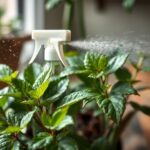
Dish soap is commonly used in gardening as a pesticide or insecticidal soap, but not all plants tolerate it well. Some plants can exhibit signs of sensitivity that range from mild to severe depending on the concentration of the soap and the specific type of plant. Here are some plants that are known to be sensitive to dish soap.
Common Sensitive Plants
Several common garden plants show sensitivity to dish soap. These include:
- Ferns: Many ferns have delicate fronds that can be damaged by the surfactants in dish soap.
- Succulents: Succulents, particularly those with waxy coatings, can suffer from leaf burn when exposed to dish soap.
- Orchids: Orchids are particularly sensitive to chemicals, and dish soap can lead to root rot and leaf damage.
Symptoms of Sensitivity
Plants sensitive to dish soap may exhibit a range of symptoms, including:
- Leaf Burn: Yellowing or browning at the tip or edges of the leaves is a common sign of soap sensitivity.
- Wilting: Affected plants may appear droopy or wilted due to cellular damage.
- Stunted Growth: Continuous exposure can lead to slowed growth or plant decline.
Factors Influencing Sensitivity
Several factors can affect how sensitive a plant is to dish soap, including:
- Concentration: Higher concentrations of dish soap increase the likelihood of adverse effects.
- Plant Variety: Some plant varieties have more protective oils or coatings, making them less sensitive.
- Environmental Conditions: High temperatures or drought stress can exacerbate negative reactions.
Alternatives to Dish Soap
If you are concerned about using dish soap, consider these alternatives:
- Insecticidal Soap: Formulated specifically for pests, these soaps are usually more plant-safe.
- Neem Oil: A natural pesticide that is generally safer for sensitive plants.
- Horticultural Oils: These are designed for use on plants without causing damage.
Best Practices for Use
When using dish soap in the garden, follow these best practices:
- Dilution: Always dilute dish soap with water to minimize potential damage.
- Patch Test: Test on a small inconspicuous section of the plant before widespread use.
- Timing: Apply during cooler parts of the day to reduce stress on the plant.
How do you make insecticidal soap with Dawn?
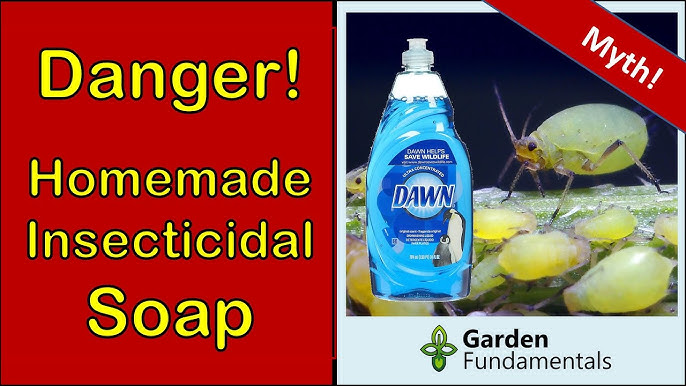
To make insecticidal soap using Dawn dish soap, you will need a few simple ingredients and materials. This homemade solution is effective against soft-bodied insects such as aphids, spider mites, and mealybugs. Here's a detailed guide on how to prepare it.
Ingredients and Materials
You will need:
- Dawn dish soap: Choose the original blue formula for best results.
- Water: Preferably distilled water to avoid contaminants.
- Spray bottle: For easy application.
Step-by-Step Preparation
1. Mix soap and water: In a clean spray bottle, combine 1 to 2 tablespoons of Dawn dish soap with 1 quart (4 cups) of water.
2. Shake well: Cap the bottle and shake it gently to mix the solution thoroughly. Ensure that the soap is well-dispersed in the water.
3. Test the solution: Before using it on all plants, spray a small test area to check for any adverse reactions.
How to Apply Insecticidal Soap
When applying your homemade insecticidal soap, follow these guidelines:
See also:
1. Spray directly on pests: Make sure to coat the plants thoroughly, especially the undersides of leaves where insects often hide.
2. Avoid sunlight: Apply the soap solution during the early morning or late evening to prevent leaf burn.
3. Reapply if necessary: Check the plants after a few days. Reapply every 5 to 7 days, or until you see improvement.
Safety Precautions
While insecticidal soap is generally safe, consider these precautions:
1. Protect beneficial insects: Avoid spraying when bees or other beneficial insects are active.
2. Read labels: Ensure that the soap does not contain any additives or fragrances that could be harmful to plants.
3. Wear gloves: If you have sensitive skin, wear gloves when mixing and applying the soap.
Storage and Shelf Life
If you have leftover insecticidal soap, here’s how to store it:
1. Keep in a cool place: Store the spray bottle away from direct sunlight and extreme temperatures.
2. Label the bottle: Clearly mark the contents and the date of preparation.
3. Use within a month: For best effectiveness, use the solution within 30 days.
Alternative Uses of Dawn Soap
Dawn dish soap can also be used for other household purposes:
1. Grease cleaner: Excellent for cutting through tough grease on pots and pans.
2. Laundry pre-treatment: Use it to remove stains before washing.
3. Pet shampoo: Can help remove fleas from pets when diluted appropriately.
By following these steps, you can create an effective insecticidal soap using Dawn dish soap and manage pests in your garden naturally.
Questions from Our Readers
Is Dawn dish soap safe for plants?
Dawn dish soap can be safe for plants when used in small amounts and properly diluted. It can help control pests like aphids and spider mites without causing harm to the plants themselves. However, using too much soap can lead to leaf burn or interfere with the plant's ability to absorb water.
How should I use Dawn dish soap on plants?
To use Dawn dish soap effectively, mix a few drops with water in a spray bottle and apply it directly on the affected areas of the plants. It's essential to test a small part of the plant first to ensure there are no adverse reactions. Always rinse the plant with clean water after a few hours to prevent any soap residue buildup.
Can Dawn dish soap damage my garden?
While Dawn dish soap can be beneficial in controlling pests, overuse or improper dilution can potentially damage your garden. It's crucial to follow recommended guidelines and not exceed the advised concentration to avoid harming beneficial insects or negatively affecting soil health.
How often can I use Dawn dish soap on my plants?
It's generally recommended to use Dawn dish soap as a pest control remedy no more than once every couple of weeks. Frequent application can stress the plants, so always monitor their health and adjust your usage accordingly based on their response to the treatment.
See also:

If you want to read more articles like Is Dawn Dish Soap Good for Plants? Discover the Benefits and Risks, we recommend you check out our Plants category.
Leave a Reply
Related Articles